Batch Cooking Chicken
Published How we research
Boneless, skinless thighs are the most forgiving cut for batch cooking thanks to their fat content, while breasts benefit from brining to survive reheating. Roasting on a sheet pan handles big batches easily, poaching keeps chicken tender for wraps, and a pressure cooker gives fall-apart shredded chicken for tacos. Cook plainly to 165 degrees, then split the batch into different flavor directions like lemon-herb, barbecue, or curry so it doesn't taste repetitive. Cool before sealing to avoid slimy condensation, store up to four days, and reheat gently with a splash of broth or a damp paper towel. Chicken is the backbone of most meal prep for good reason. It is affordable, high in protein, endlessly adaptable, and it takes on whatever flavor you throw at it. But batch-cooked chicken also has a bad reputation for turning dry and rubbery by day three, which is usually a cooking problem rather than a chicken problem. Get the method right and you can cook a big batch on Sunday that stays juicy and interesting through Thursday.
Start with the right cut
Start with the right cut. Boneless, skinless chicken thighs are the most forgiving choice for batch cooking, because their higher fat content keeps them moist even after reheating. Breasts are leaner and popular for their protein-to-calorie ratio, but they punish overcooking, drying out fast once they pass the finish line. If you love breasts, brining them in salted water for even thirty minutes before cooking makes a noticeable difference in how well they survive the week.
Method matters as much as the cut
Method matters as much as the cut. For big batches, roasting on a sheet pan is hard to beat, since one oven load can cook a large tray of thighs at around 400 degrees while you do other prep. Poaching keeps chicken exceptionally tender and shreddable for wraps and salads. A pressure cooker turns out fall-apart shredded chicken in minutes and is ideal for tacos and bowls. Whichever you choose, cook to an internal temperature of 165 degrees and pull it promptly, because carryover heat and reheating will only push it further.
The secret to not getting bored: cook plain, flavor later
The secret to not getting bored is to cook the chicken relatively plainly and then split it into different flavor directions. Season the whole batch simply with salt, pepper, and a little oil, then divide it and finish portions with different sauces and spices through the week. One third becomes lemon and herb for salads, one third gets tossed in a smoky barbecue or taco spice, and one third goes into a curry or stir-fry. The base is identical, but each meal tastes like its own dish.
Storage decides whether your effort pays off
Storage decides whether your effort pays off. Let the chicken cool before sealing it, because trapping steam in a warm container creates condensation that turns the surface slimy and speeds spoilage. Store cooked chicken in the fridge for up to about four days, and freeze anything you will not eat in that window. Slicing or shredding before storing helps it cool faster and makes assembling meals quicker, though leaving pieces whole retains a touch more moisture if you have the time.
Reheat gently to protect all that work
Reheat gently to protect all that work. A microwave on medium power with a damp paper towel over the top, or a quick warm-up in a covered pan with a splash of broth, keeps the meat from seizing up and drying out. Because chicken is safe to eat cold once fully cooked, do not overlook cold applications either, since shredded chicken over a salad or folded into a wrap needs no reheating at all. Cook smart once, and a single tray can carry most of your week.
Frequently asked questions
What is the best chicken cut for batch cooking? Boneless, skinless chicken thighs, since their higher fat content keeps them moist even after reheating, making them more forgiving than leaner breasts.
How do I keep batch-cooked chicken from getting boring? Cook the whole batch plainly with just salt, pepper, and oil, then split it into different flavor directions through the week, such as lemon-herb, barbecue, or curry.
How long does cooked chicken last in the fridge? Up to about four days when cooled before sealing and stored properly; freeze anything you won't eat within that window.
What internal temperature should batch-cooked chicken reach? 165 degrees Fahrenheit, pulled promptly once reached, since carryover heat and later reheating will continue cooking it further.
Products from this article
The highest-scoring picks from the buying guides mentioned above. Scores are our editorial assessment, not customer ratings.
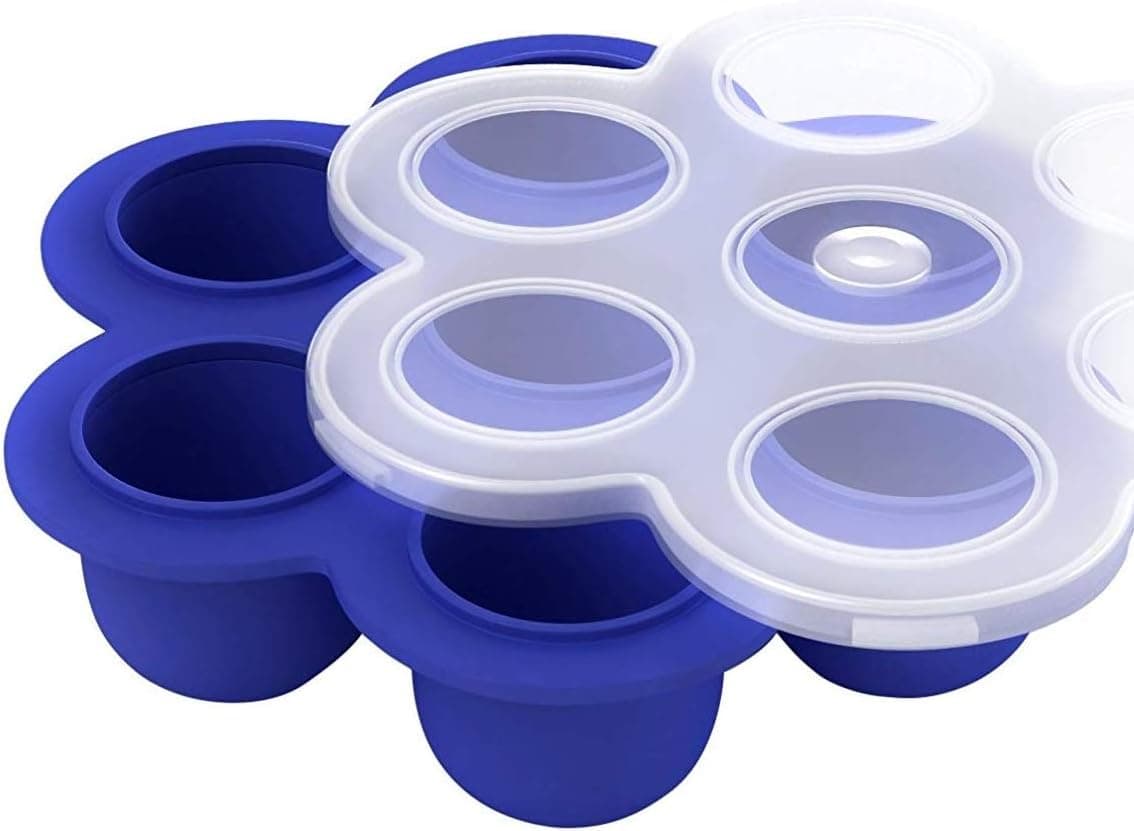
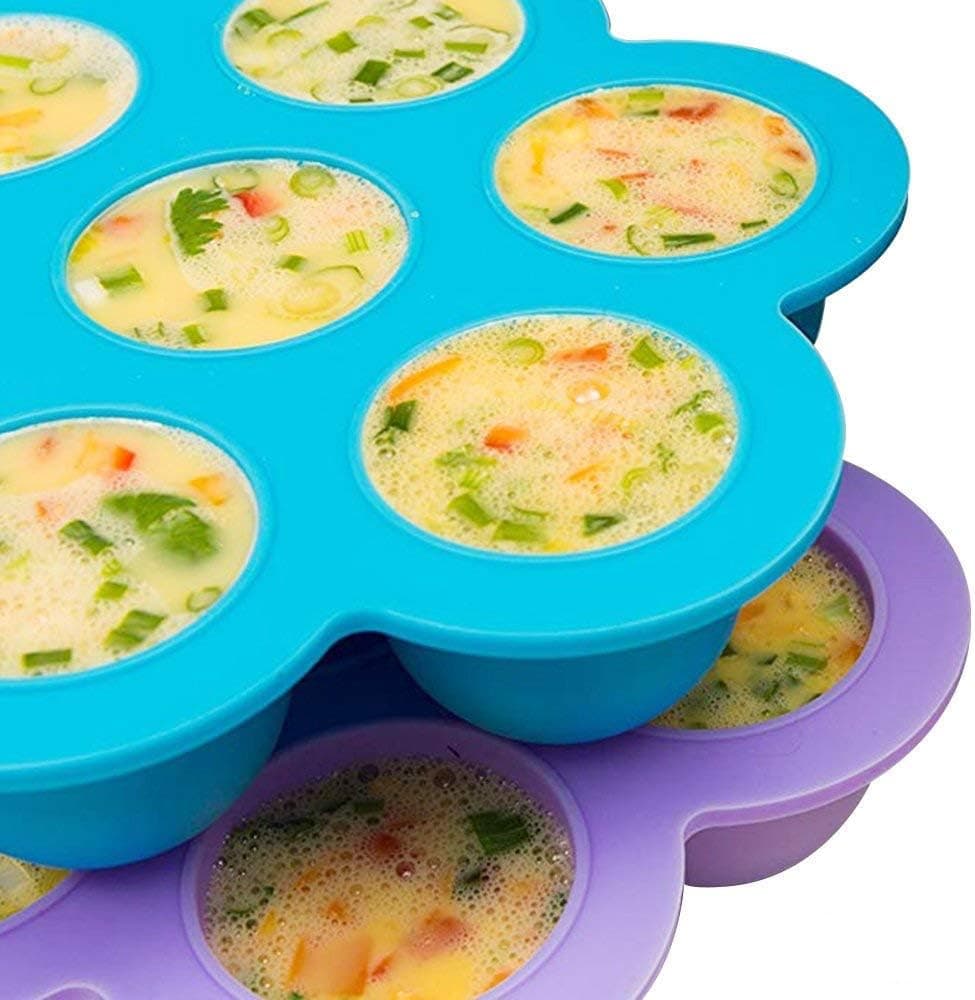
+ Four molds allow bigger egg bite batches in one session
From our guide: Best Egg Bite Molds
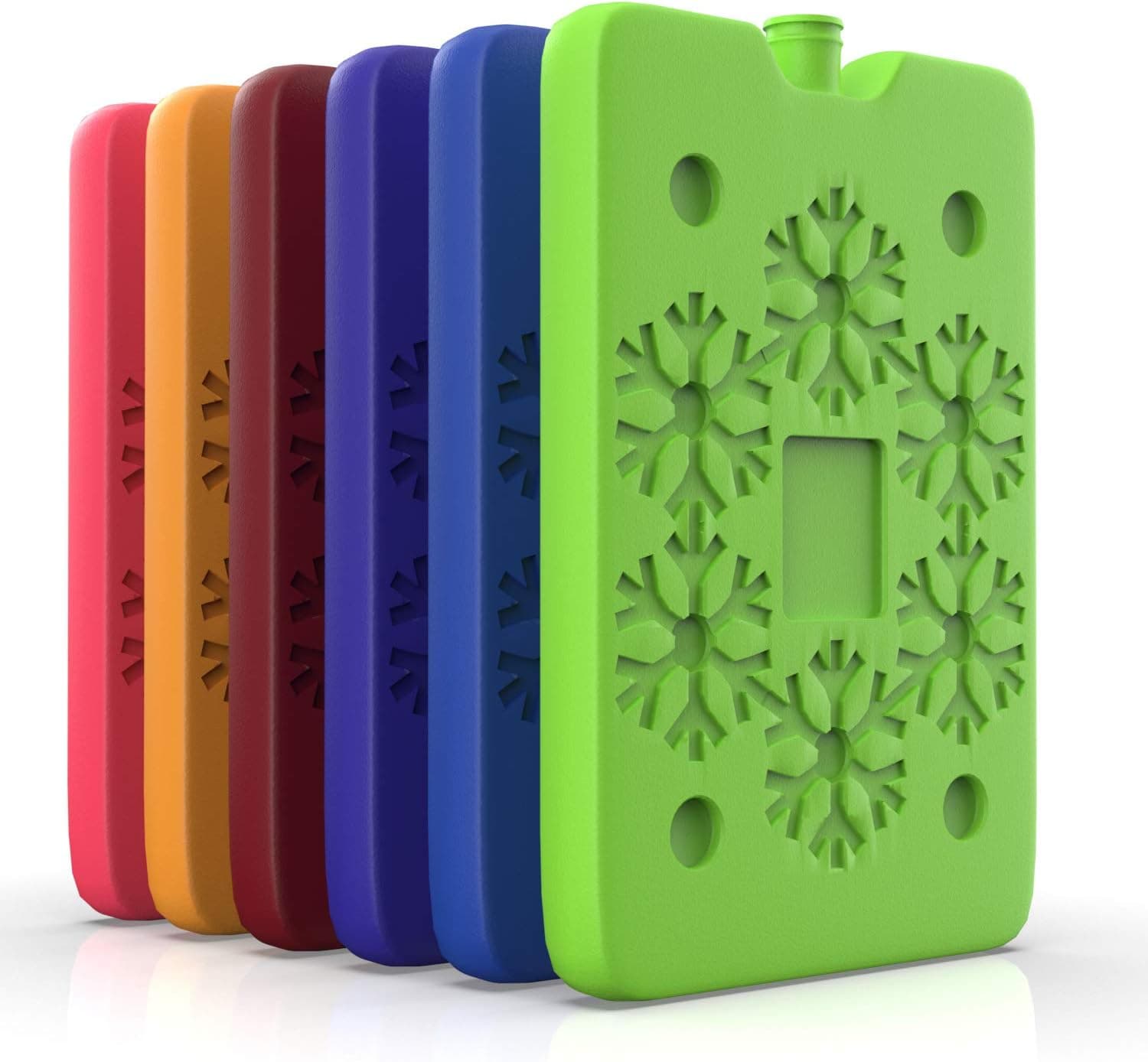
+ Compact size fits small lunch boxes and bento bags
From our guide: Best Reusable Ice Packs for Meal Prep
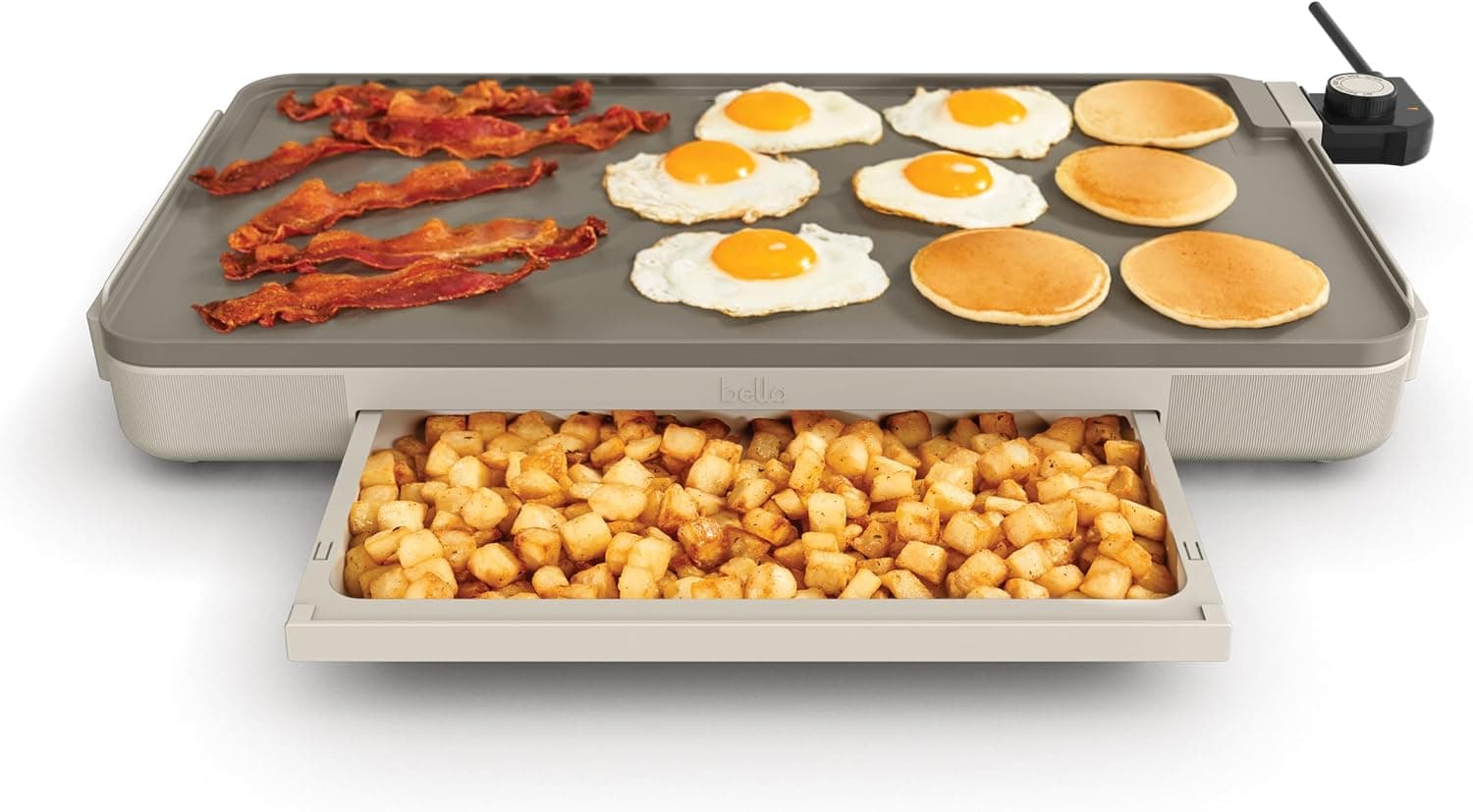
+ Warming tray keeps finished pancakes hot while you cook more
From our guide: Best Electric Griddles for Batch Meal Prep in 2026
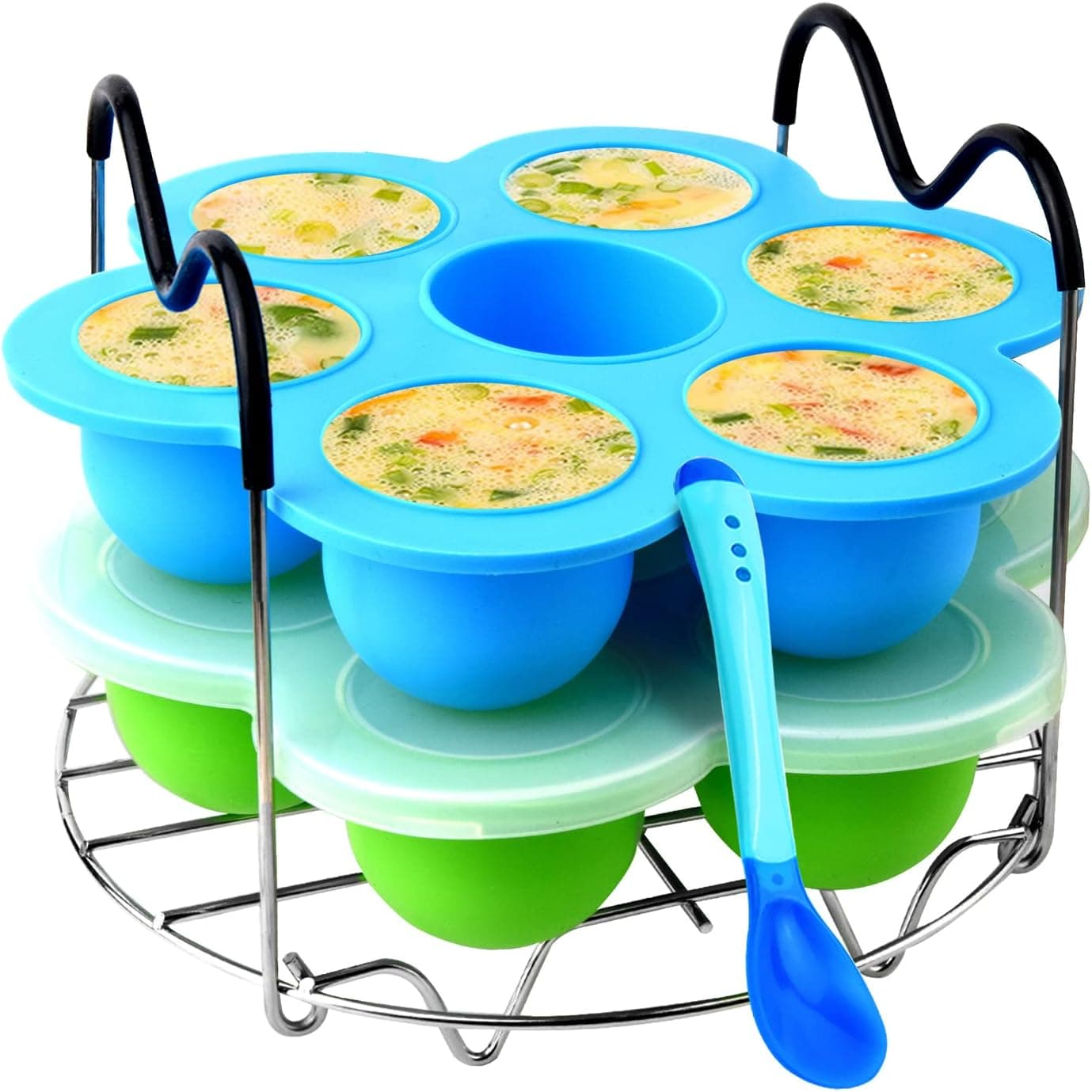
+ Fits 5, 6 and 8 qt pots, covering most Instant Pot sizes
From our guide: Best Egg Bite Molds
Quick answers
How long does batch cooked chicken last?
About 3 to 4 days in the fridge according to USDA guidance, and 2 to 6 months in the freezer. Cool it quickly in shallow containers before refrigerating.
Popular right now
- Meal Prep Container Size ChartArticle
- Best Insulated Lunch Boxes for Meal PrepBuying guide
- Best Lunch Bags for Meal PrepBuying guide
- Best Salad ContainersBuying guide
- The Best Foods for Meal Prep That Actually Hold UpArticle
- Keeping Produce FreshArticle
Based on the last 28 days of search and visitor data.