Glass vs Plastic Containers
Published How we research
Glass containers resist stains and odors, go from freezer to oven to table, and last for years, but they are heavy and can chip or shatter if dropped. Plastic containers are light, cheap, nearly unbreakable, and stack compactly, making them ideal for large collections or carrying many meals, though they can stain, absorb smells, and warp over time. Many people avoid microwaving hot food directly in plastic. For most people, owning some of each, glass for reheated home meals and plastic for cold lunches and carrying, works best. Once you commit to meal prep, the container question comes up fast. Glass and plastic are the two dominant choices, and each has real strengths and honest drawbacks. There is no single right answer for everyone, so the better question is which fits your routine, your budget, and how you actually use your meals during the week.
Products from this article
The highest-scoring picks from the buying guides this article links to. Scores are our editorial assessment, not customer ratings.
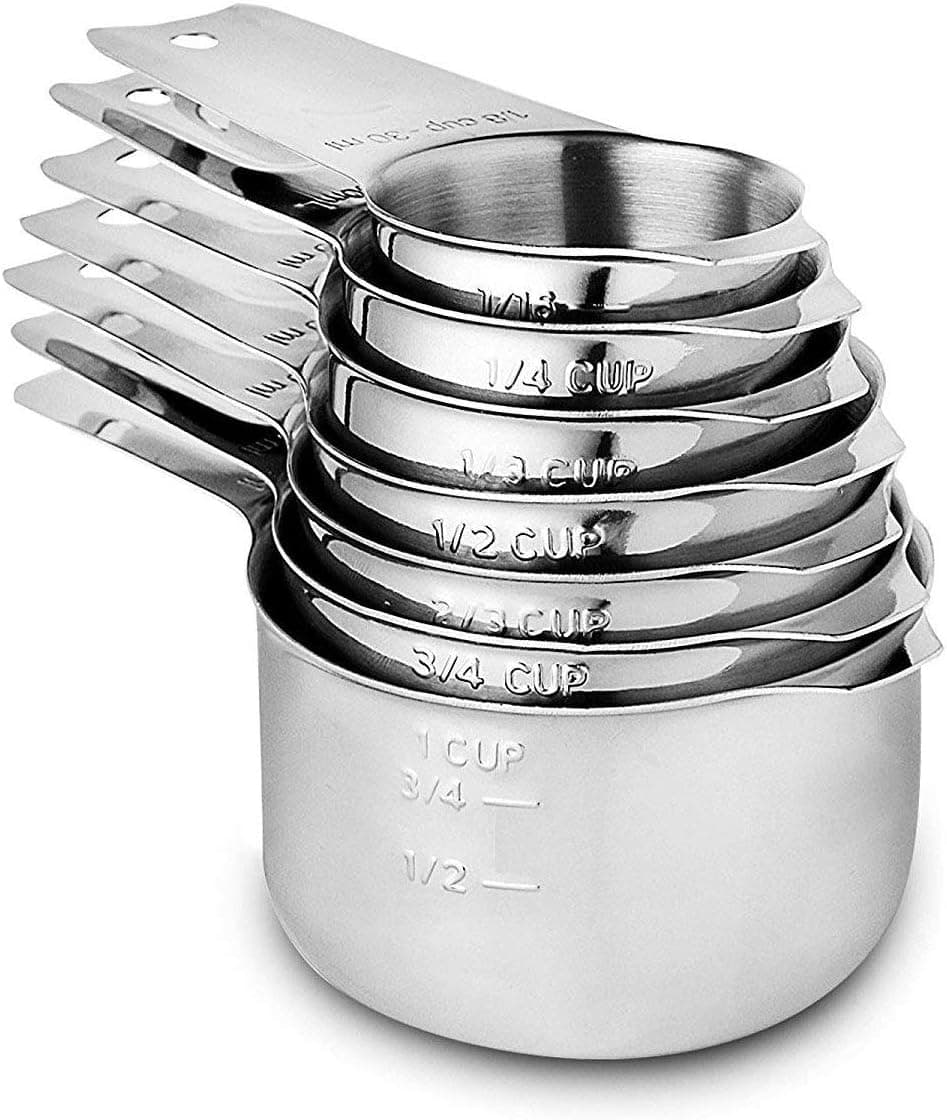
+ Set of seven includes in-between sizes for precise portions
From our guide: Best Measuring Cups for Meal Prep
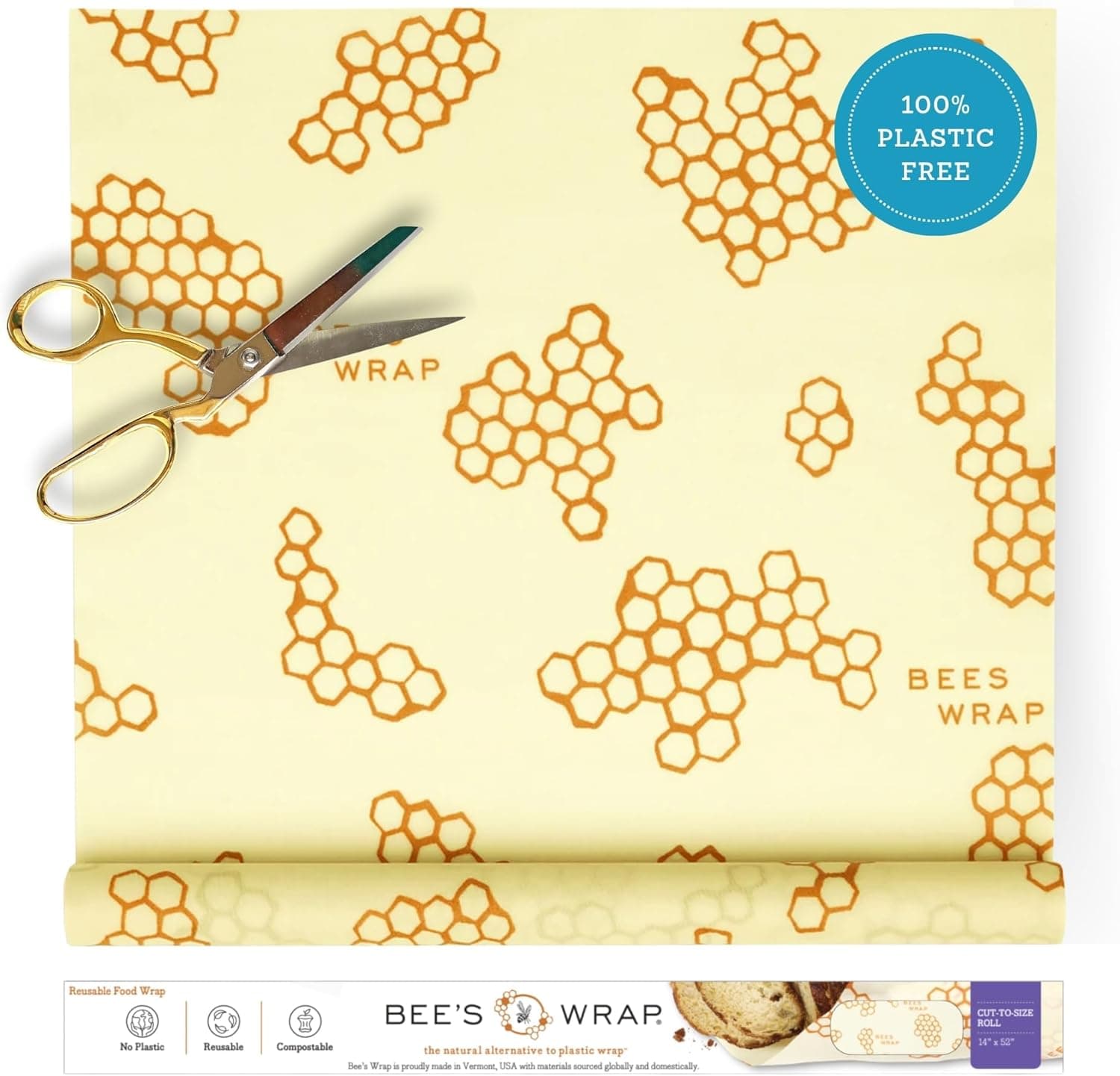
+ Cut to size roll adapts to any bowl or food shape
From our guide: Best Beeswax Food Wraps for Meal Prep in 2026
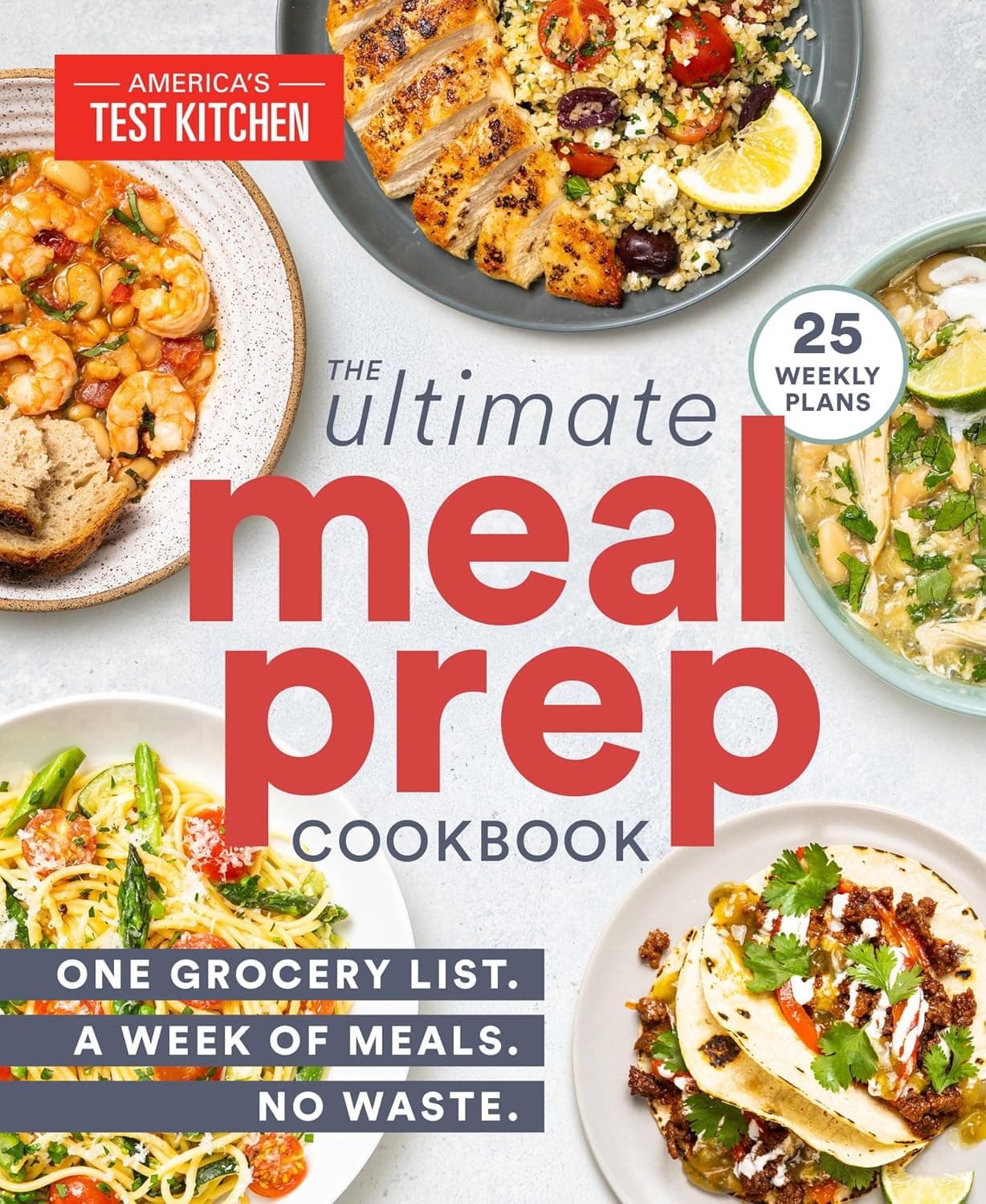
+ One grocery list approach simplifies weekly shopping
From our guide: Best Meal Prep Cookbooks
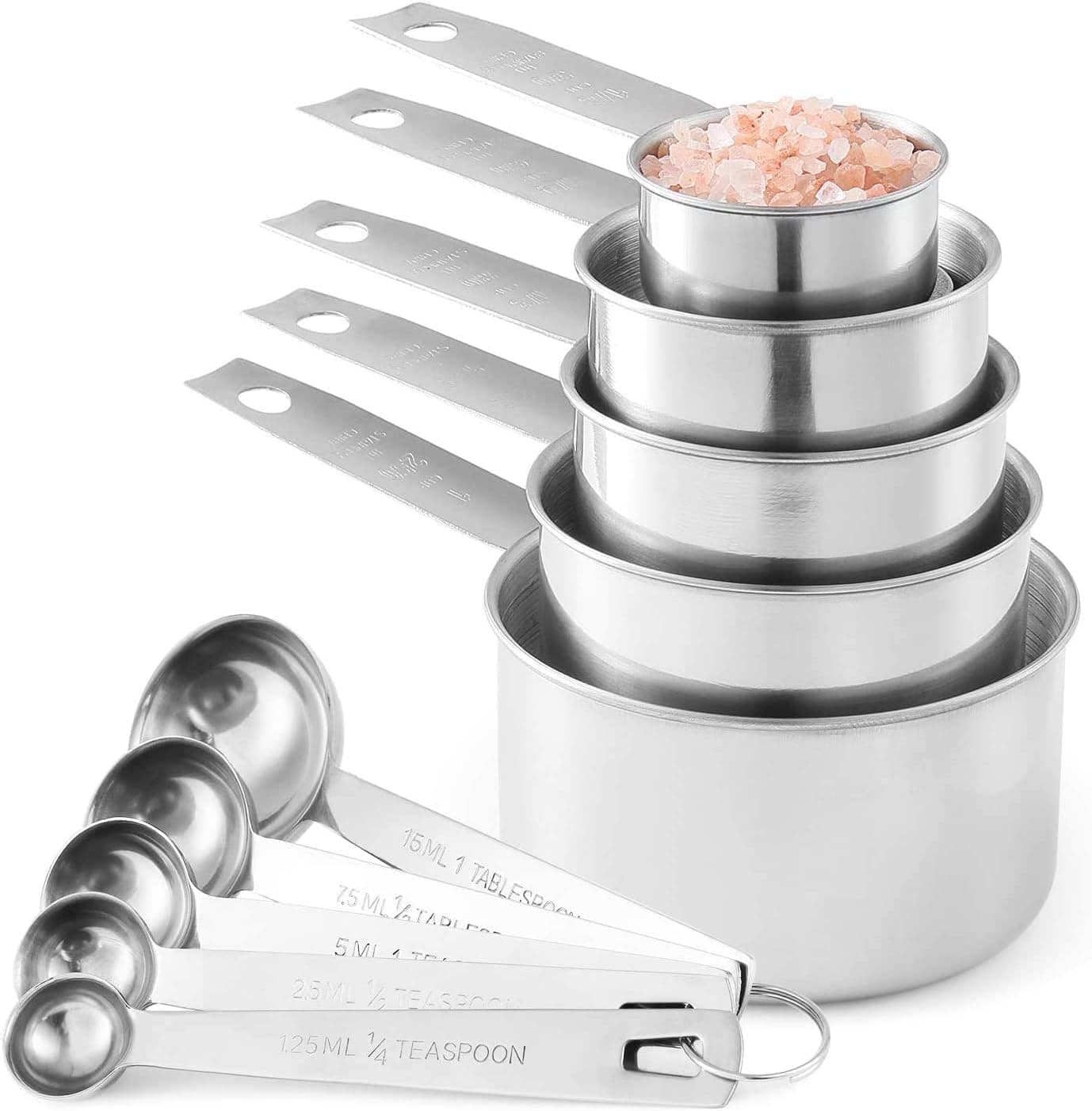
+ Cups and spoons together cover most recipe measurements
From our guide: Best Measuring Cups for Meal Prep
Glass containers are the favorite of many long-term preppers
Glass containers are the favorite of many long-term preppers, and for good reason. They do not stain or hold onto odors, so last week's curry will not haunt tomorrow's oatmeal. They go from freezer to oven to table in many cases, and they let you reheat without worrying about anything leaching into hot, acidic, or fatty food. Glass also simply looks nicer and tends to last for years, which can offset the higher upfront cost.
The trade-offs with glass are weight and fragility
The trade-offs with glass are weight and fragility. A stack of glass containers is noticeably heavy, which matters if you carry several meals to work or the gym. They can also chip or shatter if dropped on a hard floor, and the lids, often plastic themselves, sometimes wear out before the glass does. If you are clumsy or commute by bike, these are worth weighing seriously.
Plastic containers win on practicality
Plastic containers win on practicality. They are light, inexpensive, nearly unbreakable, and stack compactly, which makes them ideal for tossing in a bag or building a large collection without spending much. For anyone prepping many meals at once or feeding a family, the lower cost and easy portability are hard to beat, and a cracked lid is cheap to replace.
The concerns with plastic center on wear and heat
The concerns with plastic center on wear and heat. Over time plastic can stain from tomato-based sauces, absorb smells, and warp or scratch in the dishwasher. Many people prefer to avoid microwaving hot food in plastic and instead transfer to a plate first, both for safety peace of mind and to keep the containers in good shape longer. Look for options labeled as free of common additives of concern if this matters to you, and replace pieces that become cloudy or cracked.
For most people, the smartest move is to own some of each
For most people, the smartest move is to own some of each. Use sturdy glass for meals you will reheat and eat at home or the office, and keep lightweight plastic for cold lunches, snacks, portions of sauce, or anything you carry a long way. Buying containers in one or two consistent sizes, regardless of material, also makes them stack neatly and keeps your portions steady from meal to meal.
Frequently asked questions
Are glass or plastic containers better for meal prep? Neither is universally better. Glass resists stains and odors and handles reheating well but is heavy and fragile; plastic is light, cheap, and nearly unbreakable but can stain and warp over time.
Is it safe to microwave food in plastic containers? Many people prefer to transfer hot food to a plate before microwaving rather than heating it directly in plastic, both for peace of mind and to keep containers in good shape longer.
Why do some people prefer glass containers for meal prep? Glass does not stain or hold onto odors, goes from freezer to oven to table, and lets you reheat without worrying about anything leaching into hot, acidic, or fatty food.
Should I buy only one type of meal prep container? Not necessarily. Using sturdy glass for meals you reheat at home or the office and lightweight plastic for cold lunches or items you carry a long way covers most routines well.
At a glance: Glass vs Plastic
| Glass | Plastic | |
|---|---|---|
| Microwave and oven | Microwave safe, many oven safe without lids | Microwave safe only if labelled, never oven |
| Stains and smells | Resists tomato stains and odours | Can stain and hold smells |
| Weight | Heavy to carry | Light |
| Breakage | Can chip or break | Can crack but rarely shatters |
| Freezer | Leave headspace, avoid sudden temperature changes | Handles freezing well |
| Price | Higher | Lower |
Choose Glass if
- You reheat meals in the container
- You cook with tomato sauces and curries
- You want containers that last years
Choose Plastic if
- You carry lunches on foot or by bike
- You prep for kids
- You need a lot of containers on a budget
Bottom line: Glass is the better everyday meal prep container if you reheat in it. Plastic is the practical choice for commuting, kids and freezer overflow.
Popular right now
- Meal Prep Container Size ChartArticle
- Best Lunch Bags for Meal PrepBuying guide
- Best Insulated Lunch Boxes for Meal PrepBuying guide
- Best Glass Meal Prep ContainersBuying guide
- Freezer burn explainedGlossary
- Safe reheating temperature explainedGlossary
Based on the last 28 days of search and visitor data.