The Best Foods for Meal Prep That Actually Hold Up
Published How we research

Chicken thighs, ground meat, seared salmon, hard-boiled eggs, canned tuna, beans, and pressed baked tofu are reliable proteins that hold up well. Rice, quinoa, farro, roasted potatoes, and sweet potatoes store and reheat nicely, while slightly undercooked pasta tossed in oil avoids clumping. Sturdy roasted vegetables like broccoli and carrots keep their bite; save delicate greens for last minute. Keep dressings, sauces, and crunchy toppings separate until serving. Foods heavy on garlic, spices, and citrus, like soups and stews, actually improve after a day in the fridge. Not every food is a good candidate for meal prep. Some dishes taste even better after a day in the fridge, while others turn soggy, dry, or sad by lunchtime. Knowing which foods hold up is the difference between looking forward to your prepped meals and quietly dreading them. The best choices are forgiving, reheat well, and keep their texture across several days.
Products from this article
The highest-scoring picks from the buying guides this article links to. Scores are our editorial assessment, not customer ratings.
+ Pump mechanism dries greens quickly with one hand
From our guide: Best Salad Spinners for Meal Prep
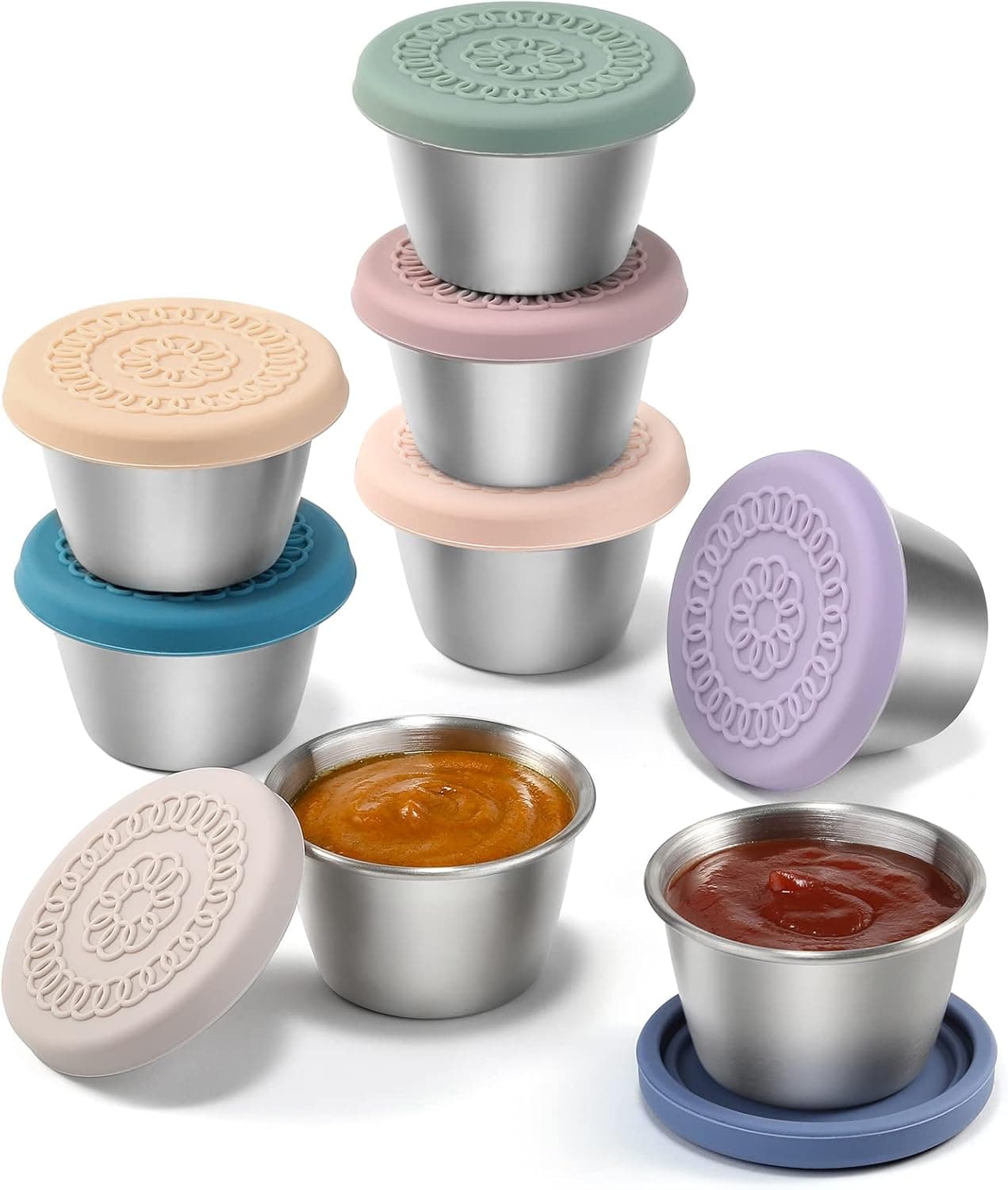
+ 2.4oz cups hold a proper serving of dressing or peanut sauce
From our guide: Best Condiment Containers
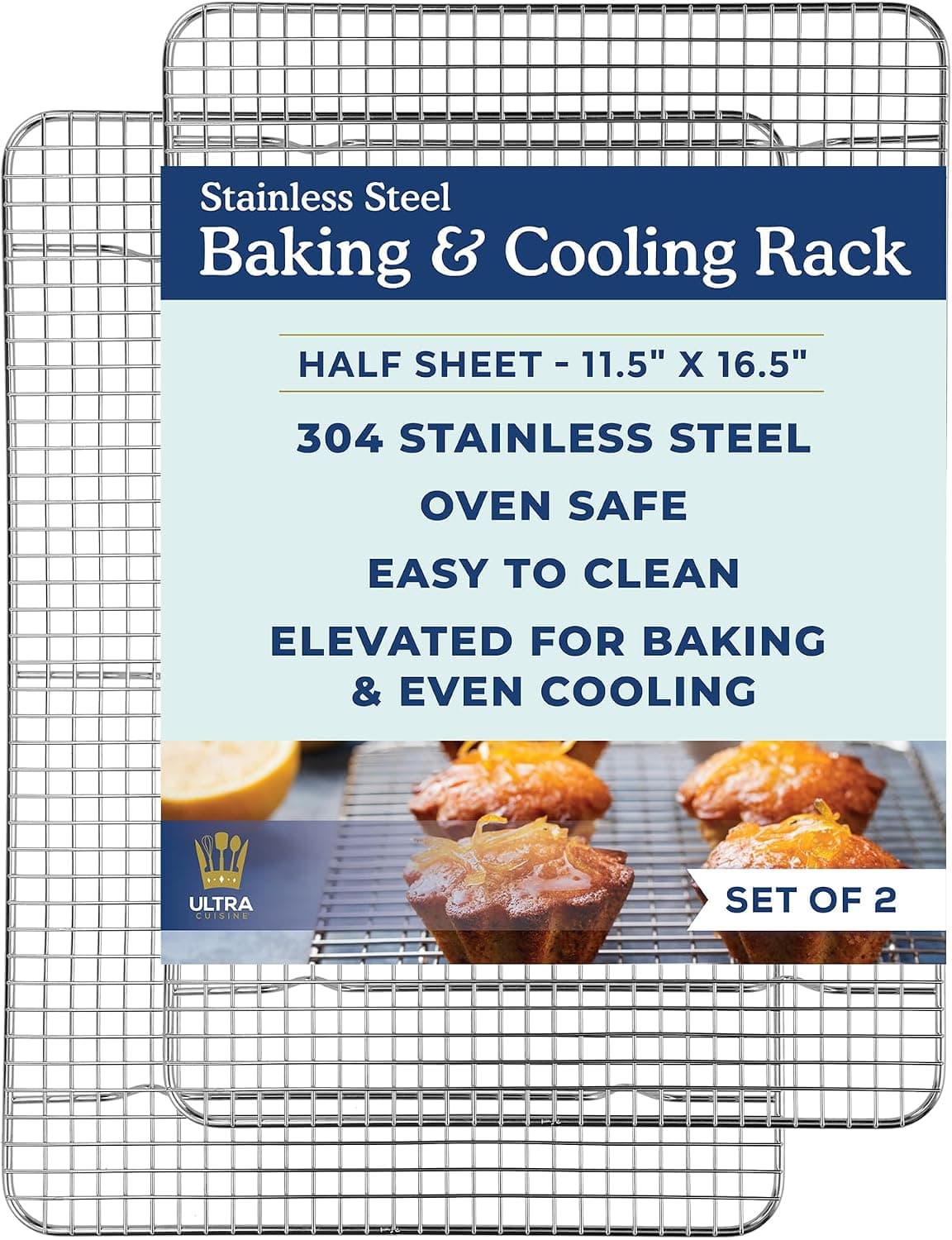
+ 100% stainless steel is oven safe for roasting on a raised rack
From our guide: Best Cooling Racks
+ Bundle adds fine mesh strainers for rinsing quinoa and rice
From our guide: Best Salad Spinners for Meal Prep

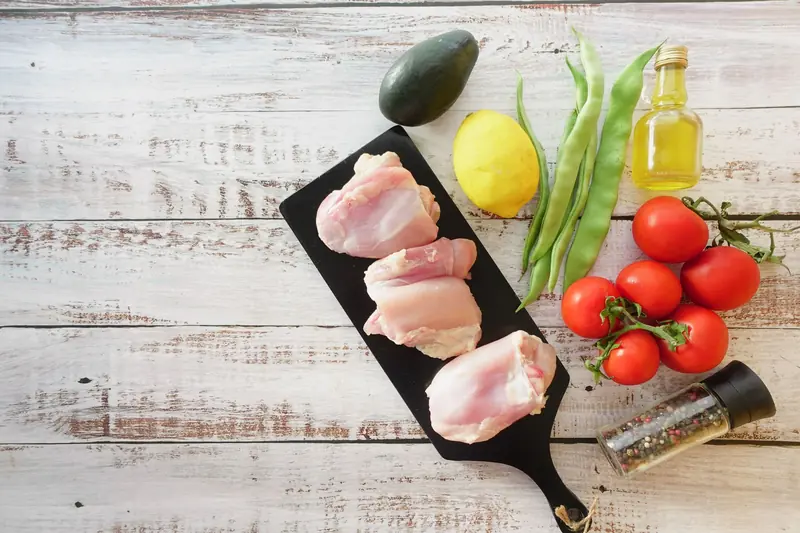
Reliable protein workhorses for meal prep
Among proteins, the reliable workhorses are chicken thighs, ground beef and turkey, and baked or seared salmon. Chicken thighs stay juicier than breasts after reheating, which makes them more forgiving if you overcook slightly. Hard-boiled eggs, canned tuna, and cooked beans or lentils round out the list and require little to no reheating, which is handy for grab-and-go lunches. Tofu holds up well too, especially when it is pressed and baked before storing.
Grains and starches that store and reheat well
For grains and starches, rice, quinoa, farro, and roasted potatoes all store and reheat nicely. Sweet potatoes are especially popular because they hold their texture and add natural sweetness that survives a few days in the fridge. Pasta works if you slightly undercook it and toss it with a little oil so the noodles do not clump together into a solid brick overnight.
Sturdy vegetables are your friends
Sturdy vegetables are your friends. Roasted broccoli, cauliflower, carrots, Brussels sprouts, bell peppers, and zucchini all reheat well and keep some bite. Roasting rather than boiling helps them stay firm and concentrates their flavor. Save delicate greens like spinach and lettuce for the last minute or store them separately, since they wilt quickly once dressed or warmed.
Some foods are best kept apart until you eat
Some foods are best kept apart until you eat. Dressings, sauces, and anything crunchy like nuts, croutons, or seeds should ride in a small separate container and get added just before the meal. This keeps textures intact and stops your salad from drowning. Avocado is famously tricky because it browns fast, so slice it fresh rather than prepping it ahead when you can.
Flavor matters just as much as function
Flavor matters just as much as function. Foods heavy on garlic, ginger, herbs, citrus, and spices tend to taste even better after the flavors have had time to mingle. Soups, chilis, stews, and curries are ideal make-ahead meals for exactly this reason. When you build your rotation, lean on these bold, stew-style dishes for variety and keep a few simple protein-and-veggie combos for the days you want something plain and clean.
Frequently asked questions
What proteins hold up best for meal prep? Chicken thighs, ground beef or turkey, baked or seared salmon, hard-boiled eggs, canned tuna, cooked beans or lentils, and pressed baked tofu all reheat well and stay forgiving across several days.
Which vegetables are best for meal prep? Sturdy roasted vegetables like broccoli, cauliflower, carrots, Brussels sprouts, bell peppers, and zucchini reheat well and keep some bite, while delicate greens like spinach should be stored separately or added fresh.
Why should dressings and sauces be stored separately in meal prep? Keeping dressings, sauces, and crunchy toppings like nuts or croutons in a separate container until the meal keeps textures intact and stops a salad from getting soggy.
What kinds of meals actually taste better after meal prepping? Soups, chilis, stews, and curries, since foods heavy on garlic, ginger, herbs, citrus, and spices tend to taste even better once the flavors have had time to mingle.
Popular right now
- Meal Prep Container Size ChartArticle
- Best Lunch Bags for Meal PrepBuying guide
- Best Insulated Lunch Boxes for Meal PrepBuying guide
- Best Glass Meal Prep ContainersBuying guide
- Freezer burn explainedGlossary
- Safe reheating temperature explainedGlossary
Based on the last 28 days of search and visitor data.