Budget Meal Prep Tips to Eat Well for Less
Published How we research
Meal prep is one of the most effective ways to cut your food spending, because it attacks the two biggest budget killers at once: takeout and food waste. When meals are planned and ready, you stop paying restaurant markups on busy nights and stop letting groceries rot forgotten in the fridge. A little strategy stretches every dollar much further without leaving you eating sad, repetitive food.
Products from this article
The highest-scoring picks from the buying guides this article links to. Scores are our editorial assessment, not customer ratings.
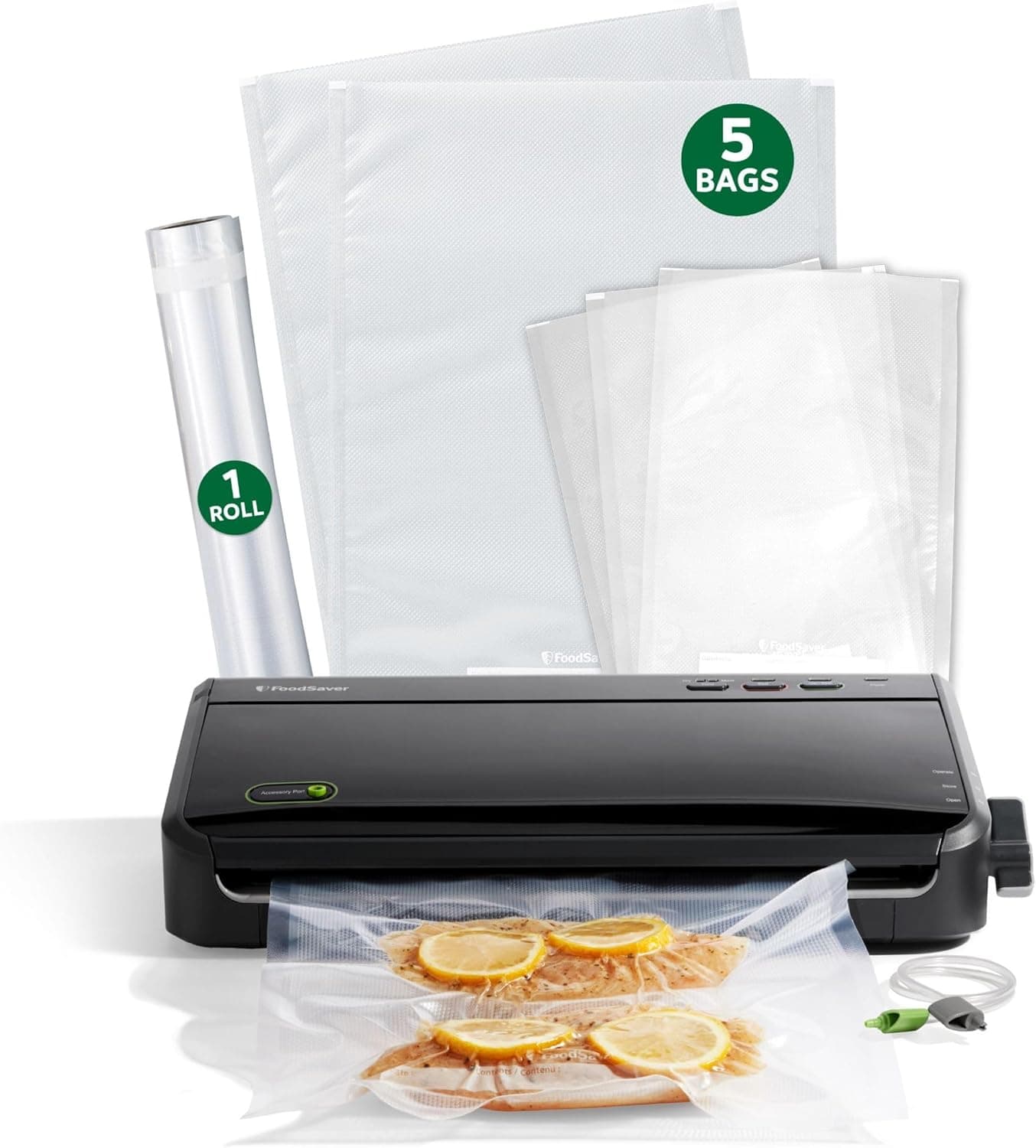
+ Automatic bag detection makes sealing quick and simple
From our guide: Best Vacuum Sealers for Meal Prep
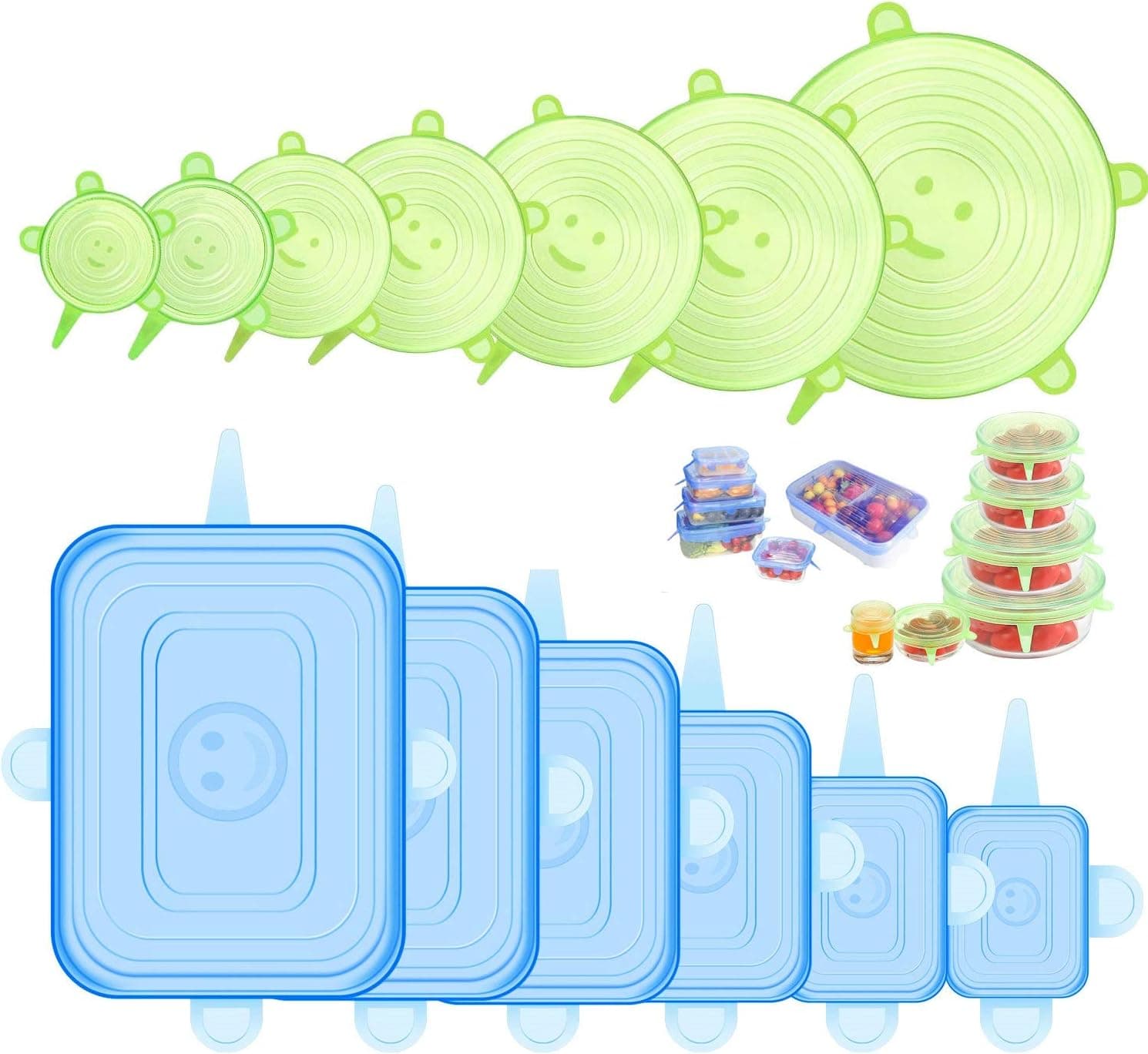
+ Rectangle lids cover baking dishes and square containers too
From our guide: Best Silicone Stretch Lids for Food Storage in 2026
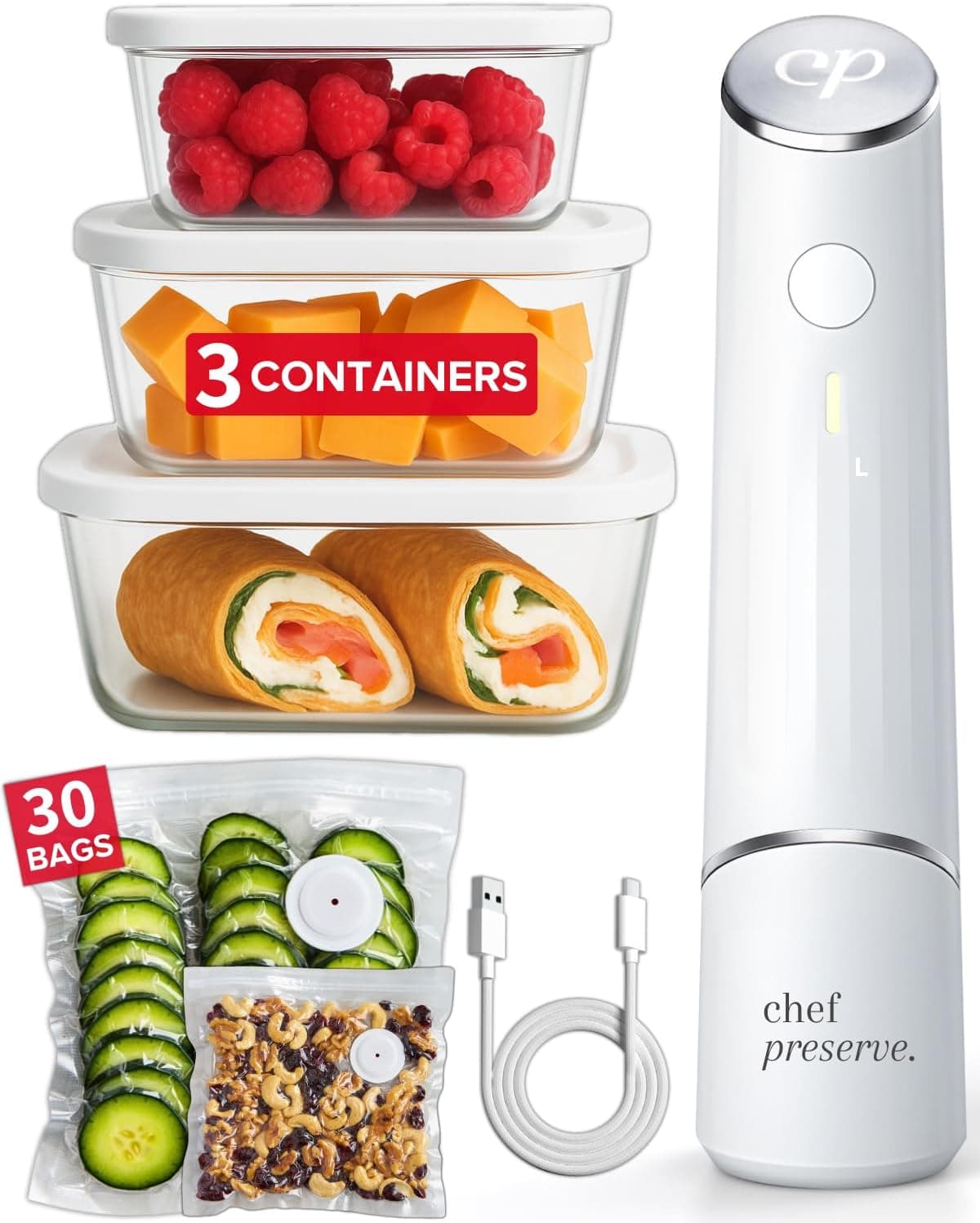
+ Includes 3 glass containers for vacuum sealed storage
From our guide: Best Vacuum Sealers for Meal Prep
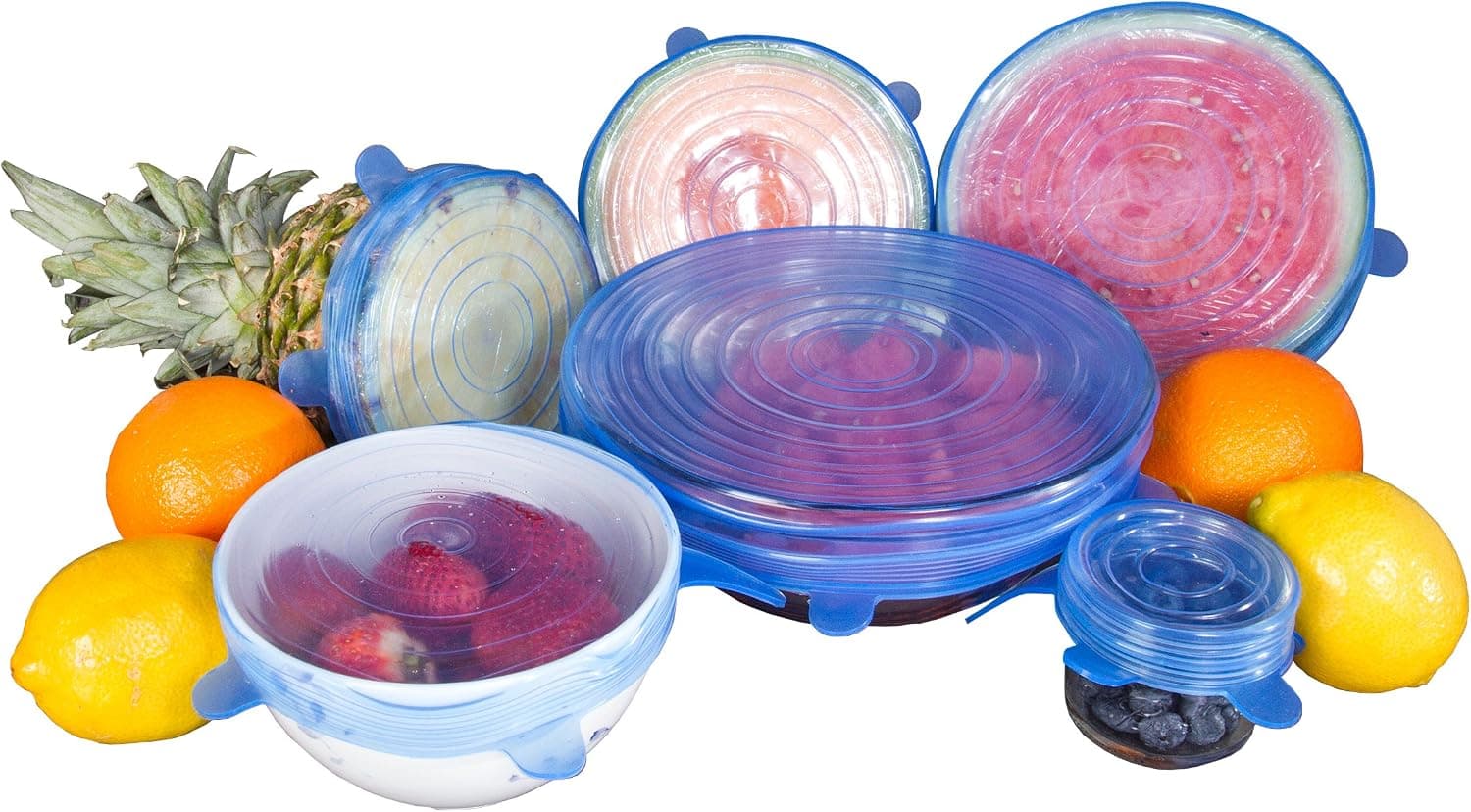
+ Set of six covers mugs up to mixing bowls in one purchase
From our guide: Best Silicone Stretch Lids for Food Storage in 2026
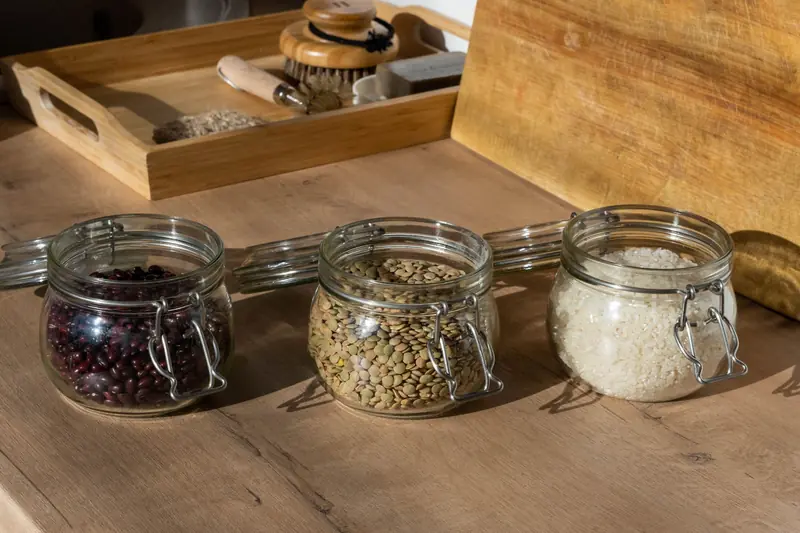
The biggest savings come from planning before you spend. Build your week around a written plan and a shopping list, and design recipes that share ingredients so nothing gets bought for a single use and abandoned. Checking your pantry and freezer first prevents buying duplicates, and shopping with a full list rather than wandering the aisles hungry keeps impulse purchases out of your cart.
Lean on affordable staples that deliver a lot of nutrition per dollar. Dried beans and lentils, rice, oats, eggs, frozen vegetables, cabbage, carrots, and cheaper cuts of meat like chicken thighs and ground meat all cost little and prep well. Buying these basics in larger quantities usually lowers the per-serving price, as long as you will realistically use them before they go bad or have freezer space to store the surplus.
Buy in bulk wisely rather than blindly. Bulk pricing only saves money if the food gets eaten, so it works best for shelf-stable staples and items you can freeze in portions. A large pack of chicken can be split and frozen, and a big bag of rice lasts for months. Avoid bulk-buying perishable produce you cannot get through in time, since wasted food erases any discount you gained.
Cooking from scratch and reducing meat are two more reliable levers. Pre-cut, pre-seasoned, and single-serve convenience products carry a steep markup, so doing the chopping and portioning yourself keeps that money in your pocket. Meat is often the most expensive part of a plate, so building some meals around beans, lentils, eggs, or tofu, or simply using meat as an accent rather than the centerpiece, lowers cost while still keeping meals filling and nutritious.
Finally, cut waste at every step, because the cheapest food is the food you actually eat instead of throwing away. Store meals properly, freeze anything you will not get to in a few days, and build in a plan for leftovers and odd bits, like tossing extra vegetables into a soup or a fried rice. Track roughly what you spend for a few weeks and you will spot the leaks. Small, steady adjustments add up to real savings over a year.
Popular right now
- Meal Prep Container Size ChartArticle
- Best Lunch Bags for Meal PrepBuying guide
- Best Insulated Lunch Boxes for Meal PrepBuying guide
- Best Glass Meal Prep ContainersBuying guide
- Freezer burn explainedGlossary
- Safe reheating temperature explainedGlossary
Based on the last 28 days of search and visitor data.