Food Safety and Storage Times
Published How we research
The temperature danger zone is roughly 40 to 140 degrees Fahrenheit, where bacteria multiply fastest, and food should not sit in it for more than about two hours. Most cooked meals keep three to four days in the fridge at or below 40 degrees. Freezing halts bacterial growth, and while food stays safe indefinitely at 0 degrees, quality fades after two to three months. Cool large batches in shallow containers rather than one deep pot to pass through the danger zone quickly. Reheat to 165 degrees throughout, and follow the two-strike rule: reheat a given portion only once. Meal prep only saves time if the food is still safe to eat when you get to it, and that is where a little food safety knowledge pays off. Most people either throw meals out too early out of vague worry, or push them far past their prime and gamble with their stomach. The reassuring truth is that safe storage follows a few simple, memorable rules, and once you know them you can prep with confidence instead of guesswork.
The central concept is the temperature danger zone
The central concept is the temperature danger zone, the range between roughly 40 and 140 degrees Fahrenheit where bacteria multiply fastest. Food should not sit in that range for more than about two hours total, and only one hour if the room is hot. This is why you cool food quickly and refrigerate it promptly rather than leaving a big pot on the stove to come down to room temperature over the afternoon. The clock is counting the whole time food lingers in that window.
How long meals last in the fridge
For the fridge, most cooked meals keep well for three to four days at or below 40 degrees Fahrenheit. Cooked chicken, beef, grains, and mixed dishes all fit that window comfortably. A few things run shorter, like cooked seafood and dishes with delicate dairy sauces, while others such as hard-boiled eggs in the shell stretch to about a week. When in doubt, four days is a safe default for prepped meals, so plan your batch sizes to be eaten within that span rather than hoping they last longer.
The freezer changes the math entirely
The freezer changes the math entirely, because freezing halts bacterial growth. Food stored at 0 degrees Fahrenheit stays safe indefinitely from a strictly safety standpoint, but quality is another matter. Most cooked dishes taste best within two to three months before texture and flavor start to fade and freezer burn creeps in. Labeling each container with the date it went in takes seconds and turns your freezer from a mystery into an organized rotation you can actually trust.
Cooling technique matters more than people realize
Cooling technique matters more than people realize. To get hot food through the danger zone quickly, divide large batches into shallow containers rather than storing one deep pot, since a thick mass of food cools slowly from the center. An ice bath under the pot or spreading rice on a tray speeds things up further. Do not stack piping-hot containers tightly in the fridge either, because they trap heat in each other and warm their neighbors before everything cools.
Reheating is the final safety step
Reheating is the final safety step, and the target is 165 degrees Fahrenheit throughout, hot and steaming all the way through rather than lukewarm in the middle. Stir midway through microwaving to eliminate cold spots where bacteria could survive. And trust the two-strike rule of thumb, reheat a given portion only once, since repeated cycles through the danger zone add risk. Use your senses too, but remember that unsafe food does not always smell off, so the dates and temperatures are your real guide.
Frequently asked questions
What is the food safety danger zone temperature? Roughly 40 to 140 degrees Fahrenheit, the range where bacteria multiply fastest. Food should not sit in that range for more than about two hours, or one hour if the room is hot.
How long does meal prep last in the fridge? Most cooked meals keep well for three to four days at or below 40 degrees Fahrenheit, with a few exceptions like cooked seafood that run shorter.
How do I cool a large batch of food safely and quickly? Divide it into shallow containers rather than one deep pot, since a thick mass cools slowly from the center; an ice bath or spreading rice on a tray speeds it up further.
Is it safe to reheat meal prep more than once? It's best to follow the two-strike rule and reheat a given portion only once, since repeated cycles through the danger zone add risk, and always reheat to 165 degrees throughout.
Products from this article
The highest-scoring picks from the buying guides mentioned above. Scores are our editorial assessment, not customer ratings.
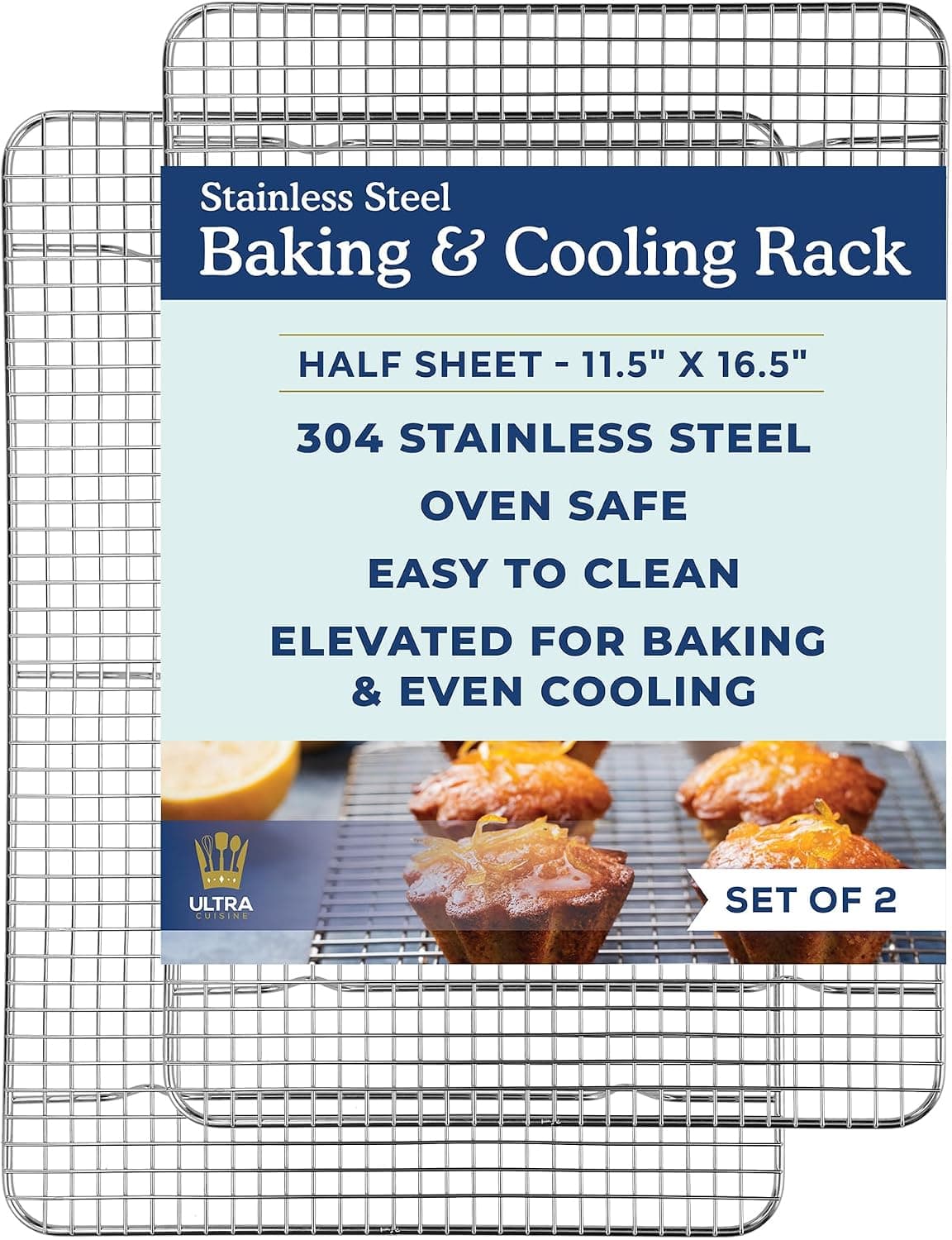
+ 100% stainless steel is oven safe for roasting on a raised rack
From our guide: Best Cooling Racks
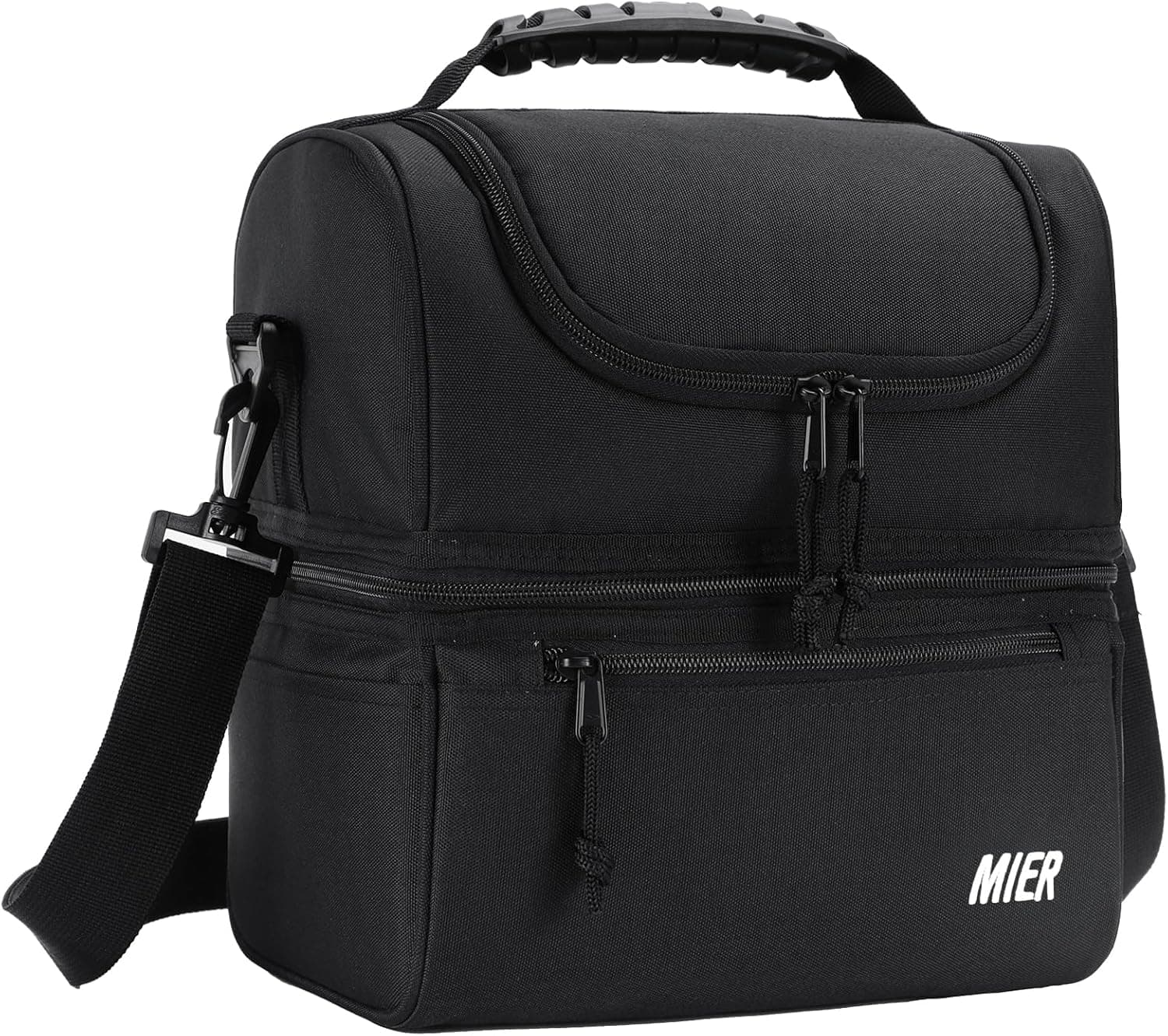
+ Double deck layout separates hot and cold meals
From our guide: Best Insulated Lunch Boxes for Meal Prep
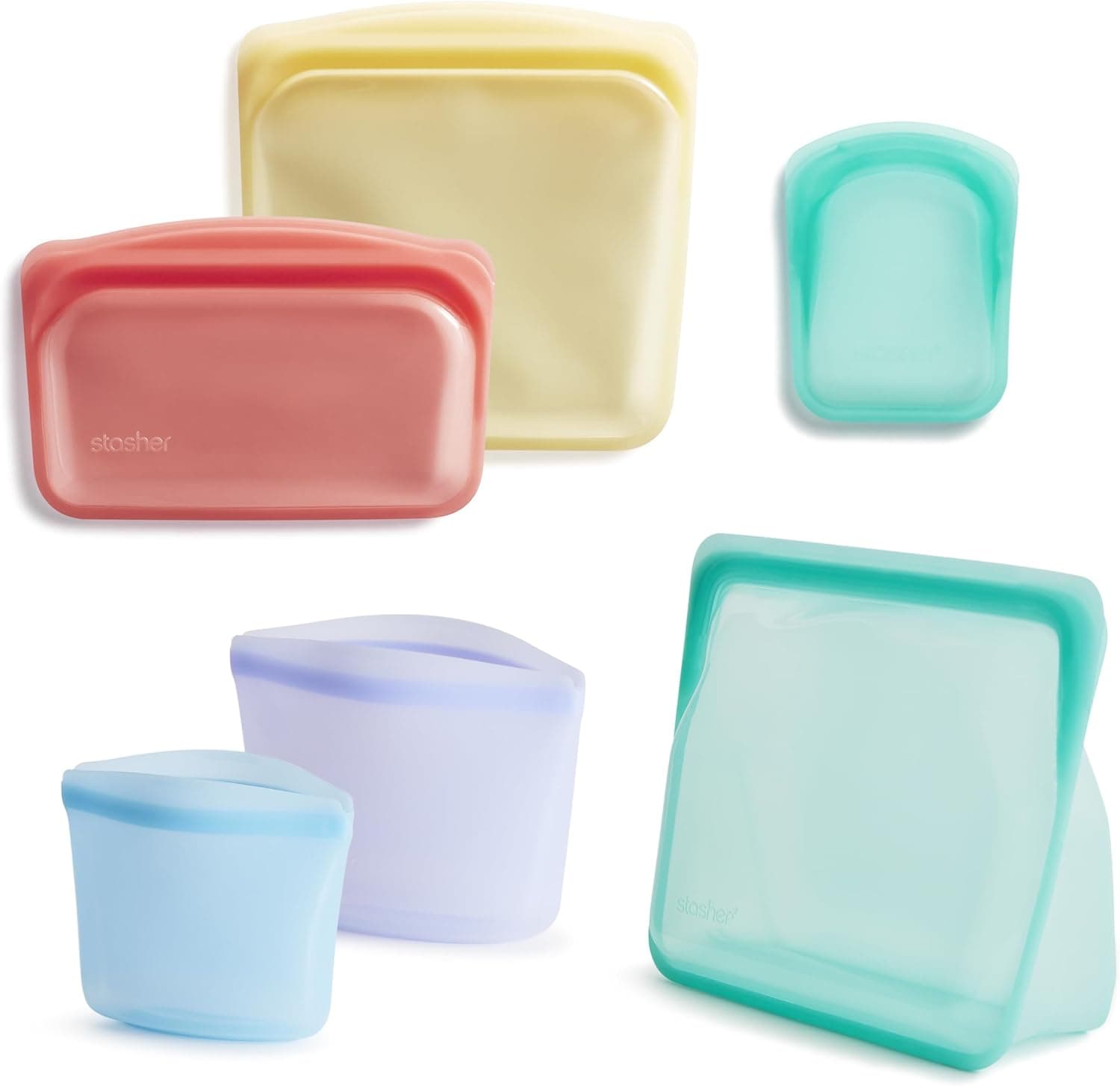
+ Six bags support a real switch away from single-use zip bags
From our guide: Best Silicone Food Storage Bags
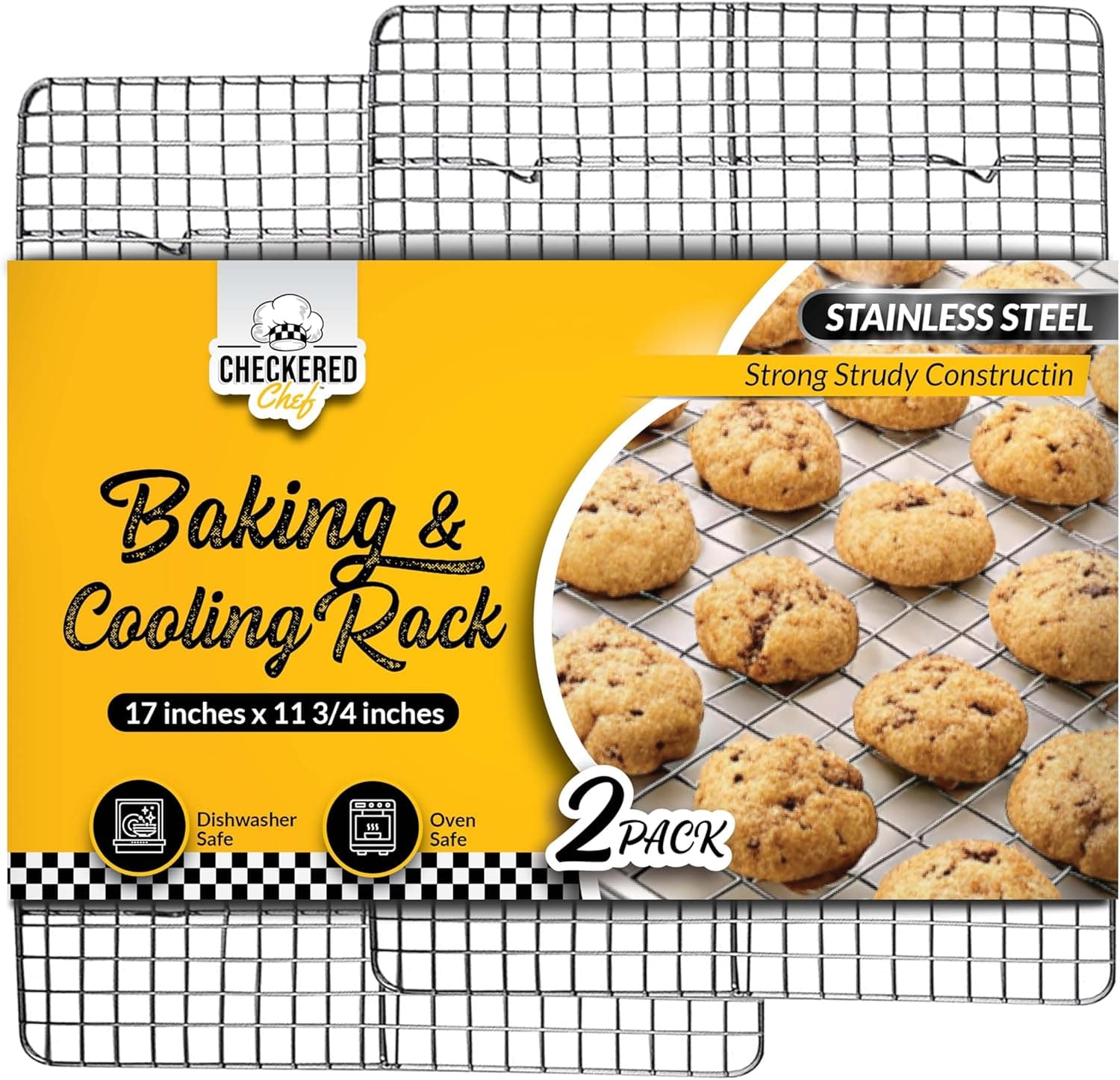
+ Full-size racks fit half sheet pans for oven roasted proteins
From our guide: Best Cooling Racks
Popular right now
- Meal Prep Container Size ChartArticle
- Best Insulated Lunch Boxes for Meal PrepBuying guide
- Best Lunch Bags for Meal PrepBuying guide
- Best Salad ContainersBuying guide
- Batch Cooking ChickenArticle
- The Best Foods for Meal Prep That Actually Hold UpArticle
Based on the last 28 days of search and visitor data.