How to Prevent Freezer Burn on Frozen Meals
Published How we research
Freezer burn shows up as dry, discoloured, leathery patches and a layer of ice crystals on frozen food. It happens when moisture escapes from food and air reaches the surface. Freezer-burned food is generally safe to eat, according to the USDA, but texture and flavour suffer, which defeats the purpose of freezing meals ahead. Good packaging and a well-organised freezer prevent most of it.
What causes freezer burn
Even in a freezer, water molecules slowly move from the surface of food into the surrounding air and form ice crystals elsewhere in the package. The dried-out areas oxidise, becoming tough, pale or grey and developing stale flavours.
Air gaps inside containers, torn bags and temperature fluctuations speed this up. Frequent door opening, self-defrosting cycles and storing food too long all make freezer burn more likely.
Remove as much air as possible
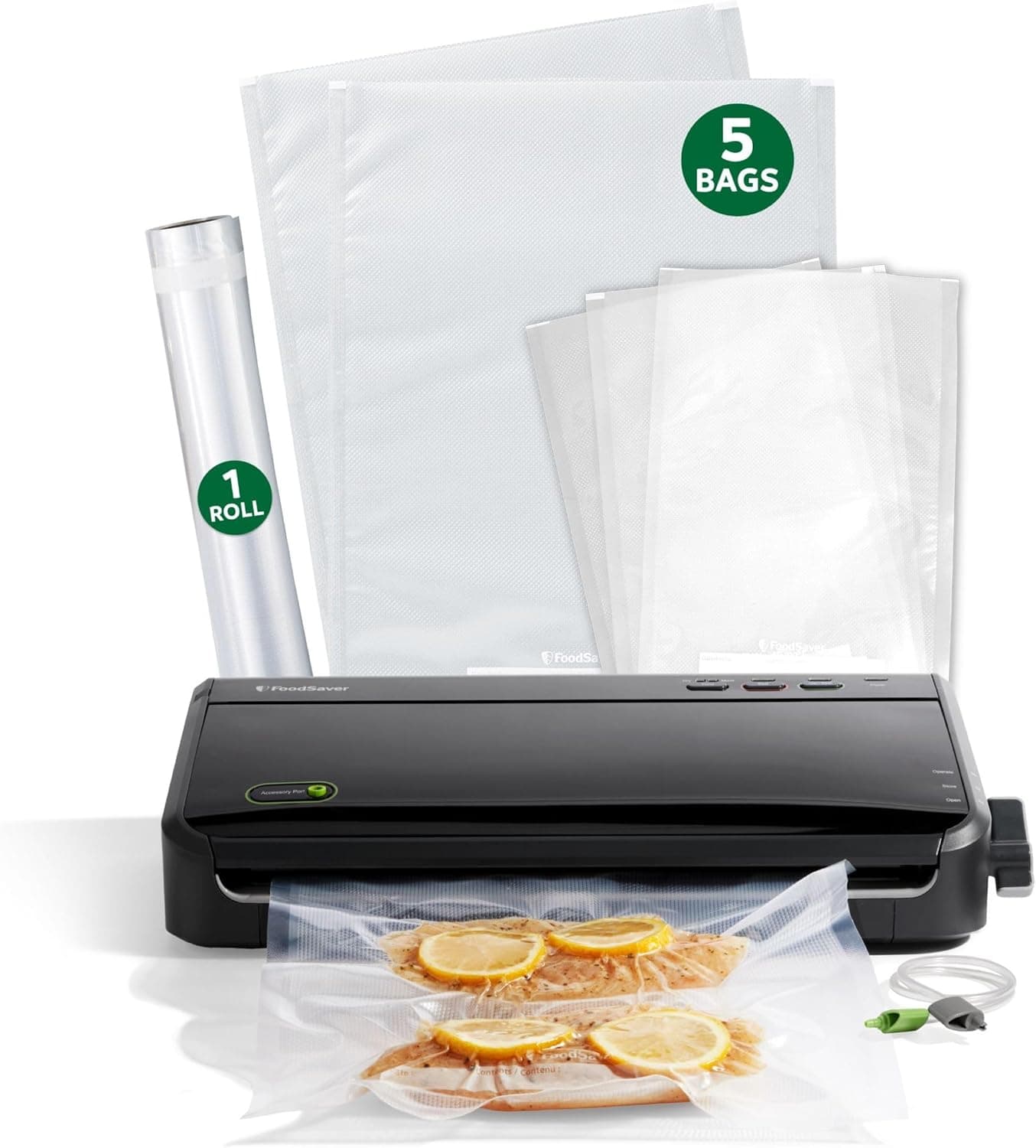
Air is the main enemy. Vacuum sealers remove nearly all of it and give the best protection for proteins, casseroles and portions stored for months.
Without a vacuum sealer, use freezer bags, press out air before sealing and freeze them flat. The water displacement method works well: submerge the open bag in a bowl of water up to the seal so water pushes out the air, then close it.
Choose freezer-safe containers
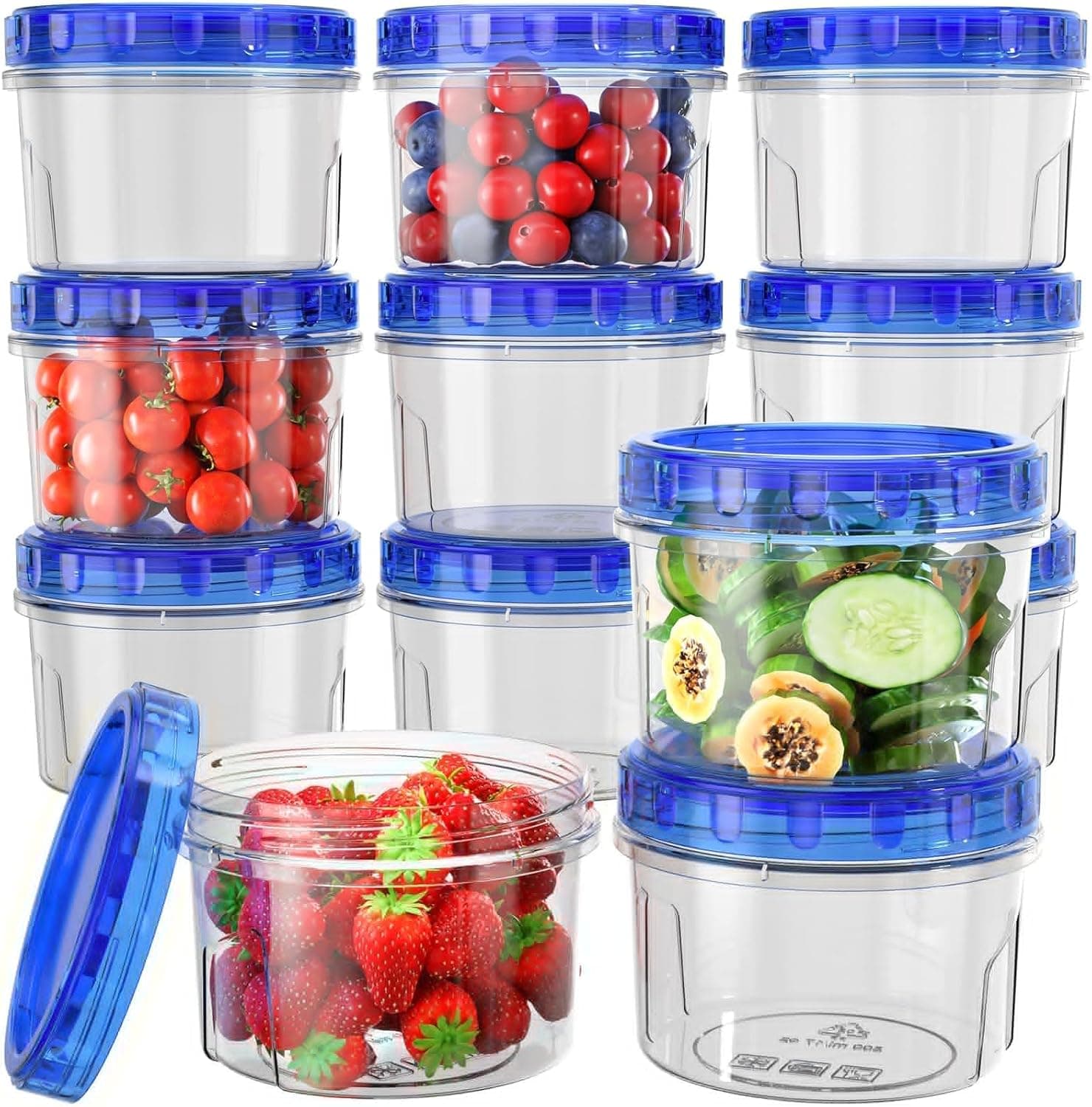
Use rigid containers designed for freezing, and fill them close to the top while leaving a little headspace for liquids to expand. A large air gap above a small portion invites freezer burn.
Pressing a piece of plastic wrap or parchment directly onto the surface of soups, stews and sauces before adding the lid adds another barrier. Silicone freezer bags and souper-cube style portion trays also work well.
Cool and freeze quickly
Cool cooked food in the fridge before freezing, so warm meals do not raise the freezer's temperature and partially thaw nearby items. Keep the freezer at 0°F (-18°C) or colder, and check it with an appliance thermometer.
Freeze meals in flat, thin portions where possible, since they freeze faster and form smaller ice crystals. Faster freezing gives better texture when reheated.
Label and rotate
Label every container with the contents and date. Most cooked meals keep the best quality for about two to three months, even though they stay safe longer at a constant freezing temperature.
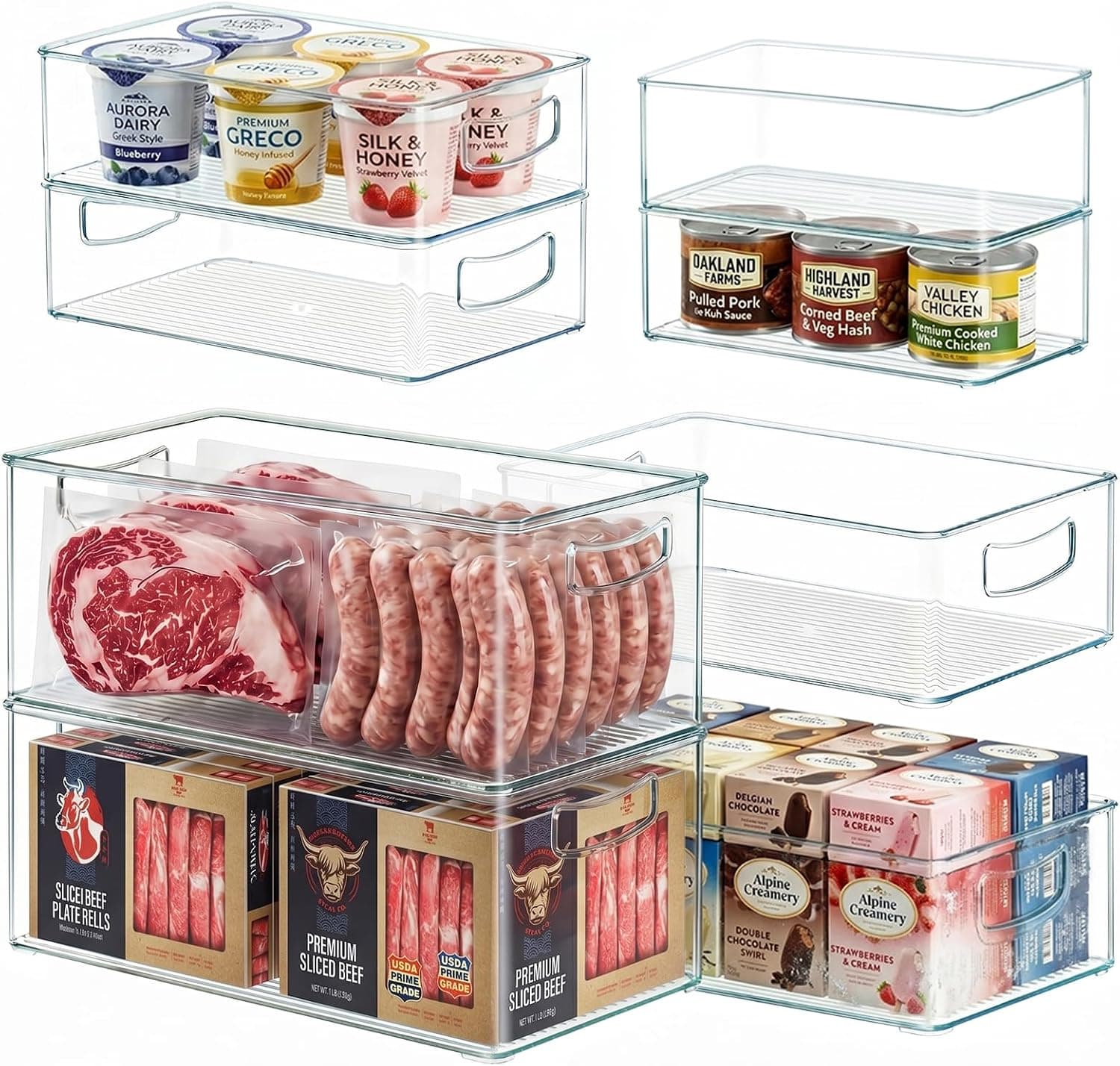
Organise the freezer with bins or file frozen flat bags upright like books so older meals are easy to see and use first. If food does have minor freezer burn, trim the affected areas or use it in soups and sauces where texture matters less.
Products from this article
The highest-scoring picks from the buying guides mentioned above. Scores are our editorial assessment, not customer ratings.
+ Automatic bag detection makes sealing quick and simple
From our guide: Best Vacuum Sealers for Meal Prep
+ 12 containers give extra capacity over typical ten-pack twist top sets
From our guide: Best Freezer Containers
+ Side handles make pulling bins out of deep freezers easy
From our guide: Best Freezer Organizers for Meal Prep
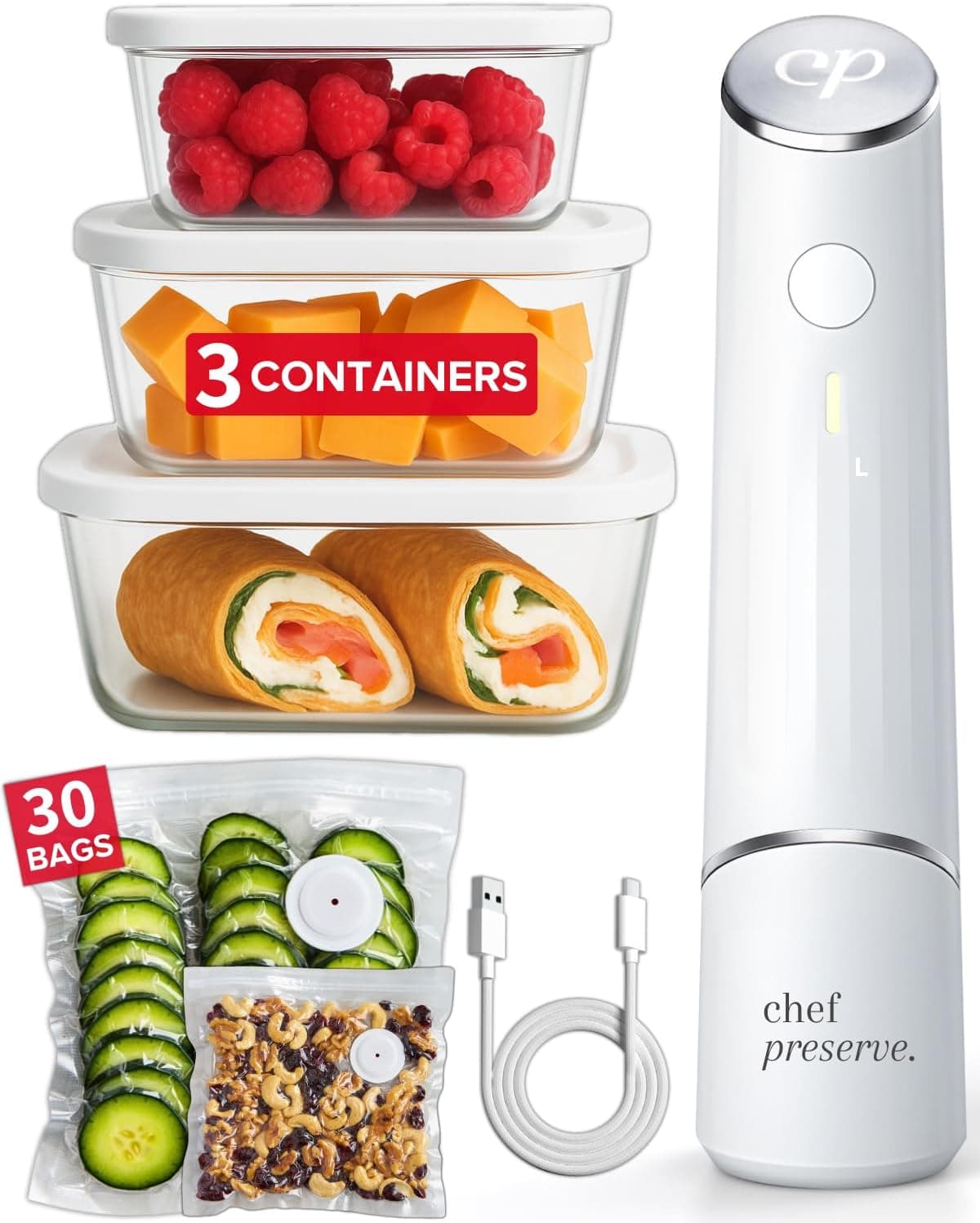
+ Includes 3 glass containers for vacuum sealed storage
From our guide: Best Vacuum Sealers for Meal Prep
Popular right now
- Meal Prep Container Size ChartArticle
- Best Insulated Lunch Boxes for Meal PrepBuying guide
- Best Lunch Bags for Meal PrepBuying guide
- Best Salad ContainersBuying guide
- Batch Cooking ChickenArticle
- The Best Foods for Meal Prep That Actually Hold UpArticle
Based on the last 28 days of search and visitor data.