How to Start Meal Prepping
Published How we research
Meal prepping sounds like a big commitment, but at its core it is just cooking with a little foresight. Instead of deciding what to eat three times a day while you are already hungry, you make those choices once, on a calm afternoon, and let your future self reap the reward. The goal for your first few weeks is not a photo-worthy fridge full of matching containers. It is simply having food ready when you need it.
Products from this article
The highest-scoring picks from the buying guides this article links to. Scores are our editorial assessment, not customer ratings.
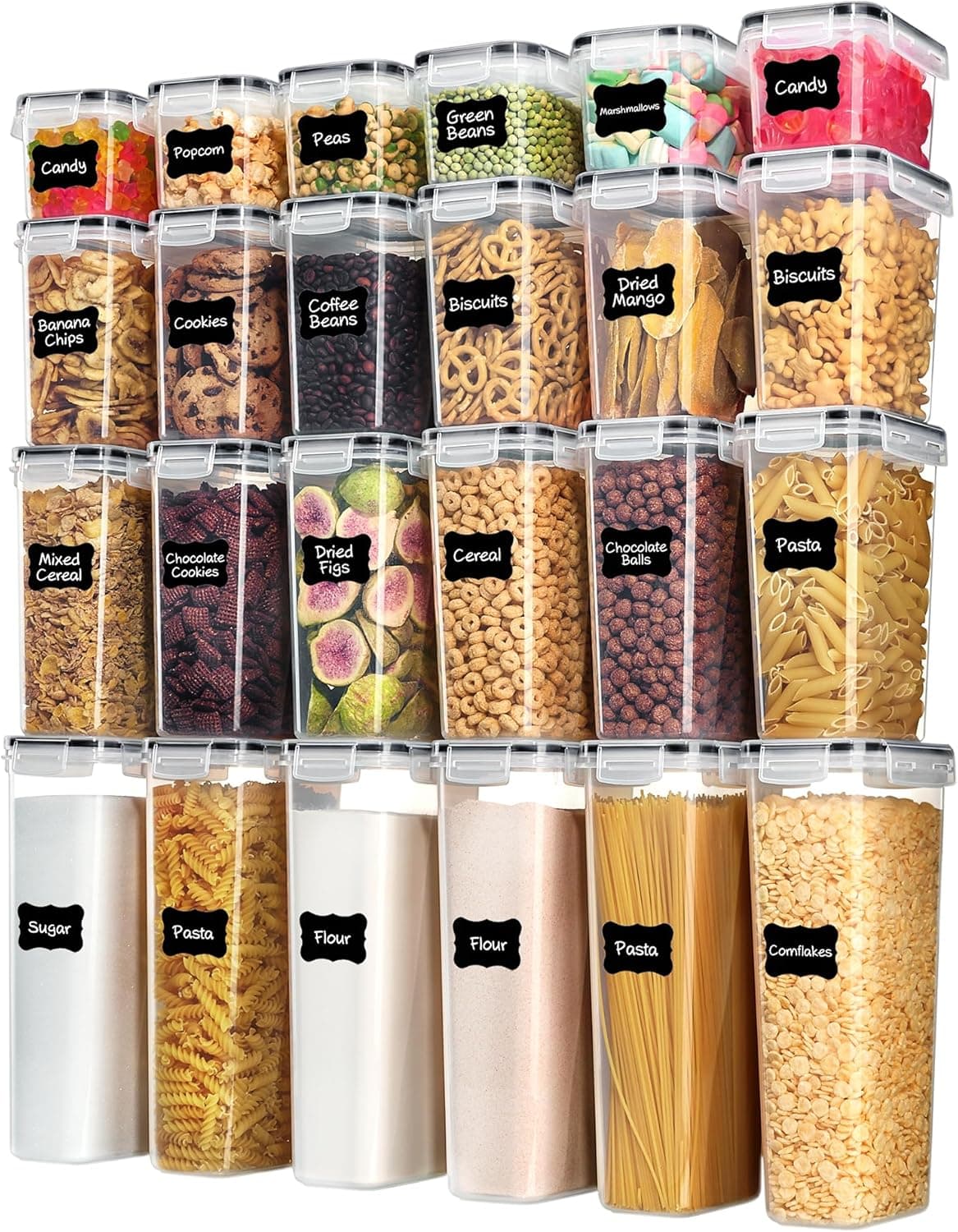
+ Airtight seals help keep cereal crisp and flour free of pantry pests
From our guide: Best Stackable Food Containers
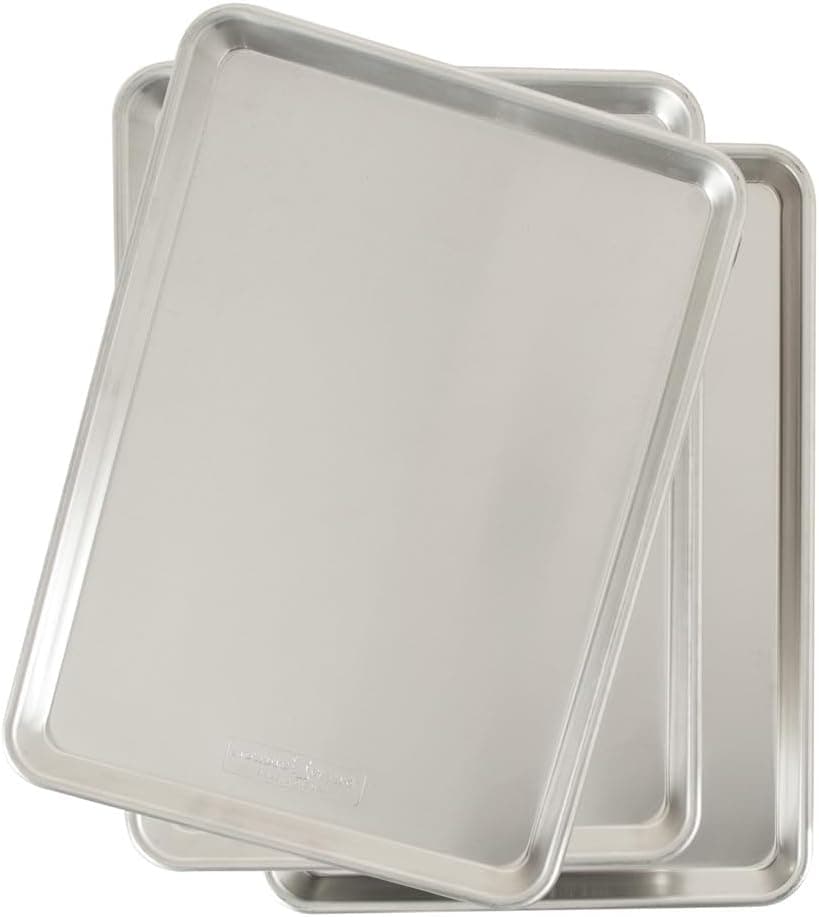
+ Three pans support big Sunday roasting sessions for the week
From our guide: Best Sheet Pans
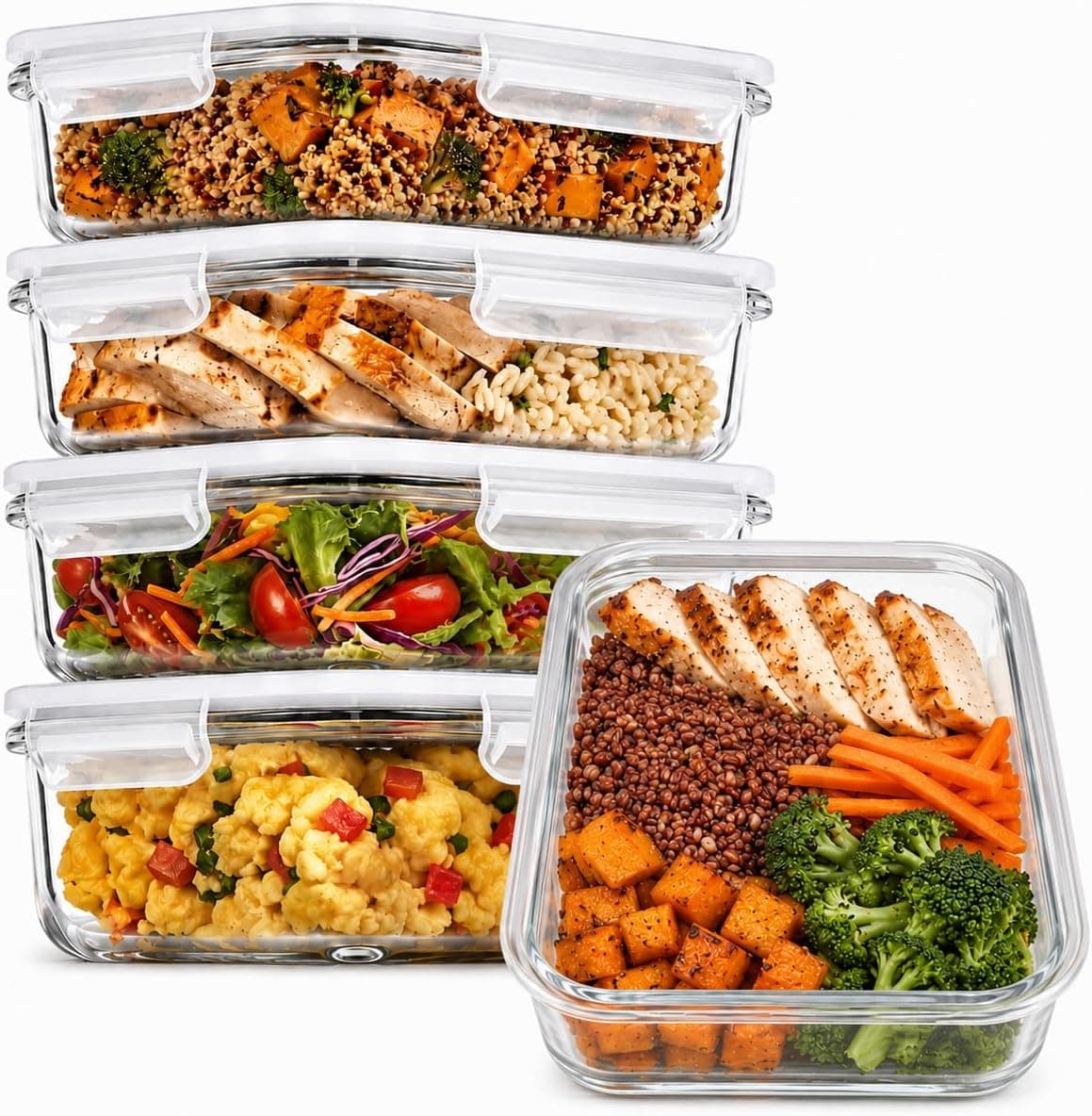
+ 30 oz capacity handles hearty dinners with room for a generous side
From our guide: Best Glass Food Storage Sets
+ Ten rectangle, ten round and six sauce-cup containers cover mains, sides and dressings in one purchase.
From our guide: Best Stackable Food Containers
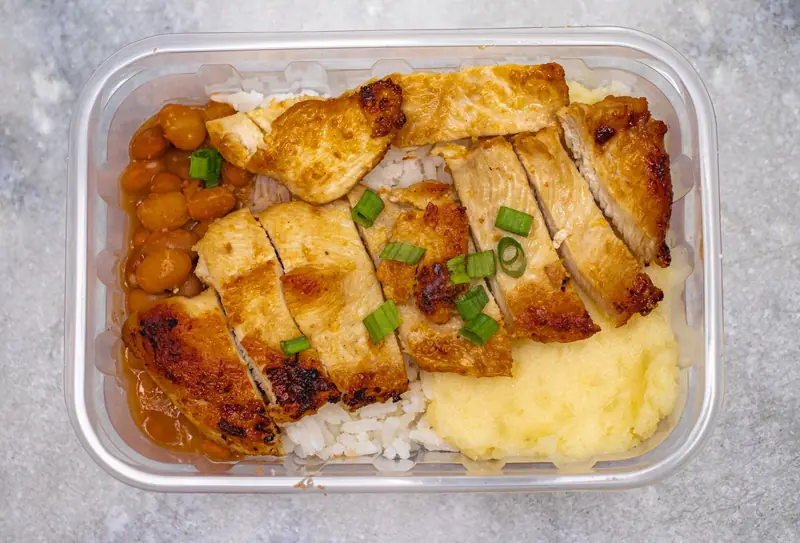
Start by picking one meal to prep rather than trying to cover everything at once. Lunch is a smart choice for most people because it is the meal that tends to get sabotaged by a busy workday. Choose a single protein, one or two vegetables, and a starch you already know you enjoy. When you prep a meal you actually like eating, you are far more likely to reach for it on day three instead of ordering takeout.
Next, write a short plan before you shop. Decide how many servings you need, list the ingredients, and check what you already have on hand. A written list keeps you focused in the store and cuts down on impulse buys and forgotten items. Aim for recipes that share ingredients so you are not buying eight different things you will use once and let wilt in the crisper drawer.
Set aside a block of time, usually one to two hours, and cook in a smart order. Get anything that roasts or bakes into the oven first, since it cooks hands-off while you work on the stovetop and chop vegetables. Rice, grains, and proteins can all run at the same time on different burners. This overlap is where meal prep saves you the most time compared to cooking each meal fresh.
Portion the food into containers once it has cooled a bit, and store most of it in the fridge. If you are prepping more than about four days of food, move the later portions to the freezer so nothing spoils before you get to it. Label containers with a piece of tape and the date so you always know what is oldest and should be eaten first.
Finally, treat your first attempts as experiments rather than tests you can fail. You will learn which foods hold up well, how much you actually eat in a sitting, and which flavors you get tired of quickly. Adjust the next week based on what you noticed. Within a month you will have a rhythm that fits your life, and the whole process will start to feel less like a project and more like a habit.
Popular right now
- Meal Prep Container Size ChartArticle
- Best Lunch Bags for Meal PrepBuying guide
- Best Insulated Lunch Boxes for Meal PrepBuying guide
- Best Glass Meal Prep ContainersBuying guide
- Freezer burn explainedGlossary
- Safe reheating temperature explainedGlossary
Based on the last 28 days of search and visitor data.