How to Store Meal Prep in the Freezer the Right Way
Published How we research
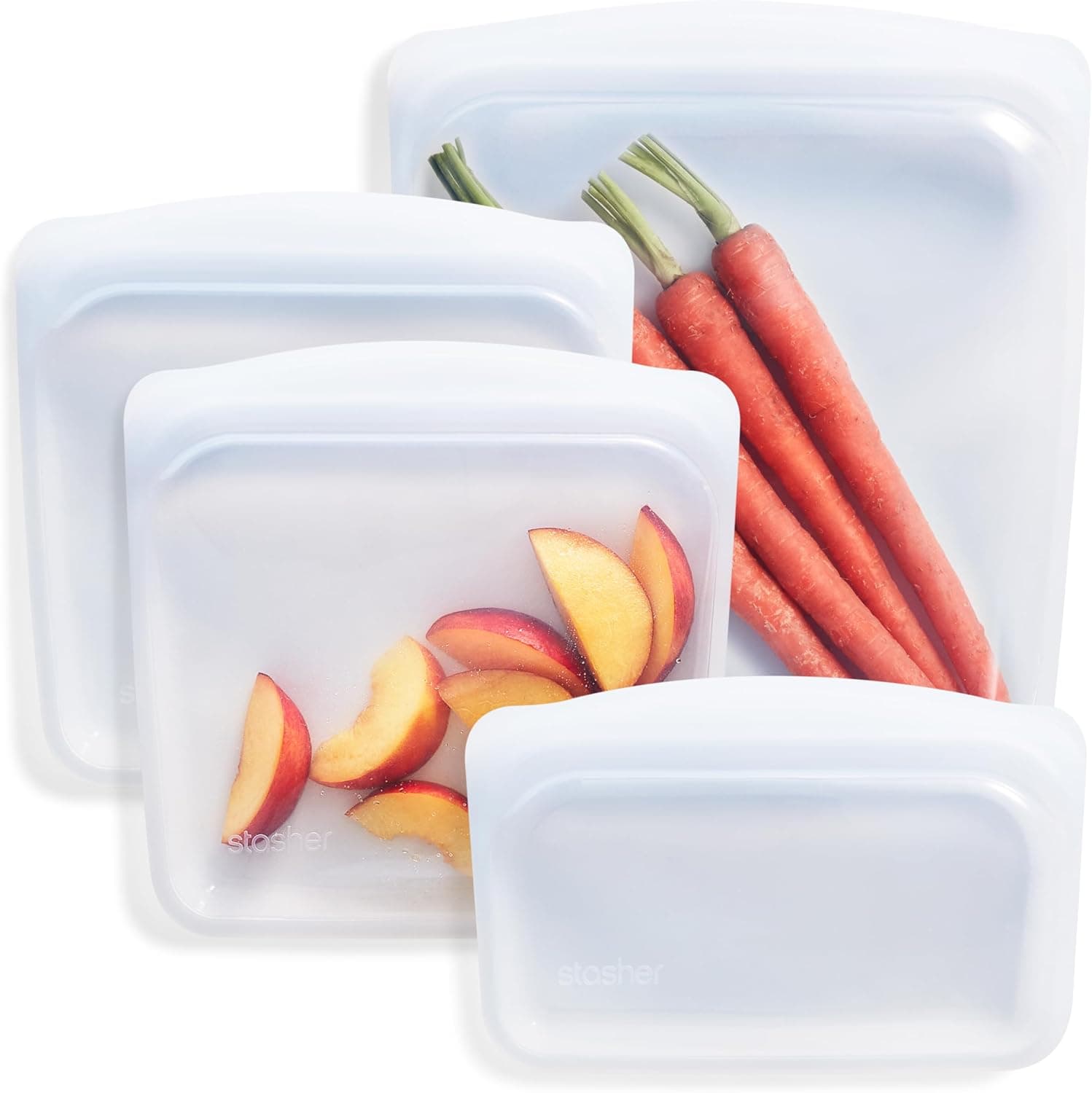
Cool food before freezing, either at room temperature briefly or spread on a sheet pan, to avoid stressing the freezer and partially thawing nearby items. Use freezer-safe containers or bags with minimal air, leaving space for liquids to expand, and flat-freeze portions to save space and speed thawing. Always label with dish name and date, aiming to eat frozen meals within two to three months. Soups, stews, and cooked proteins freeze beautifully, while leafy salads and cream sauces turn watery. Thaw in the fridge overnight for best texture, or reheat safely straight from frozen when needed. The freezer is a meal prepper's secret weapon. It lets you cook in bigger batches, extends how long your food stays good, and rescues you on the days you have zero energy to cook. But freezing food well takes a little more care than just shoving a container into the back and hoping. Done right, your meals come out tasting close to fresh instead of dried out and icy.
Products from this article
The highest-scoring picks from the buying guides this article links to. Scores are our editorial assessment, not customer ratings.
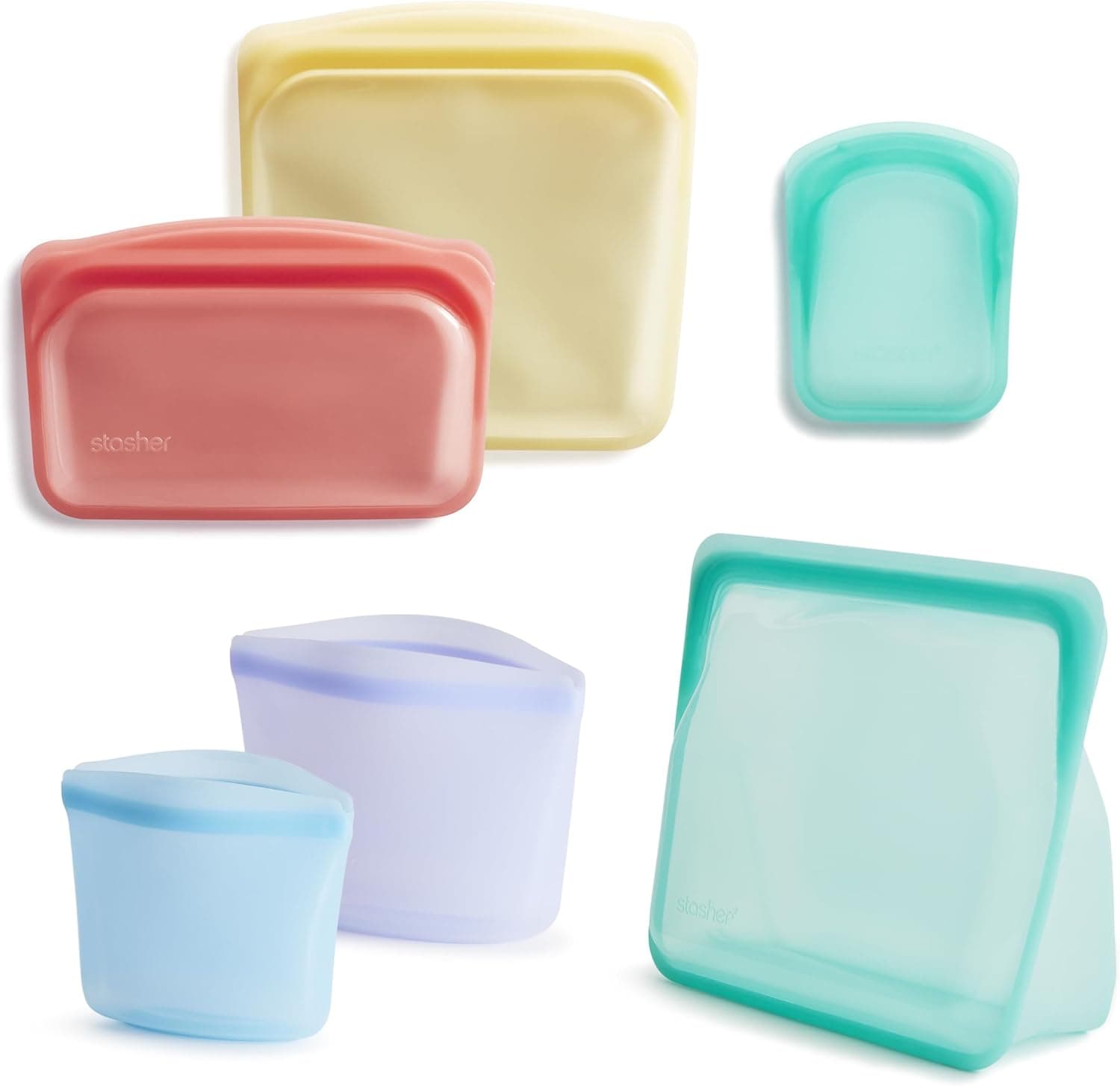
+ Six bags support a real switch away from single-use zip bags
From our guide: Best Silicone Food Storage Bags
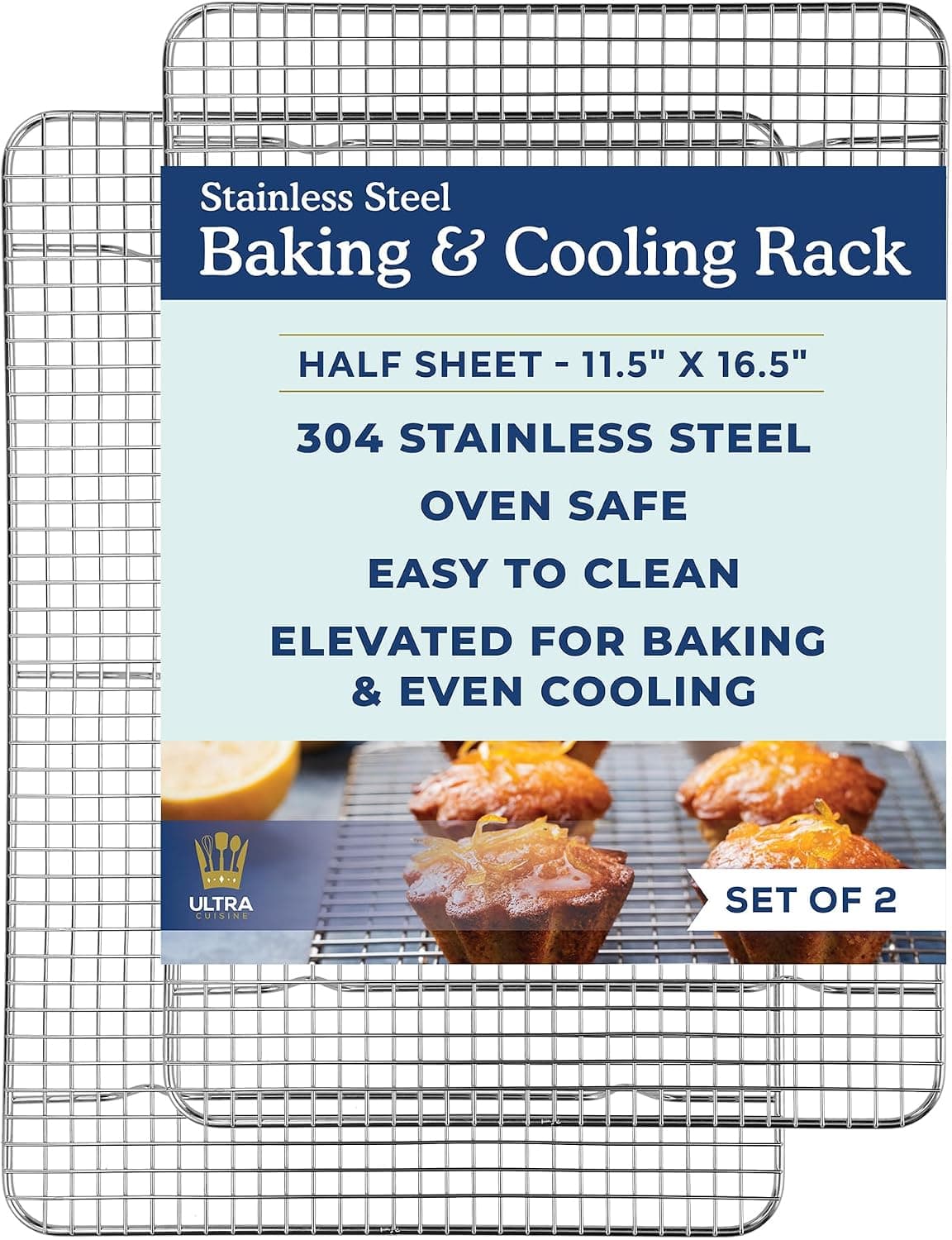
+ 100% stainless steel is oven safe for roasting on a raised rack
From our guide: Best Cooling Racks
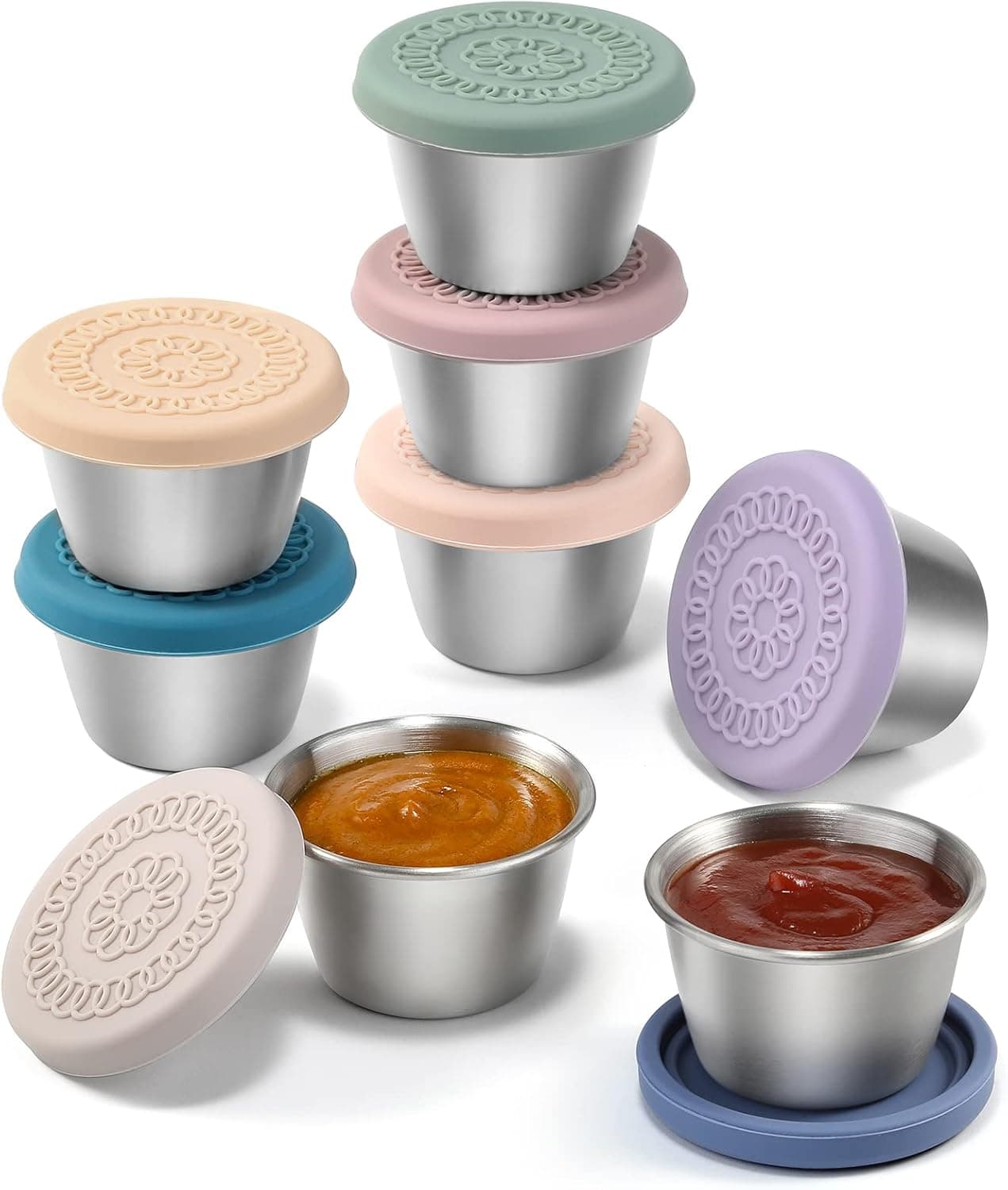
+ 2.4oz cups hold a proper serving of dressing or peanut sauce
From our guide: Best Condiment Containers
+ Stasher is the best-known name in reusable platinum silicone bags
From our guide: Best Silicone Food Storage Bags
Cool food before it goes into the freezer
Start by cooling food before it goes in. Placing hot containers directly into the freezer raises the internal temperature, which can partially thaw nearby items and stress your appliance. Let food cool at room temperature for a short while, or speed it up by spreading it on a sheet pan, then refrigerate until chilled before transferring to the freezer. Getting food through the danger zone quickly also keeps it safer to eat.
Choosing the right container matters a great deal
Choosing the right container matters a great deal. Use freezer-safe containers or heavy-duty freezer bags, and fill them with as little air as possible, since air is what causes freezer burn and off flavors. Leave a small gap at the top of liquids like soups and sauces because they expand as they freeze. Flat-freezing portions in bags saves space and lets them thaw faster than a thick block.
Labeling is not optional if you want to use it
Labeling is not optional if you want to actually use what you freeze. Write the dish name and the date it went in, because frozen meals become anonymous lumps within days. A good rule is to eat frozen prepared meals within roughly two to three months for the best quality, so knowing the date helps you rotate older items to the front and use them first.
Some foods freeze beautifully and others do not
Some foods freeze beautifully and others do not. Soups, stews, chilis, cooked grains, casseroles, cooked proteins, and sauces are excellent freezer candidates. Foods with high water content or delicate textures struggle more, so leafy salads, raw crisp vegetables, cream-based sauces, and cooked pasta can turn watery or mushy after thawing. If you love a dish that does not freeze well, prep its components separately and assemble fresh.
Thaw safely for the best texture and food safety
When it is time to eat, thaw safely for the best texture and food safety. Moving a meal from the freezer to the fridge the night before is the gentlest method and keeps the food out of the danger zone. If you forgot, you can reheat many meals straight from frozen on the stovetop or in the microwave, just stir often and make sure the center gets thoroughly hot. A well-managed freezer turns a single cooking session into weeks of ready meals.
Frequently asked questions
Can I put hot food straight into the freezer? No, let it cool at room temperature briefly or spread it on a sheet pan and refrigerate first, since hot containers can partially thaw nearby items and stress the freezer.
How long does frozen meal prep stay good? A good rule is to eat frozen prepared meals within roughly two to three months for the best quality, since flavor and texture fade with longer storage.
What foods don't freeze well for meal prep? Foods with high water content or delicate textures, such as leafy salads, raw crisp vegetables, cream-based sauces, and cooked pasta, which can turn watery or mushy after thawing.
What is the safest way to thaw frozen meal prep? Moving the meal from the freezer to the fridge the night before is the gentlest method and keeps food out of the temperature danger zone.
Popular right now
- Meal Prep Container Size ChartArticle
- Best Lunch Bags for Meal PrepBuying guide
- Best Insulated Lunch Boxes for Meal PrepBuying guide
- Best Glass Meal Prep ContainersBuying guide
- Freezer burn explainedGlossary
- Safe reheating temperature explainedGlossary
Based on the last 28 days of search and visitor data.