Keeping Produce Fresh
Published How we research
Nothing sabotages a meal prep budget quite like a crisper drawer full of slime and a fruit bowl of fuzzy regret. Produce is often the most expensive and the most perishable part of eating well, and knowing how to store it properly can easily double how long it lasts. The core idea is that different fruits and vegetables want different conditions, so a one-size-fits-all approach in the fridge guarantees that half of it spoils before you get to it.
Products from this article
The highest-scoring picks from the buying guides this article links to. Scores are our editorial assessment, not customer ratings.
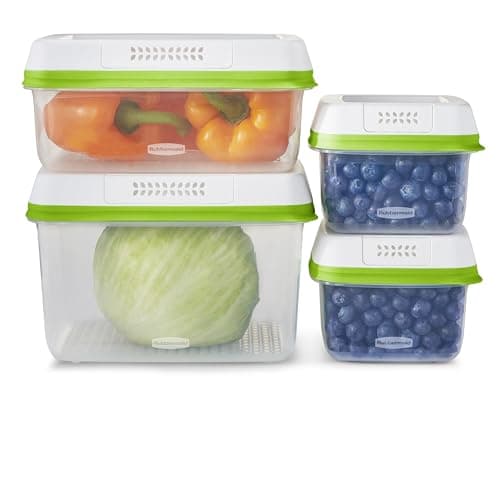
+ Built-in FreshVent filter regulates oxygen and carbon dioxide, and the listing says it needs no refills
From our guide: Best Produce Keepers for Meal Prep
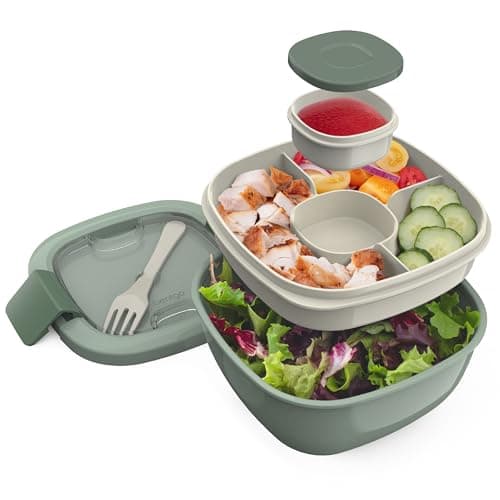
+ Complete kit in one stack: 54 oz bowl, 4-compartment tray, sauce container, reusable fork and cutlery cover
From our guide: Best Salad Containers
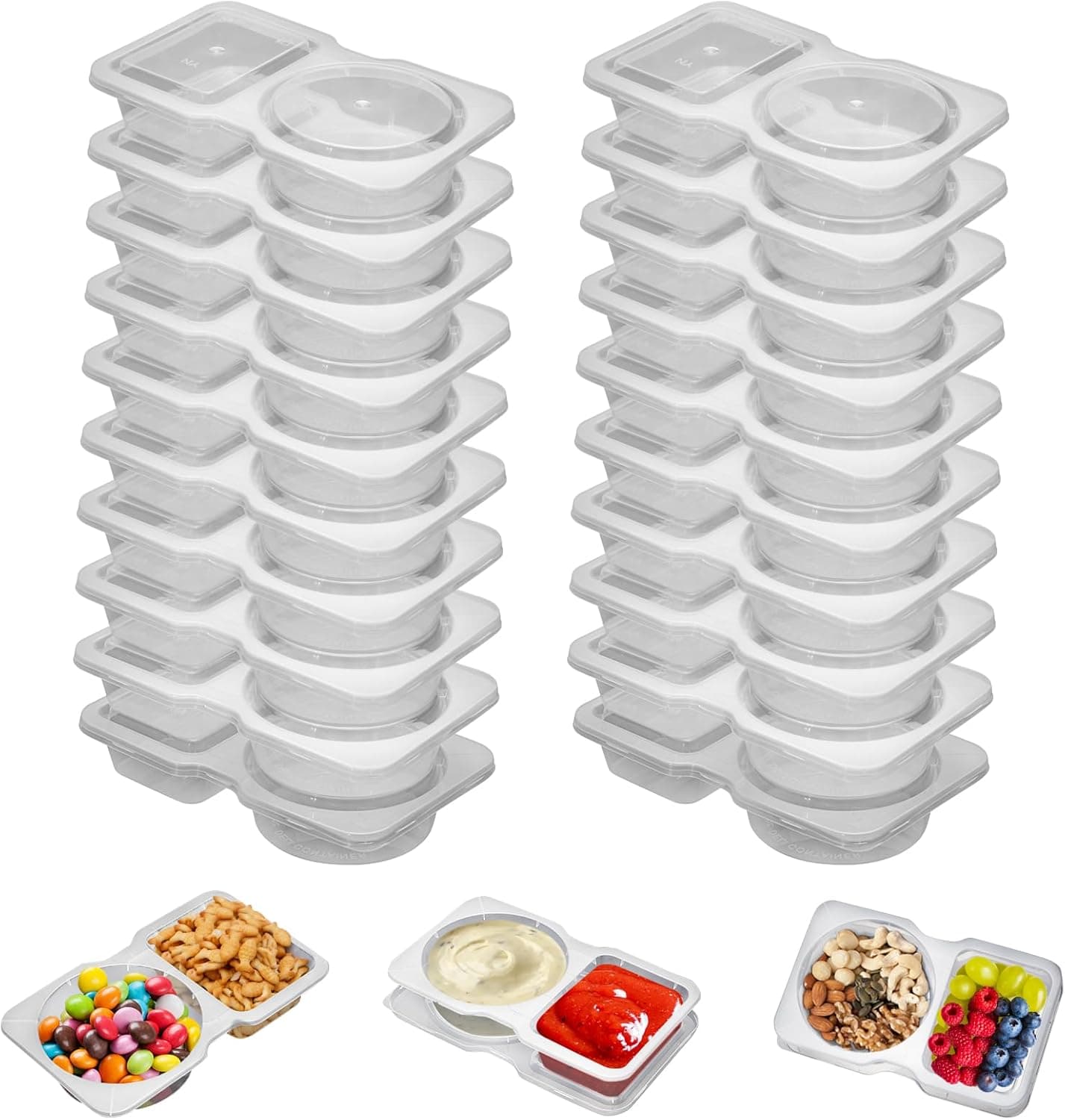
+ Two compartments keep dips apart from carrots or pretzels
From our guide: Best Snack Containers
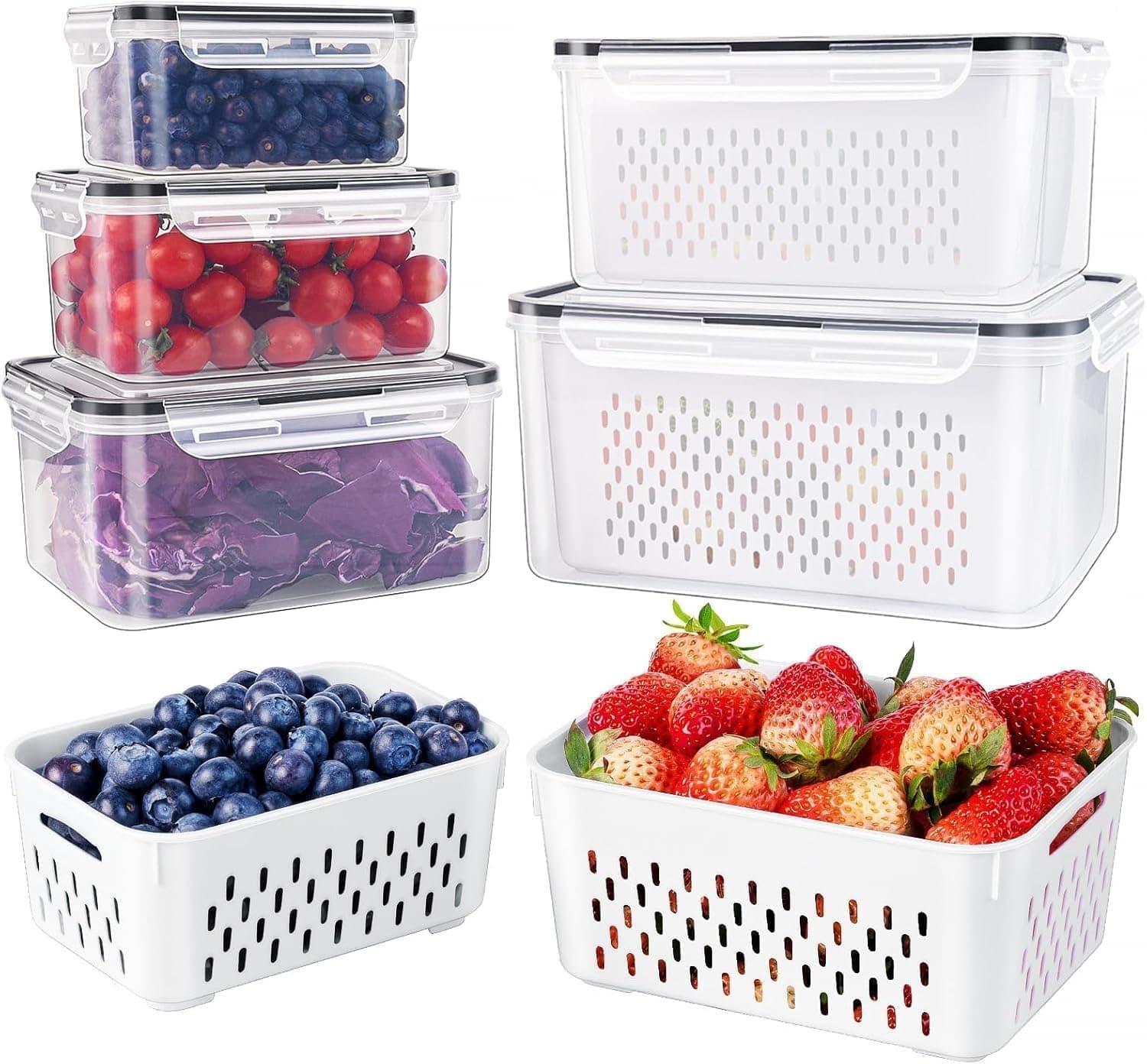
+ Removable colander lets you rinse and store in one container
From our guide: Best Produce Keepers for Meal Prep
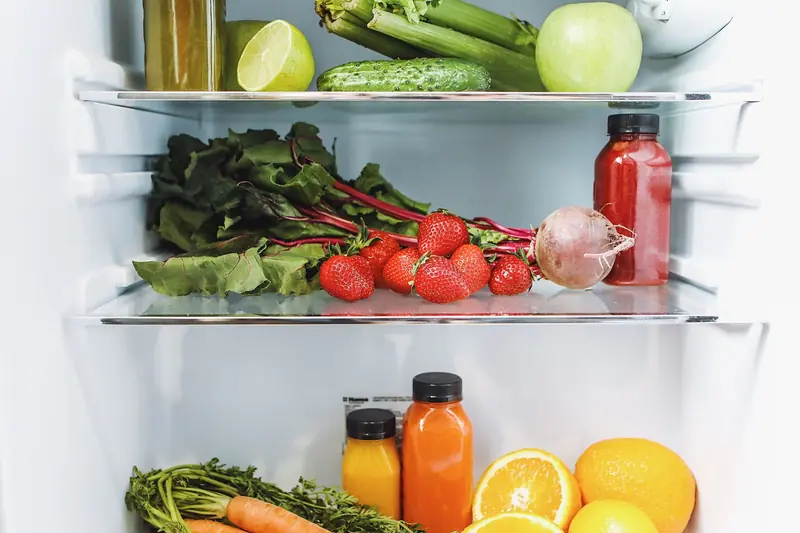
The first rule is to learn which items belong on the counter and which belong in the fridge. Tomatoes, bananas, potatoes, onions, garlic, and whole melons prefer room temperature, and refrigeration actually harms their flavor or texture. Most leafy greens, berries, broccoli, carrots, and herbs, on the other hand, last far longer in the cold. Storing counter fruit in the fridge and fridge produce on the counter is a quiet, common way people shorten the life of their groceries without realizing it.
Ethylene gas is the invisible culprit behind a lot of premature spoilage. Certain fruits, notably apples, bananas, avocados, and tomatoes, release ethylene as they ripen, and that gas speeds the ripening and decay of nearby produce. Keep these ethylene producers away from sensitive items like leafy greens, broccoli, and berries. Simply separating your bananas from your salad greens can add days to the greens, and storing an unripe avocado next to a banana can helpfully speed it up when you want the opposite effect.
Moisture management is a balancing act, because too much causes rot and too little causes wilting. Leafy greens and herbs stay crisp when stored with a bit of moisture but good airflow, often wrapped loosely in a paper towel that absorbs excess water inside a container or bag. Berries, by contrast, hate moisture and mold quickly, so wait to wash them until right before eating and store them dry in a ventilated container. A quick vinegar-and-water rinse followed by thorough drying can extend berries noticeably.
How you prep produce for the week affects its lifespan too. Washing and chopping everything on prep day is convenient, but cut surfaces spoil faster, so it is a trade-off. Sturdy vegetables like carrots, celery, and peppers hold up well when pre-cut and even stay crisp submerged in water in the fridge. More delicate items are best left whole until you need them. If you do pre-cut greens for salads, that paper towel trick to wick away moisture keeps them from turning to mush by midweek.
Finally, use your freezer and your eyes to fight waste. Vegetables sliding toward the end of their life can be frozen for soups, stir-fries, and smoothies before they turn, rescuing food you would otherwise toss. Position older items at the front of the fridge so you reach for them first, and do a quick check every few days to catch anything on the edge. A little organization turns produce from your biggest source of waste into one your meal prep can actually rely on.
Popular right now
- Meal Prep Container Size ChartArticle
- Best Lunch Bags for Meal PrepBuying guide
- Best Insulated Lunch Boxes for Meal PrepBuying guide
- Best Glass Meal Prep ContainersBuying guide
- Freezer burn explainedGlossary
- Safe reheating temperature explainedGlossary
Based on the last 28 days of search and visitor data.