Portion Control Guide
Published How we research
Portion control is one of the quiet superpowers of meal prep. When you decide serving sizes in advance, calmly and consistently, you sidestep the biggest driver of overeating, which is serving yourself while hungry and eating straight from the pan. You do not need to weigh every gram or track obsessively. A handful of simple methods gets you most of the benefit with far less effort.
The plate method is the easiest visual framework. Picture your container divided into sections: fill about half with vegetables, roughly a quarter with protein, and the remaining quarter with a starch or grain. Add a small amount of healthy fat like oil, cheese, or avocado. This ratio naturally balances your meal, keeps calories reasonable through the vegetable volume, and works without any numbers at all.
Your own hand is a portable measuring tool that scales to your body. A palm-sized portion of protein, a cupped handful of carbohydrates, a fist of vegetables, and a thumb of fats gives you a quick estimate anywhere, no scale required. Because a bigger person tends to have bigger hands, this method roughly adjusts portions to individual needs, which makes it more forgiving than a single fixed serving size for everyone.
Containers themselves can do the work for you. Using the same size container for every meal keeps your portions consistent from day to day without thinking about it. Smaller containers naturally cap how much you serve, and dividing food into individual portions during prep means you only face one serving at a time rather than an open batch that invites seconds. This structure removes a decision you would otherwise make while hungry.
Beyond structure, a few habits sharpen your sense of a right-sized meal. Eating slowly gives your body time to register fullness, which usually takes a little while to catch up. Drinking water with meals and starting with the vegetables can take the edge off hunger before you reach the richer parts of the plate. Pay attention to how you feel a few hours later, since a portion that leaves you starving or stuffed is a signal to adjust next time.
Finally, treat portion control as personal calibration, not a rigid rulebook. The right amount of food depends on your size, activity, and goals, and it will shift over time. Use these methods as a starting point, then observe your energy, hunger, and results and tune from there. The aim is not to eat as little as possible but to match your intake to your needs, and prepping in portioned containers makes that steady, effortless, and easy to sustain.
Products from this article
The highest-scoring picks from the buying guides mentioned above. Scores are our editorial assessment, not customer ratings.
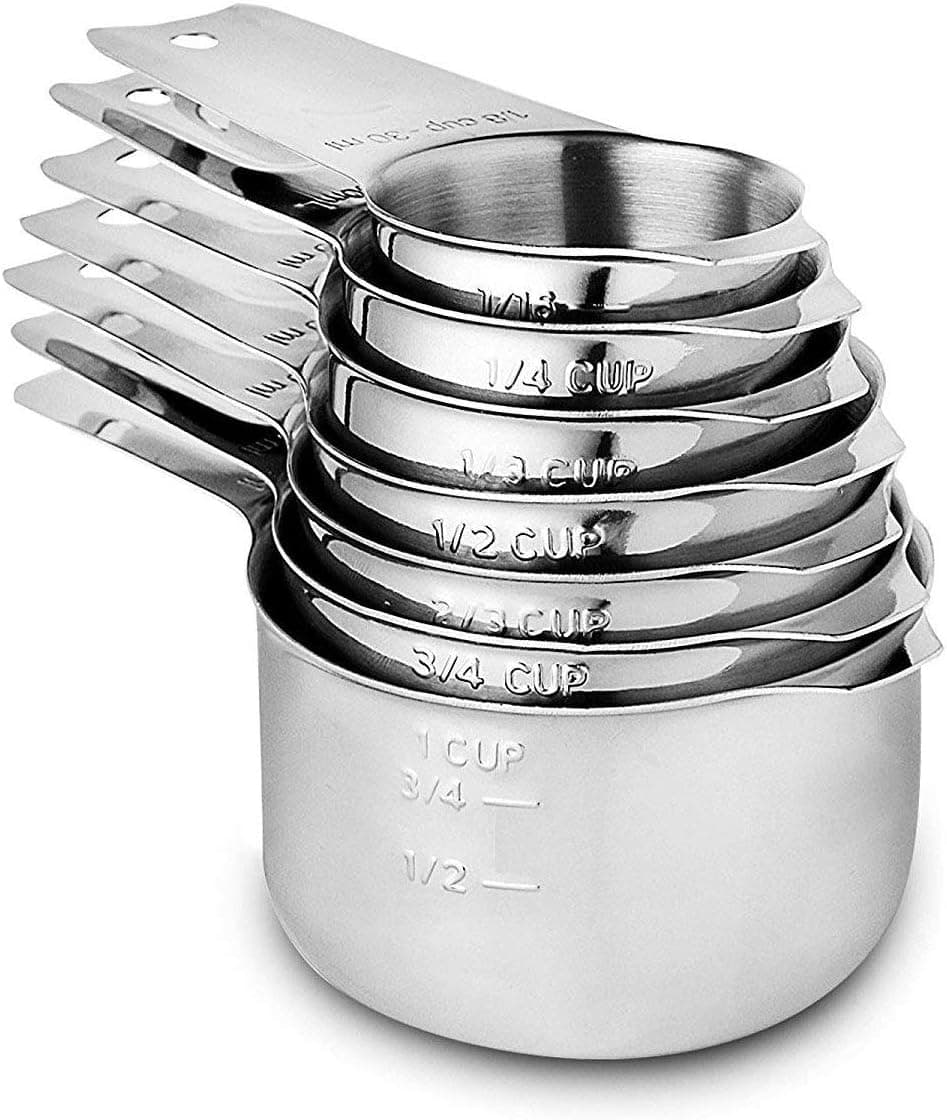
+ Set of seven includes in-between sizes for precise portions
From our guide: Best Measuring Cups for Meal Prep
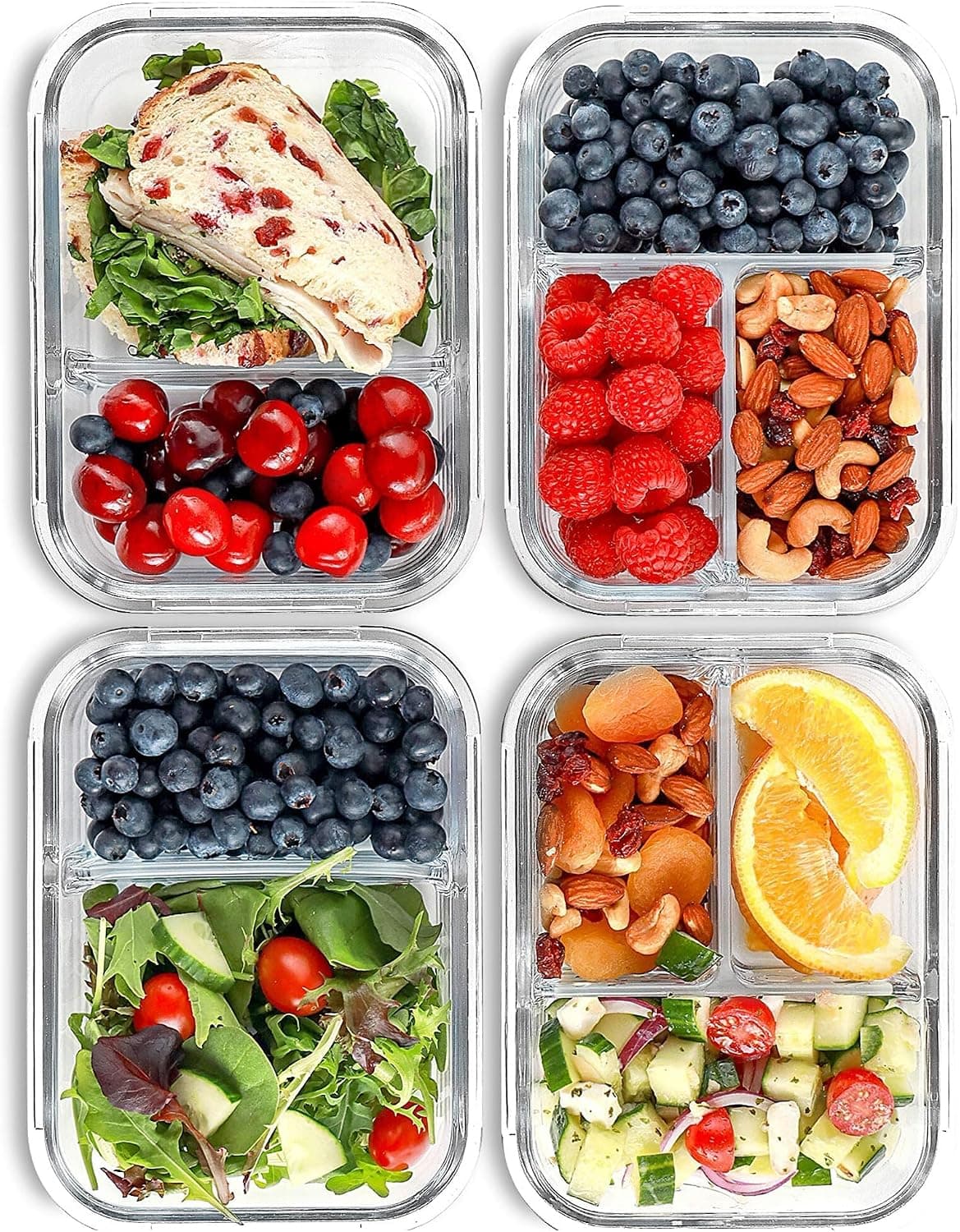
+ Mix of 2 and 3 compartment bases suits both simple and balanced meals
From our guide: Best Portion Control Containers
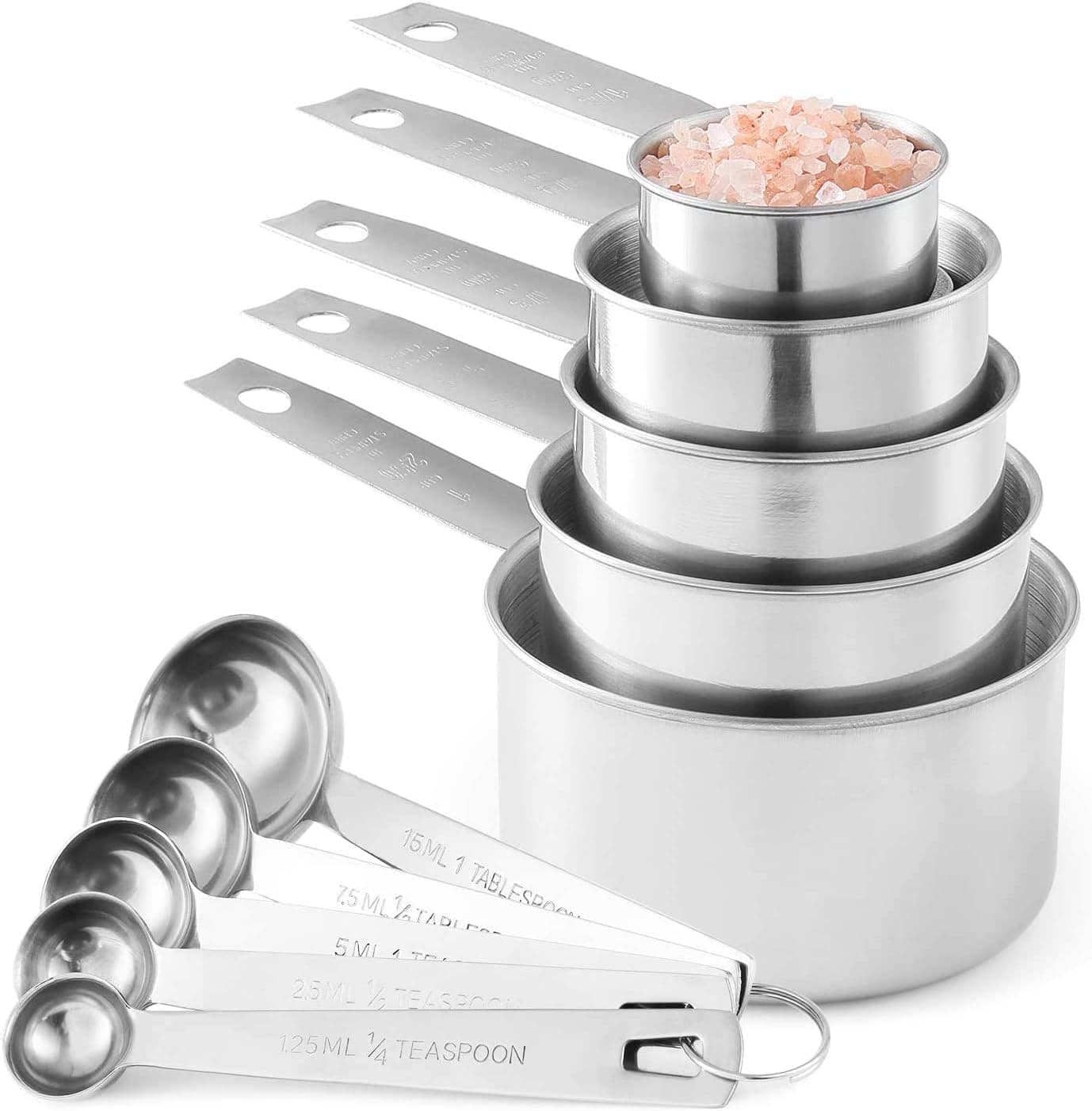
+ Cups and spoons together cover most recipe measurements
From our guide: Best Measuring Cups for Meal Prep
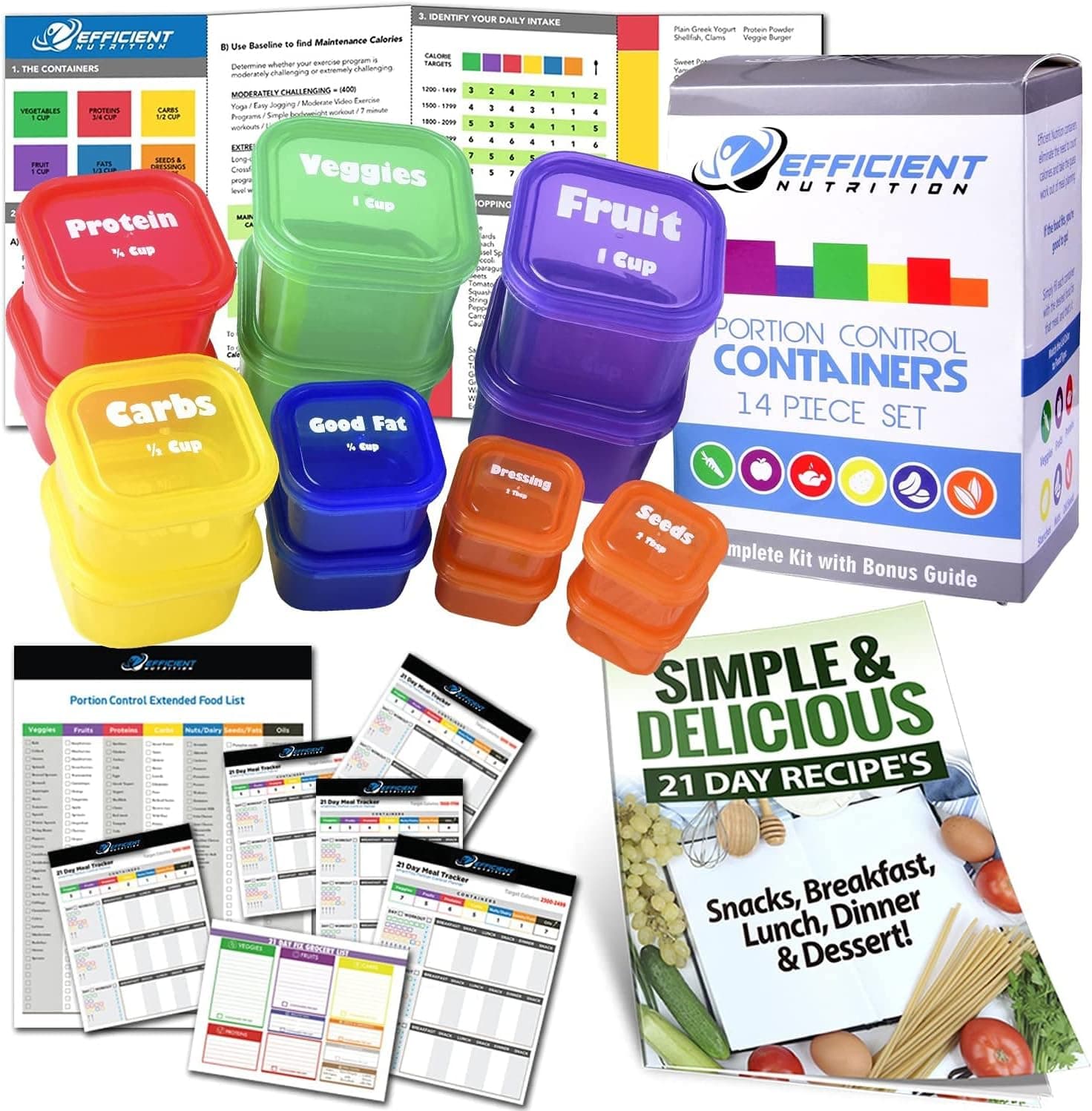
+ Color-coded containers make each food group portion quick to measure
From our guide: Best Portion Control Containers
Popular right now
- Meal Prep Container Size ChartArticle
- Best Insulated Lunch Boxes for Meal PrepBuying guide
- Best Lunch Bags for Meal PrepBuying guide
- Best Salad ContainersBuying guide
- Batch Cooking ChickenArticle
- The Best Foods for Meal Prep That Actually Hold UpArticle
Based on the last 28 days of search and visitor data.