Prepping Lunches for Work
Published How we research
The workday lunch is where meal prep pays off most obviously, because it is the meal most likely to be skipped, bought on impulse, or eaten sadly at a desk out of a crinkled bag. A little planning turns that daily gamble into a reliable, satisfying break. The trick is designing lunches specifically for the realities of the office, where you may have a shared microwave, a fridge you do not fully trust, or no reheating option at all.
Start by deciding whether your lunches need reheating. Plenty of excellent work lunches are meant to be eaten cold or at room temperature, which sidesteps the microwave queue entirely. Grain bowls with roasted vegetables, pasta salads, wraps, bean salads, and hearty green salads all travel well and taste good without heat. If you do have a microwave, saucy dishes like curries, chili, and stir-fries reheat beautifully, but having a few no-reheat options in your rotation keeps you covered on chaotic days.
Assembly order is the secret to lunches that still look appealing at noon. The enemy is a soggy salad or a wrap that has turned to paste after five hours against a wet filling. Keep wet and dry components separate until you eat, packing dressing in a small container to add later, and layering sturdier ingredients at the bottom of a jar with delicate greens on top. For wraps, a barrier of lettuce or a smear of hummus between the tortilla and any moist filling keeps the bread from going limp.
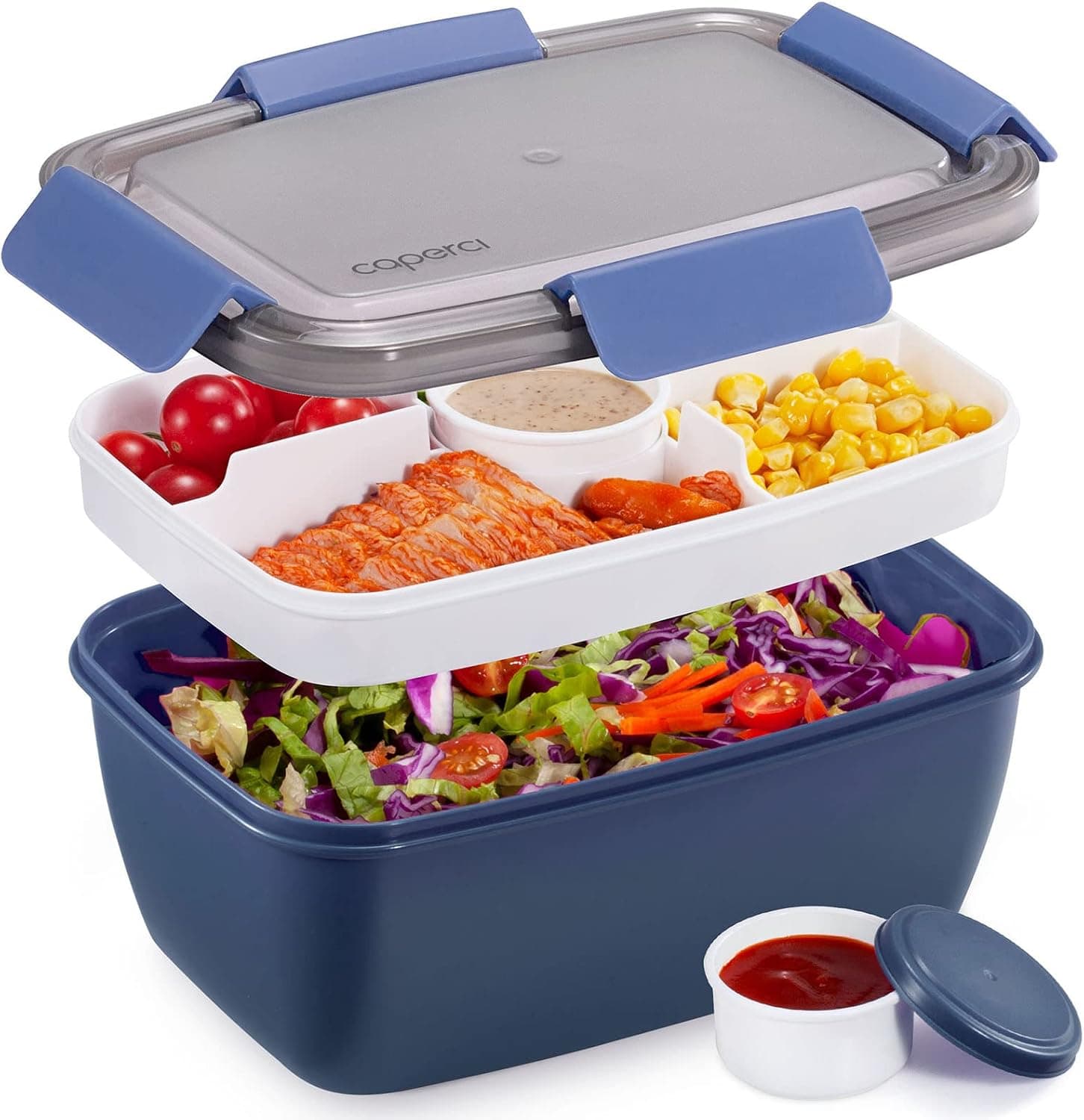
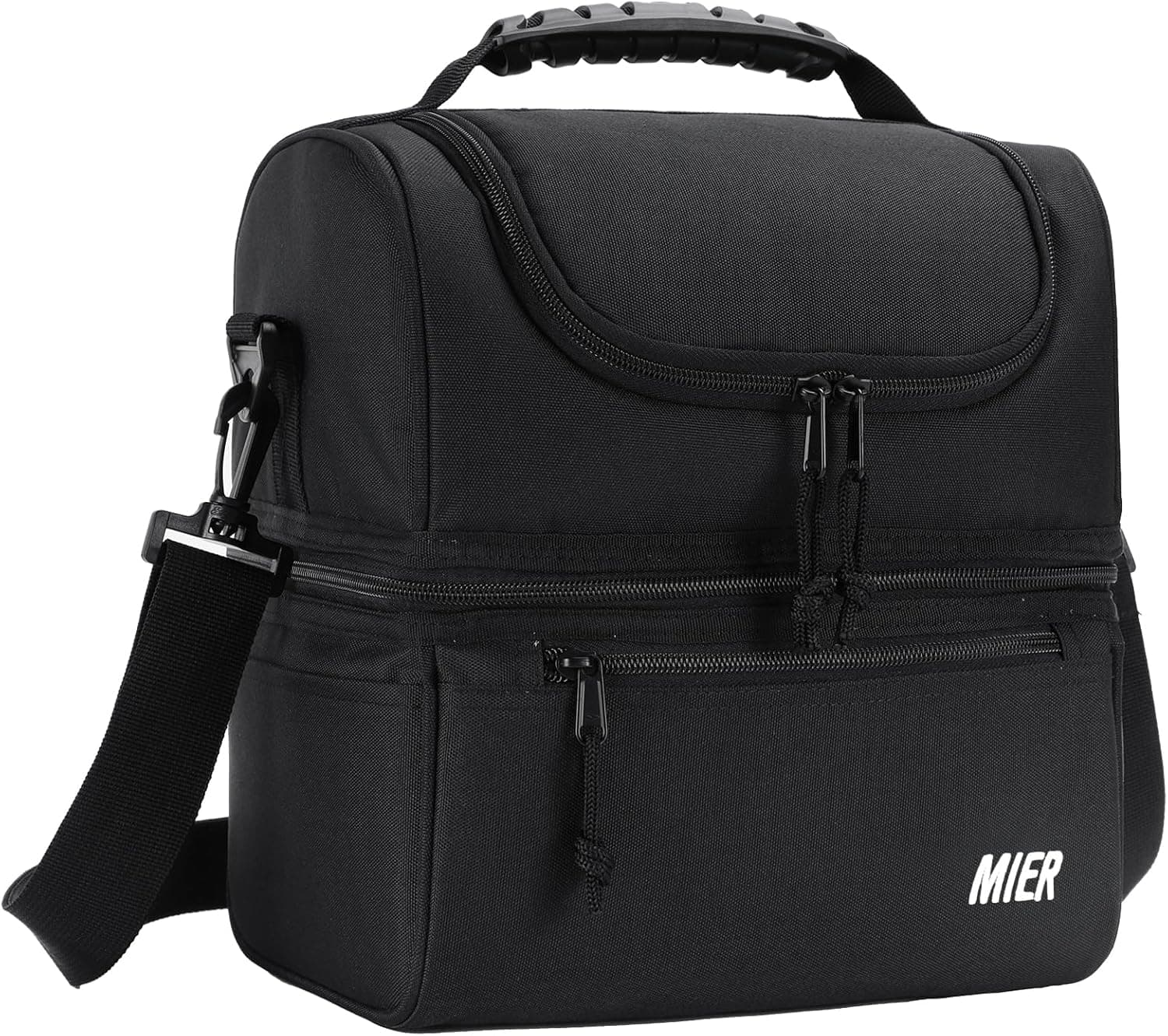
Packing gear makes or breaks the commute. A leak-proof container with a gasket lid is non-negotiable if the meal has any liquid, because nothing kills the habit faster than curry spilled across your bag. Divided containers shine for work lunches, letting you keep crackers crisp, dressing aside, and components distinct. If your office fridge is unreliable or nonexistent, an insulated lunch bag with a small ice pack keeps food safely below the danger zone until you eat.
Variety keeps you from abandoning the whole effort by Wednesday. Eating the identical container five days running is the fastest route to lunch burnout and a return to buying overpriced sandwiches. Prepping components rather than fully assembled meals helps here, since a batch of grain, a batch of protein, and a few vegetables and sauces can be mixed into different combinations each day. Even small changes, a different dressing or a new topping, make a repeated base feel fresh.
Build the routine around your real schedule rather than an idealized one. If Sunday prep for five days feels like too much, prep for three days and do a quick refresh midweek. If mornings are calm, a partial assembly the night before might suit you better than a big weekend session. The best work-lunch system is the one that consistently gets a good meal onto your desk, so shape it around your life and it will keep paying you back every single afternoon.
Products from this article
The highest-scoring picks from the buying guides mentioned above. Scores are our editorial assessment, not customer ratings.
+ 68oz bowl fits a full meal-size salad with room to toss
From our guide: Best Salad Containers
+ Double deck layout separates hot and cold meals
From our guide: Best Insulated Lunch Boxes for Meal Prep
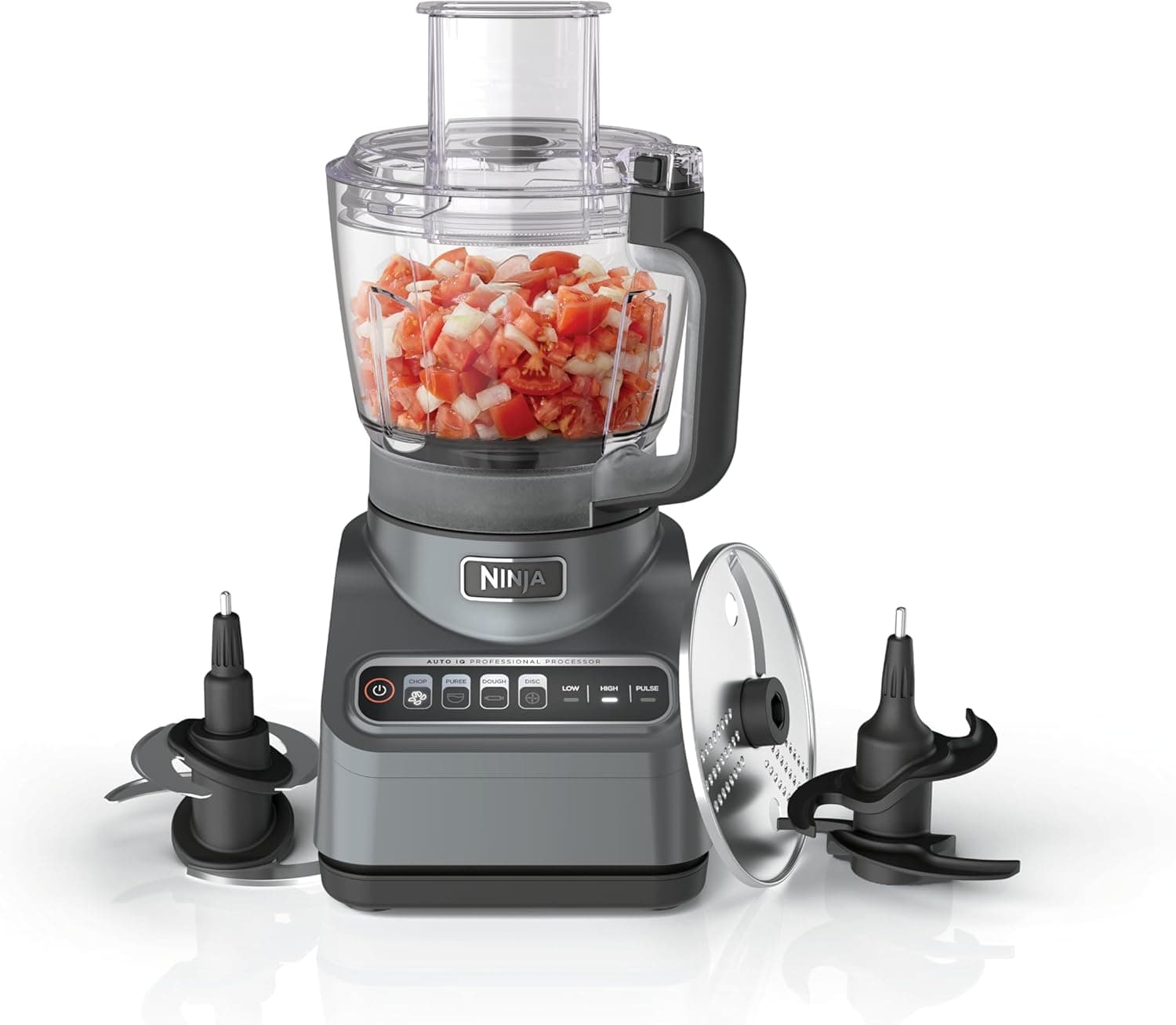
+ 1000W motor handles dense doughs and big vegetable batches
From our guide: Best Food Processors
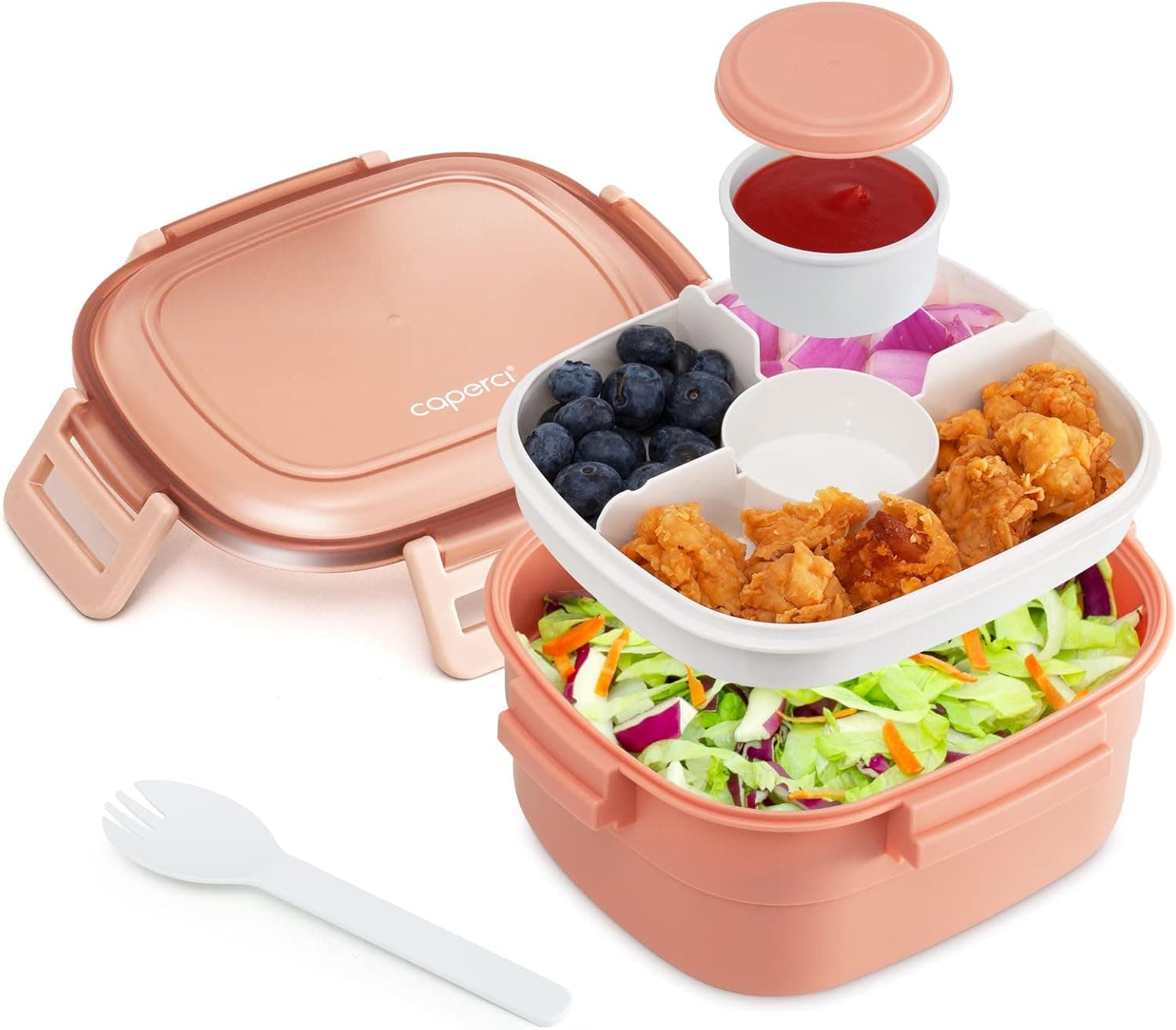
+ Spork included, so salad lunches need no extra cutlery
From our guide: Best Salad Containers
Popular right now
- Meal Prep Container Size ChartArticle
- Best Insulated Lunch Boxes for Meal PrepBuying guide
- Best Lunch Bags for Meal PrepBuying guide
- Best Salad ContainersBuying guide
- Batch Cooking ChickenArticle
- The Best Foods for Meal Prep That Actually Hold UpArticle
Based on the last 28 days of search and visitor data.