How to Stop Meal Prep From Getting Soggy
Published How we research
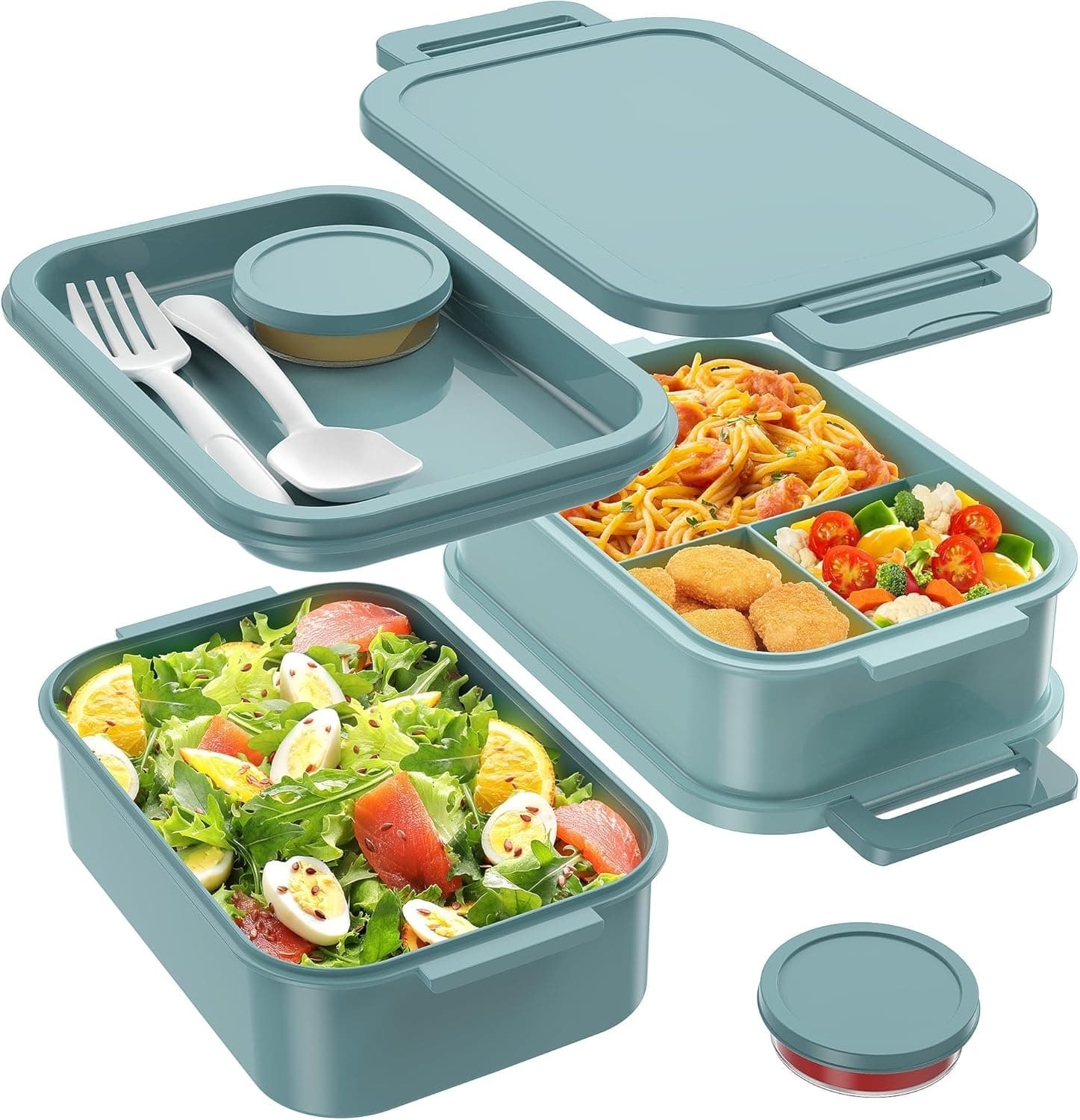
Meal prep that looks great on Sunday often turns soggy by midweek. Steam trapped in containers, sauces soaking into grains and vegetables cooked too long all break down texture in the fridge. The good news is that most sogginess comes from a few fixable habits, and small changes in how you cook, cool and pack make the last meal of the week nearly as good as the first.
Cool food before sealing
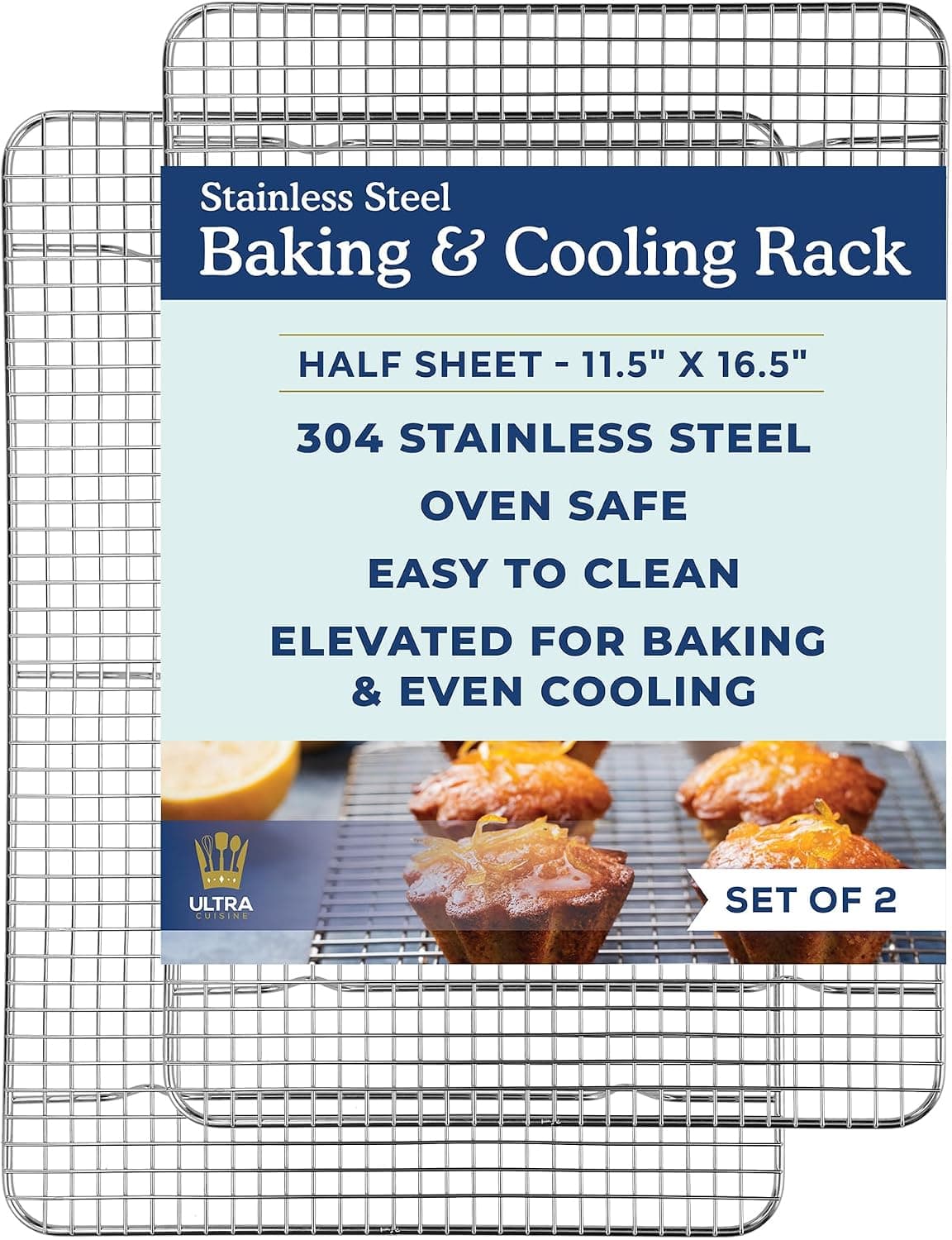
Putting lids on hot food traps steam, which condenses into water and soaks into rice, roasted vegetables and breaded proteins. Spread cooked food on a sheet pan or cooling rack so it releases steam quickly, then pack it once it stops steaming.
For food safety, do not leave cooked food at room temperature for more than two hours. Shallow layers cool quickly, so you can usually portion within 20-30 minutes and refrigerate right away.
Undercook vegetables slightly
Vegetables keep softening as they sit and again when you reheat them. Roast or steam them until just tender with a little bite left, especially broccoli, green beans, zucchini and peppers.
Sturdy vegetables such as carrots, cabbage, sweet potatoes and Brussels sprouts hold texture far better over several days than delicate ones like spinach or summer squash, which are better added fresh or cooked on the day.
Keep sauces and wet ingredients separate
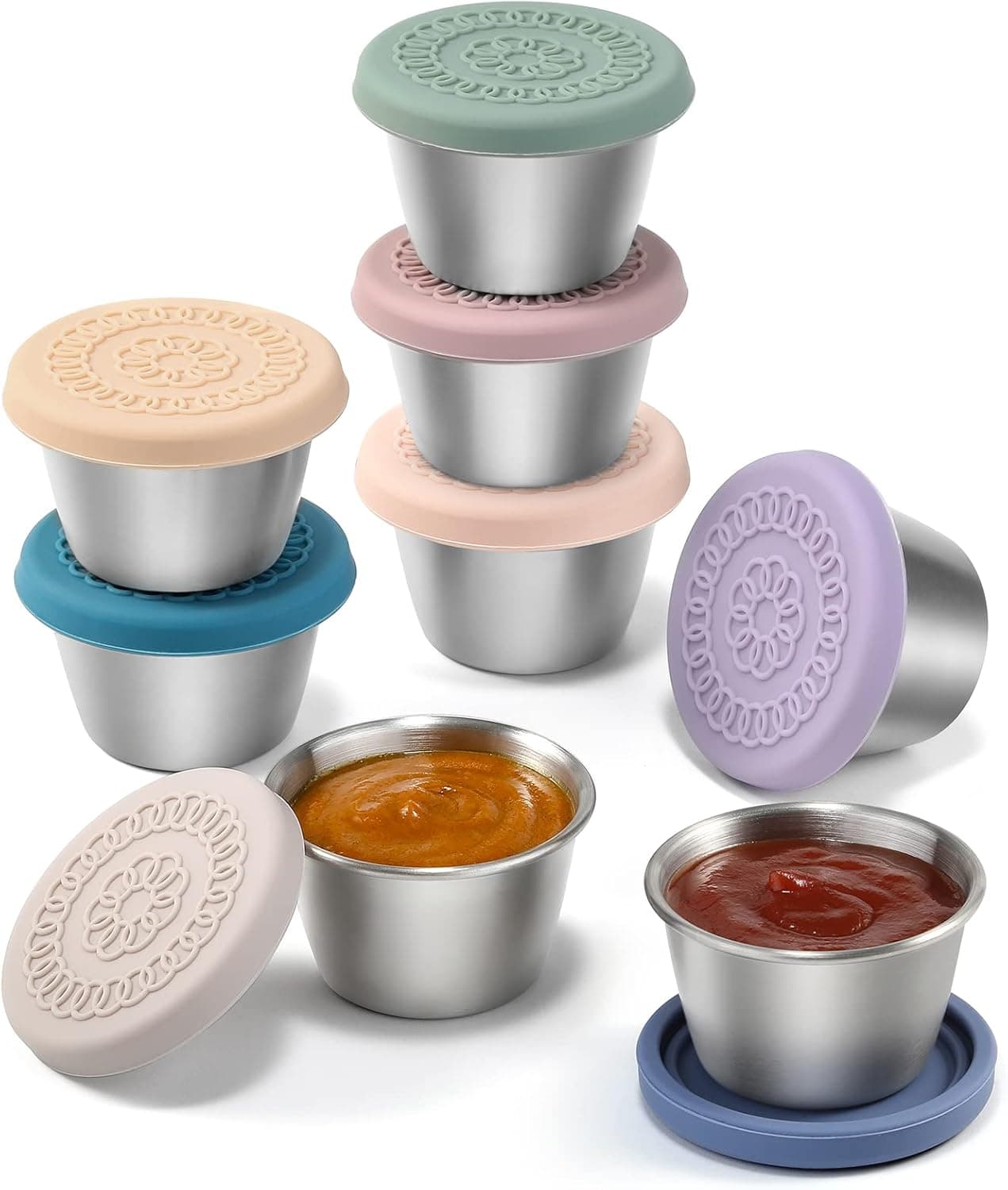
Dressings, sauces and salsas soak into grains, pasta and crispy coatings overnight. Pack them in small condiment containers and add them just before eating.
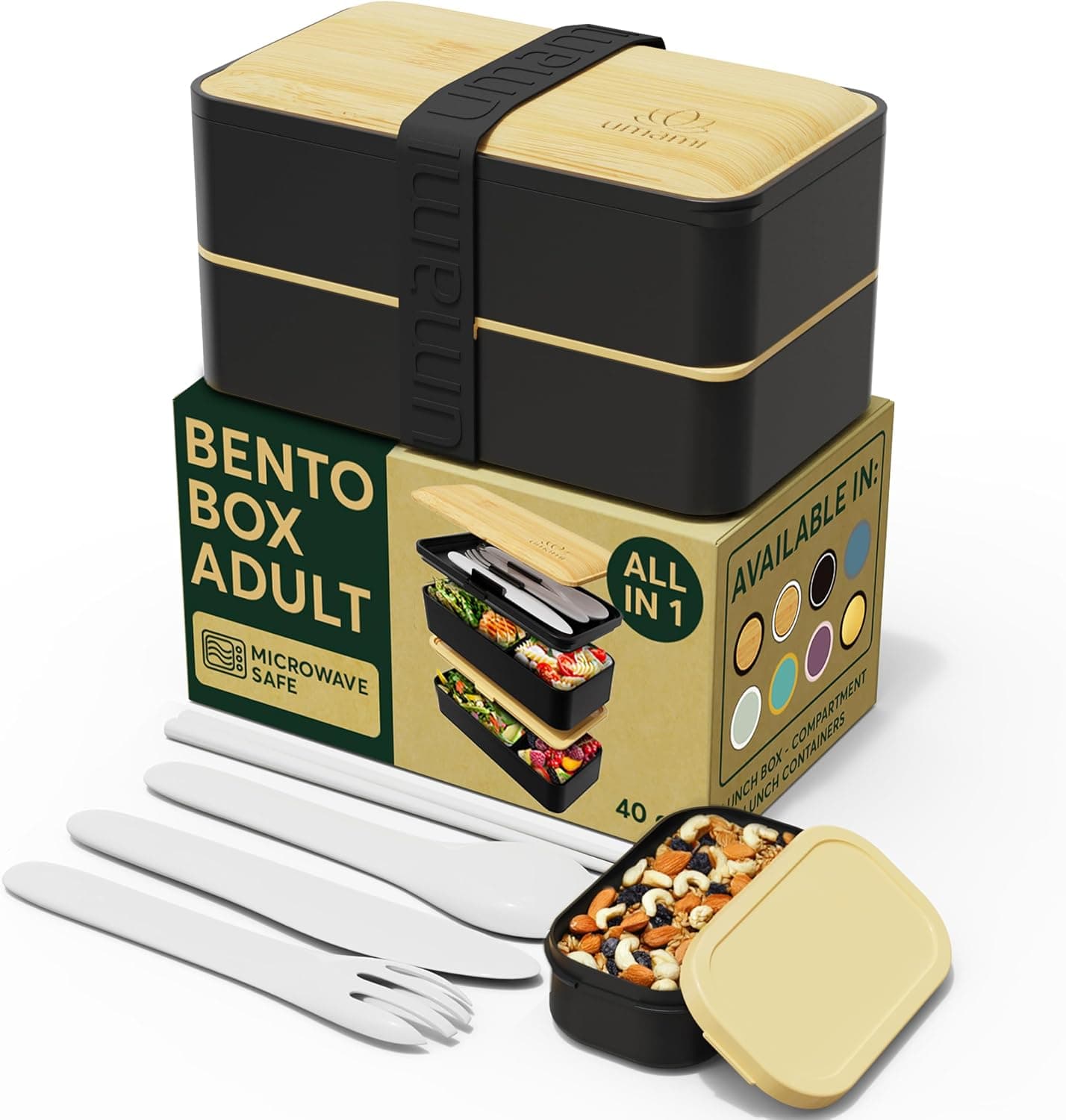
Bento-style containers with separate compartments keep juicy ingredients such as tomatoes, cucumbers and fruit away from crackers, grains and proteins. For salads in jars, put the dressing at the bottom, hardy vegetables next and greens on top.
Choose the right grains and pasta
Rice and pasta absorb liquid as they sit. Cook pasta a minute or two short of al dente and toss it lightly with oil, and rinse cooked grains like quinoa briefly or spread them out to cool so they do not clump and turn mushy.
Brown rice, farro and barley hold up better over several days than soft white rice and small pasta shapes. If you like crispy components, such as roasted chickpeas or croutons, store them separately at room temperature.
Reheat for texture
Microwaving everything together makes crisp food soft and steams vegetables further. Where possible, reheat roasted vegetables and proteins in an air fryer or toaster oven for a few minutes to restore crispness.
When using a microwave, leave the lid slightly open to let steam escape and stir halfway through. Prep a couple of meals for the second half of the week in the freezer, which stops them from breaking down in the fridge.
Products from this article
The highest-scoring picks from the buying guides mentioned above. Scores are our editorial assessment, not customer ratings.
+ Sauce jar keeps dressings and dips separate until mealtime
From our guide: Best Bento Boxes
+ 2.4oz cups hold a proper serving of dressing or peanut sauce
From our guide: Best Condiment Containers
+ 100% stainless steel is oven safe for roasting on a raised rack
From our guide: Best Cooling Racks
+ Three stacking layers keep a main, side and snack in separate tiers
From our guide: Best Bento Boxes
Popular right now
- Meal Prep Container Size ChartArticle
- Best Insulated Lunch Boxes for Meal PrepBuying guide
- Best Lunch Bags for Meal PrepBuying guide
- Best Salad ContainersBuying guide
- Batch Cooking ChickenArticle
- The Best Foods for Meal Prep That Actually Hold UpArticle
Based on the last 28 days of search and visitor data.