How to Prep School Lunches for the Whole Week
Published How we research
The first weeks of the school year quickly show how much time packing lunches takes on busy mornings. Prepping components once or twice a week turns daily lunch packing into a few minutes of assembly. The key is choosing foods that hold up for several days, keeping them at safe temperatures and letting kids choose from a set of prepared options.
Plan a simple lunch formula
Instead of planning five different lunches, use a formula: a protein, a grain or starch, a fruit, a vegetable and a small snack. Kids can mix and match from prepped choices, which reduces waste because they are more likely to eat what they chose.
Write down a short list of favourites in each category and rotate them every few weeks. Involving kids in the list and in packing builds good habits and cuts down on uneaten food coming home.
What to prep on the weekend
Wash and cut sturdy produce such as carrots, cucumbers, bell peppers, grapes and melon, and store them in covered containers lined with a paper towel. Hard-boil eggs, cook a batch of pasta or rice, portion crackers and cheese, and bake a batch of muffins or egg bites.
Leave cut apples, bananas and avocados until the morning, or treat cut apples with a little lemon juice to slow browning. Assemble sandwiches the night before at most, and keep wet fillings separate so bread does not go soggy.
Keep cold food cold
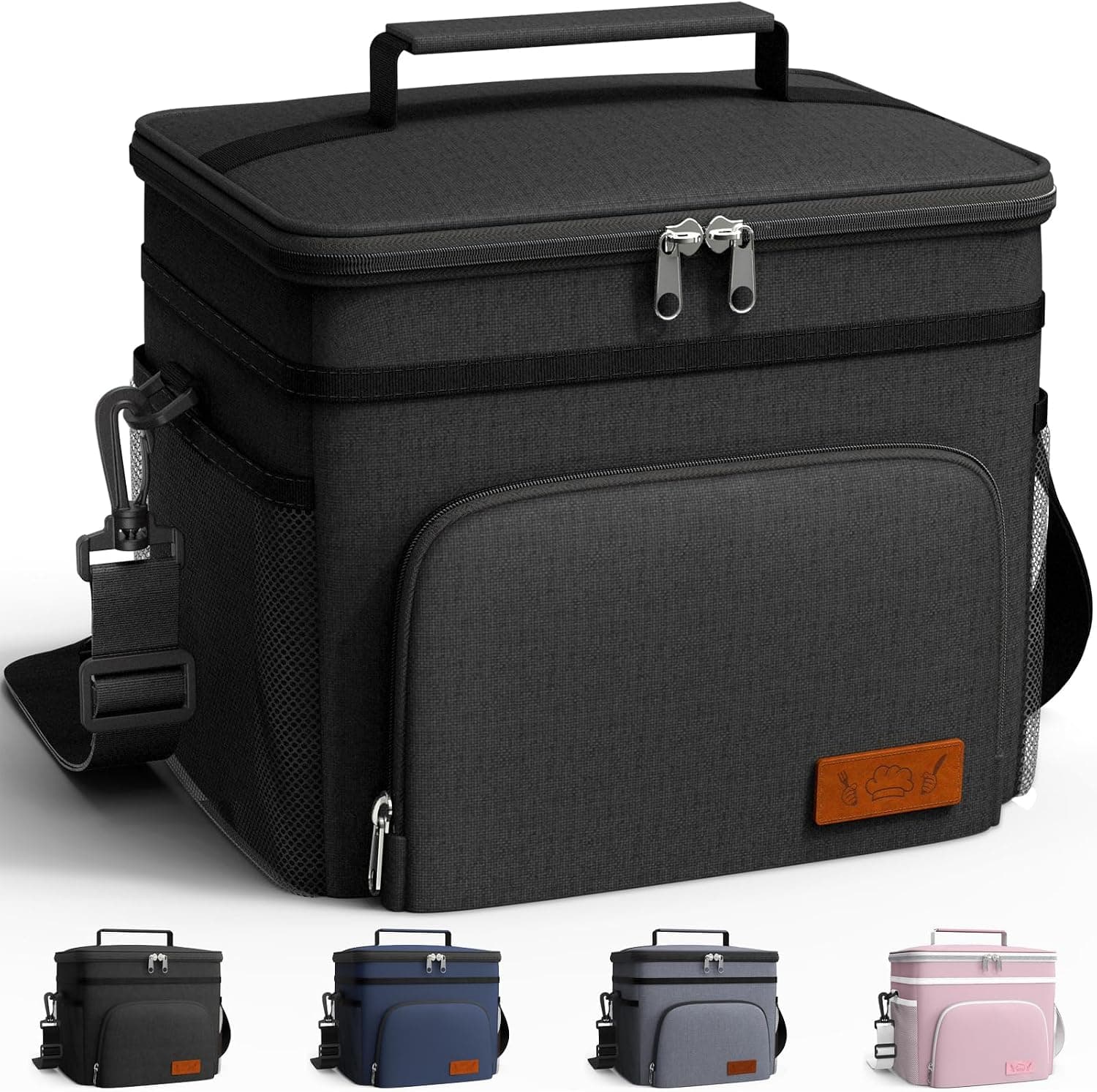
Perishable foods such as meat, dairy, eggs and cut fruit should stay cold until lunchtime. Pack them in an insulated lunch box with at least two frozen ice packs, and chill the lunch box contents in the fridge overnight.
A frozen water bottle or frozen yogurt tube can double as an ice pack and will be thawed enough to enjoy by lunch. Avoid packing lunches that sit in a warm backpack without any cold source.
Warm lunches in a thermos
An insulated food jar keeps soup, pasta, chilli and leftovers warm until lunch. Preheat it by filling it with boiling water for a few minutes, empty it, then add food heated until steaming hot.
Fill the thermos close to the top, since a full jar holds heat longer. Include a spoon or fork and pack napkins in the lunch bag.
Containers that make packing faster
Bento-style boxes with compartments let you pack a varied lunch without lots of small bags and keep foods from mixing. Look for lids that are easy for small hands to open and closures that do not leak.
Keep a packing station in one fridge drawer and one pantry basket with prepped items, snack containers and reusable bags. With everything in one place, older kids can pack their own lunches while you supervise.
Products from this article
The highest-scoring picks from the buying guides mentioned above. Scores are our editorial assessment, not customer ratings.
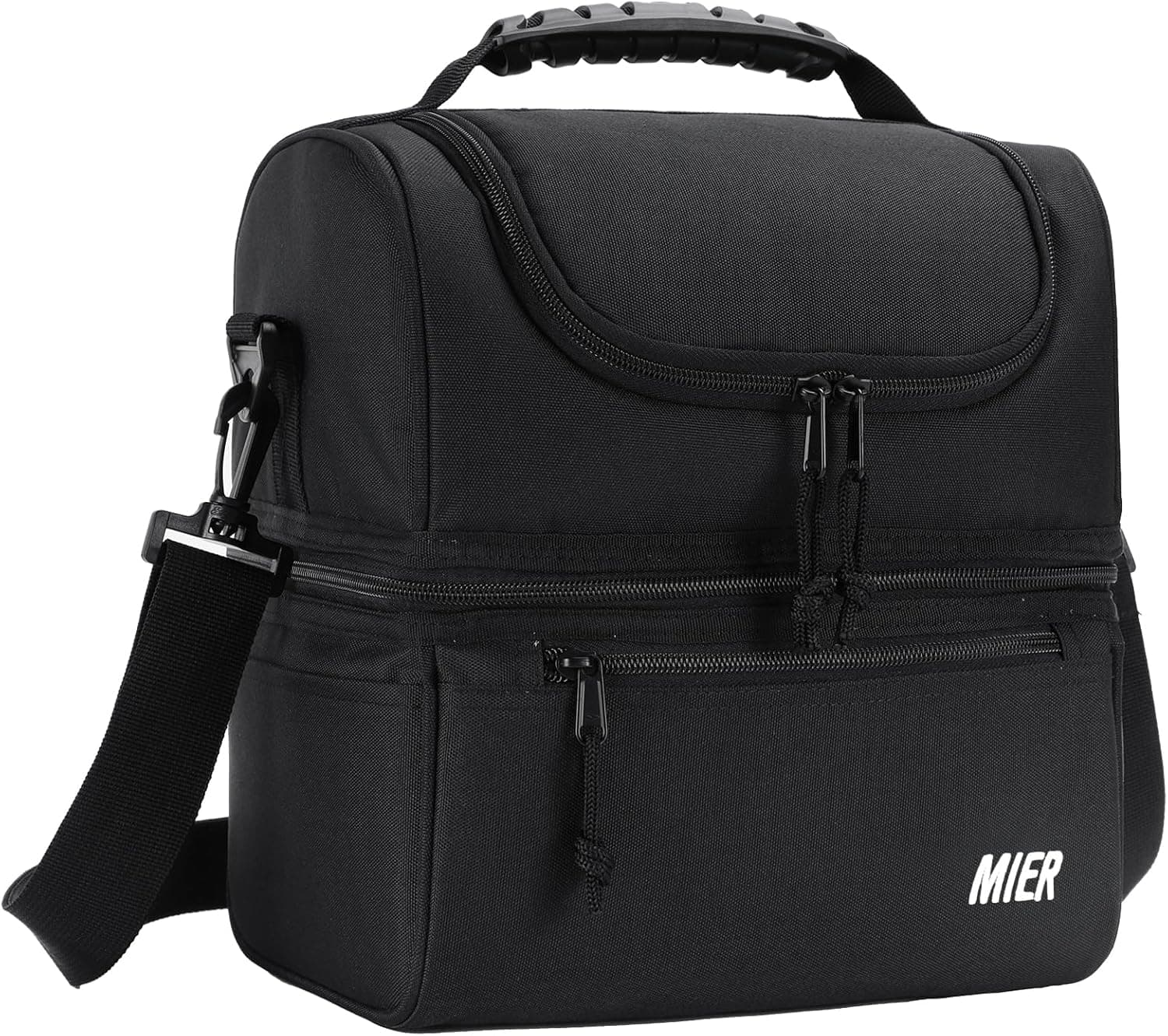
+ Double deck layout separates hot and cold meals
From our guide: Best Insulated Lunch Boxes for Meal Prep
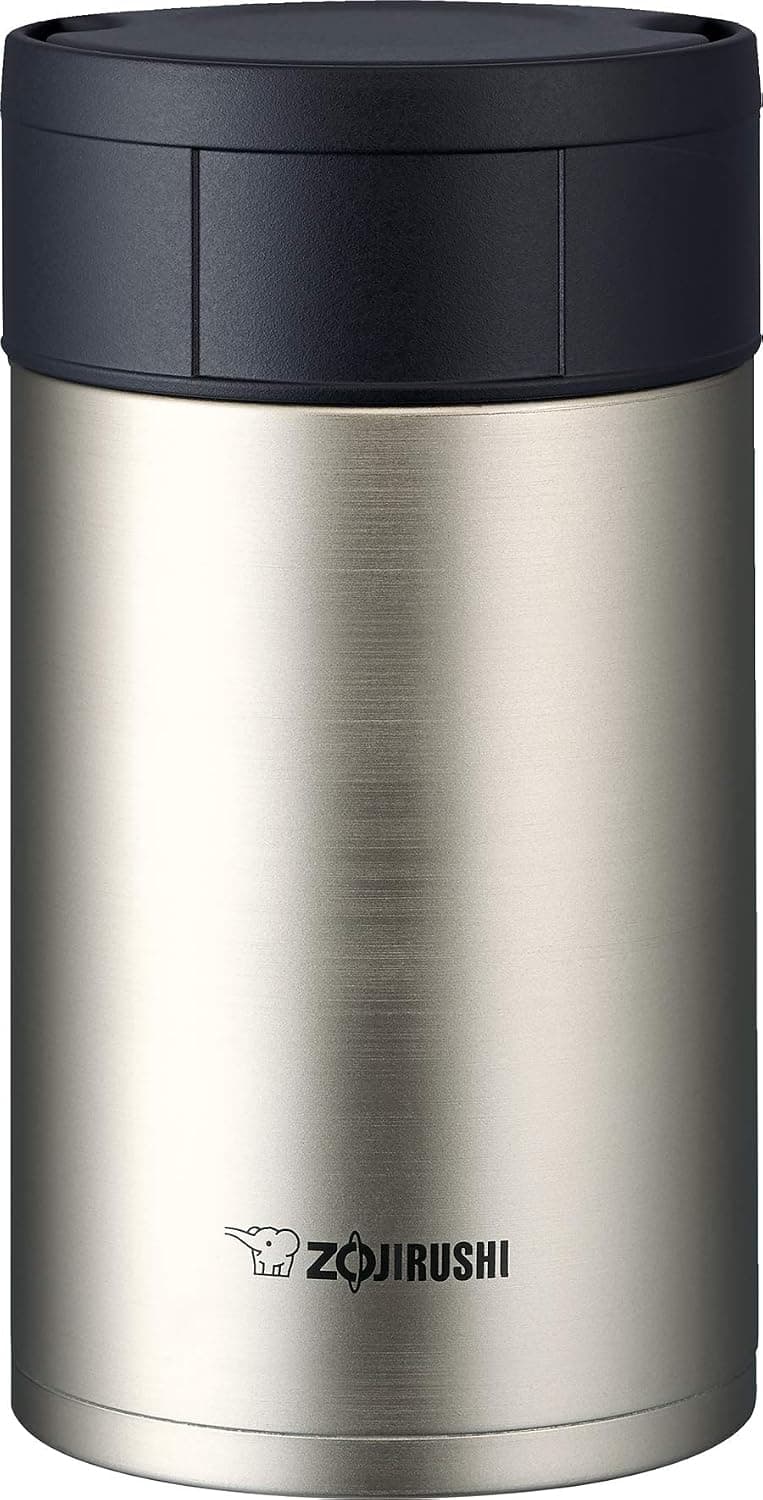
+ Zojirushi vacuum insulation is highly regarded for heat retention
From our guide: Best Food Thermoses for Meal Prep
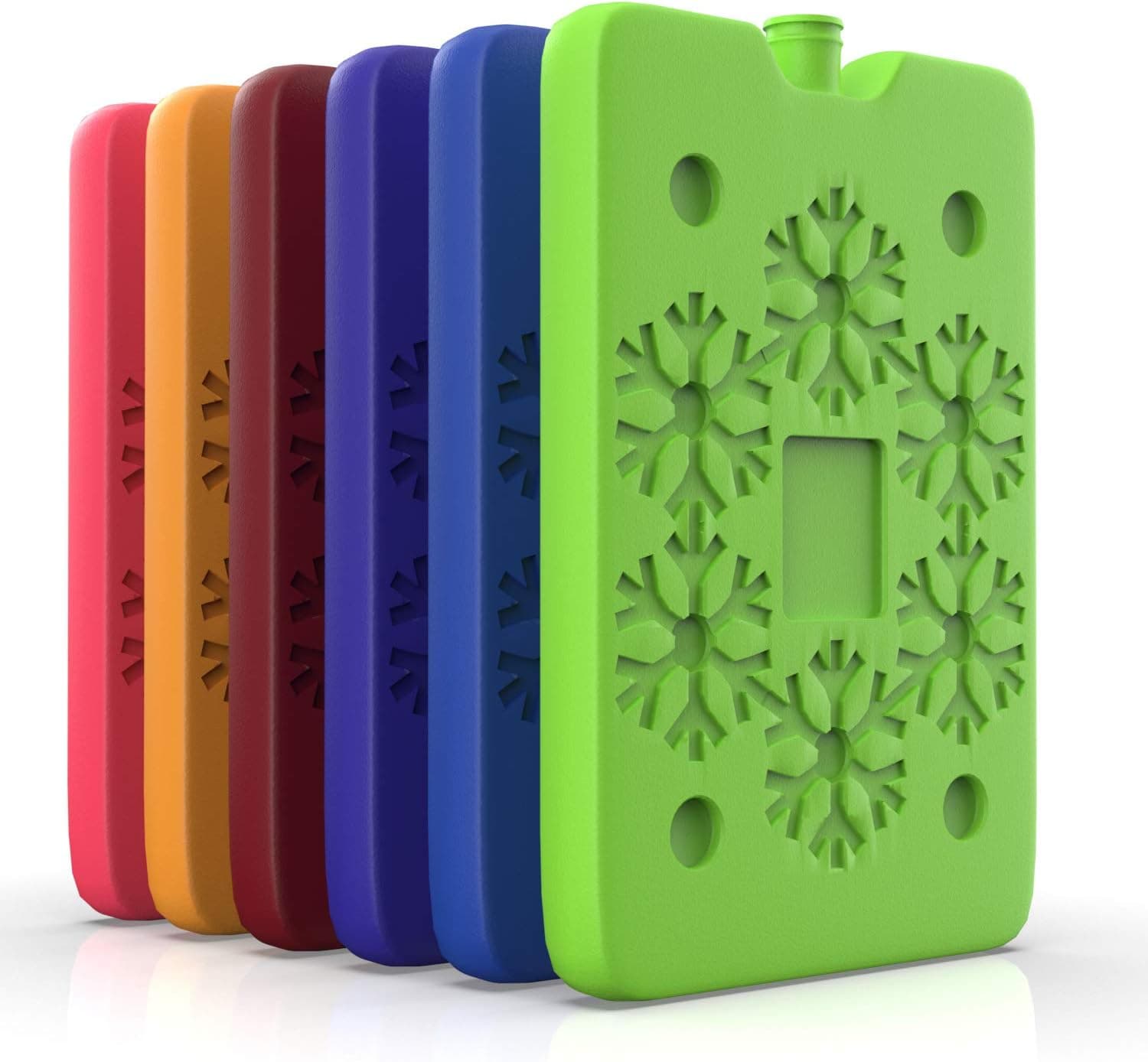
+ Compact size fits small lunch boxes and bento bags
From our guide: Best Reusable Ice Packs for Meal Prep
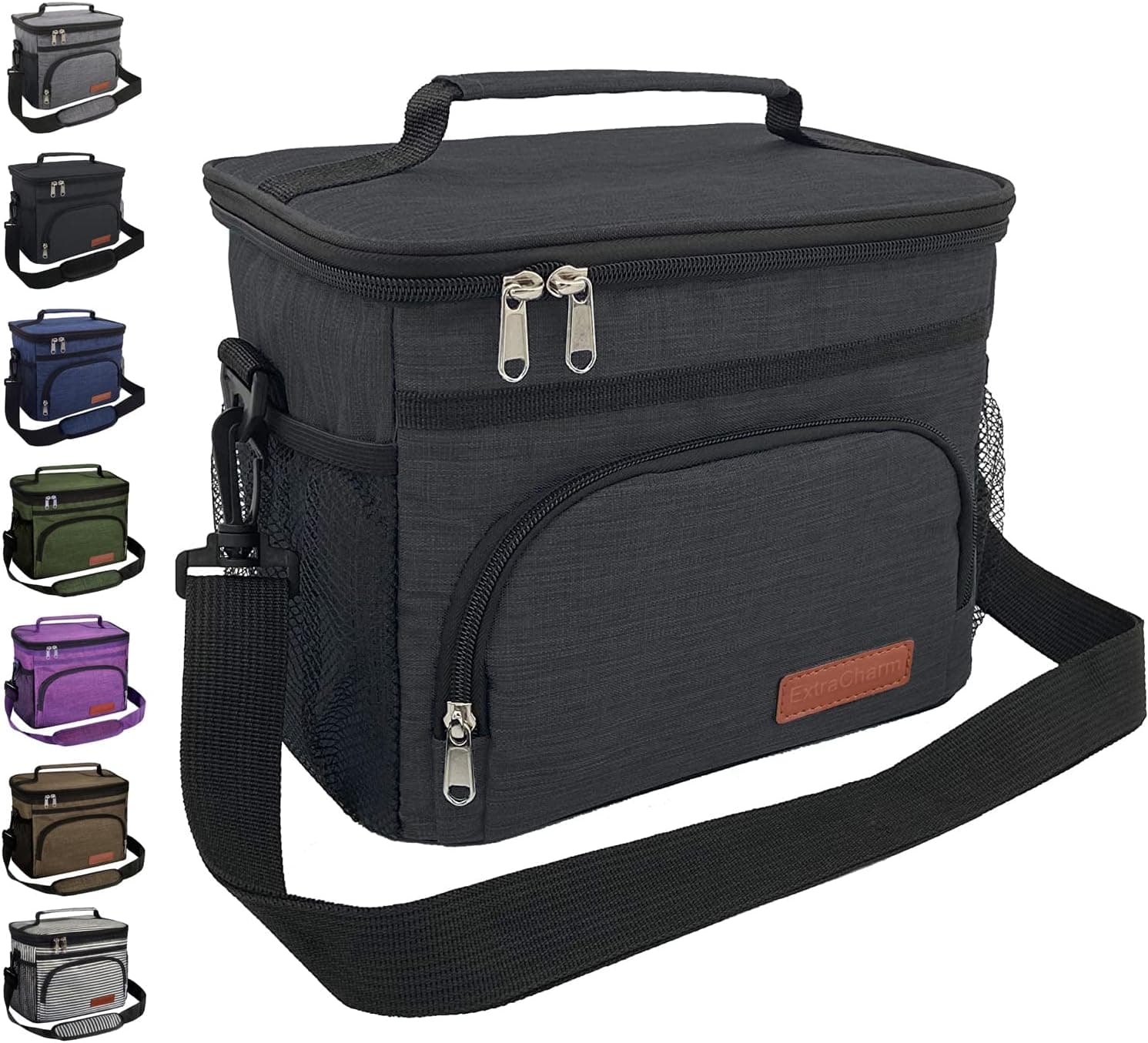
+ 4 pockets organize utensils, snacks and phone
From our guide: Best Insulated Lunch Boxes for Meal Prep
Popular right now
- Meal Prep Container Size ChartArticle
- Best Insulated Lunch Boxes for Meal PrepBuying guide
- Best Lunch Bags for Meal PrepBuying guide
- Best Salad ContainersBuying guide
- Batch Cooking ChickenArticle
- The Best Foods for Meal Prep That Actually Hold UpArticle
Based on the last 28 days of search and visitor data.