Batch Cooking Basics
Published How we research
Batch cooking is the engine behind efficient meal prep. Instead of cooking a single portion at a time, you make a large quantity of a few core components and use them across many meals. Cook a big pot of rice, roast several trays of vegetables, and prepare a couple of proteins, and suddenly you have the building blocks for days of different plates. The efficiency comes from doing each task once at scale.
Products from this article
The highest-scoring picks from the buying guides this article links to. Scores are our editorial assessment, not customer ratings.
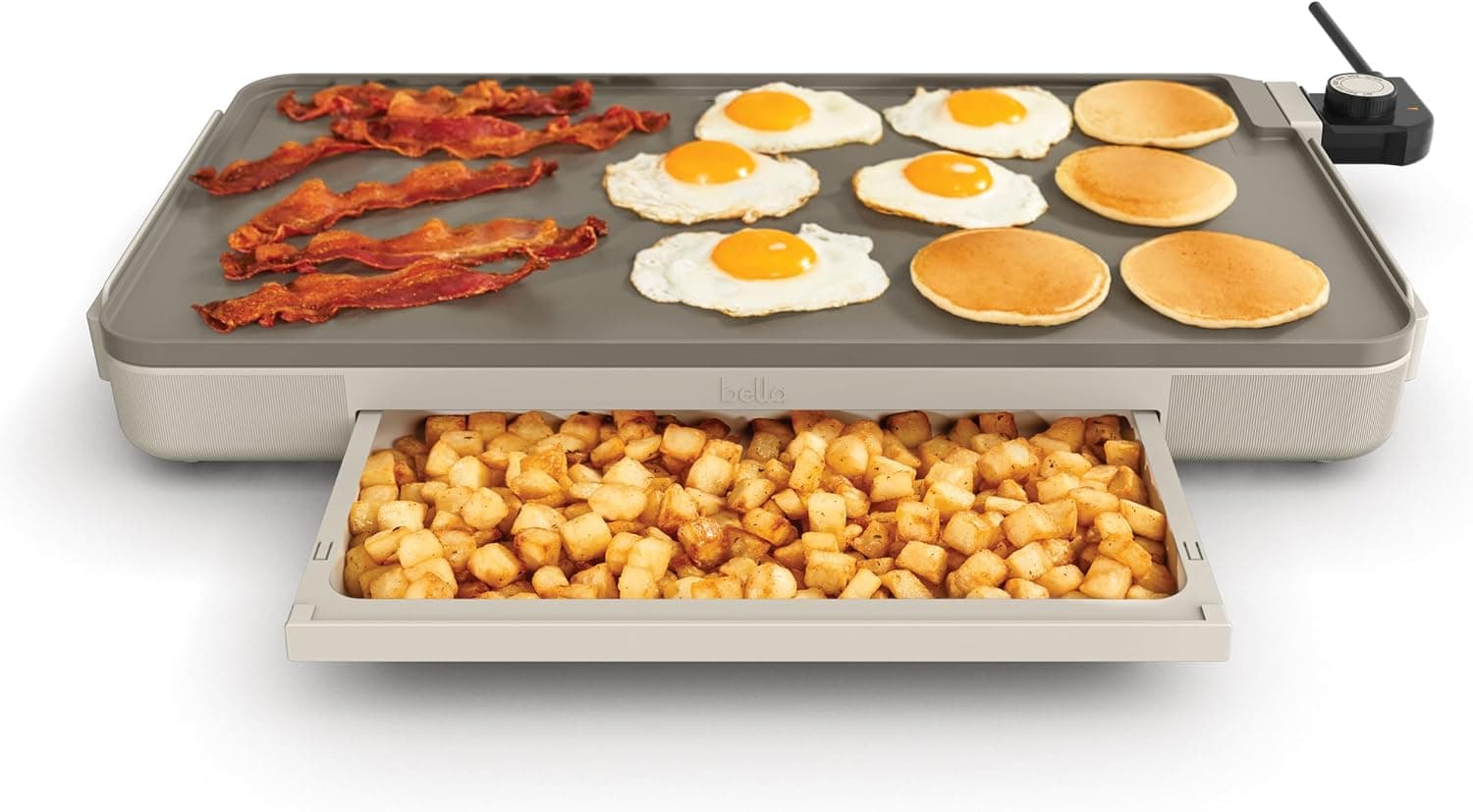
+ Warming tray keeps finished pancakes hot while you cook more
From our guide: Best Electric Griddles for Batch Meal Prep in 2026
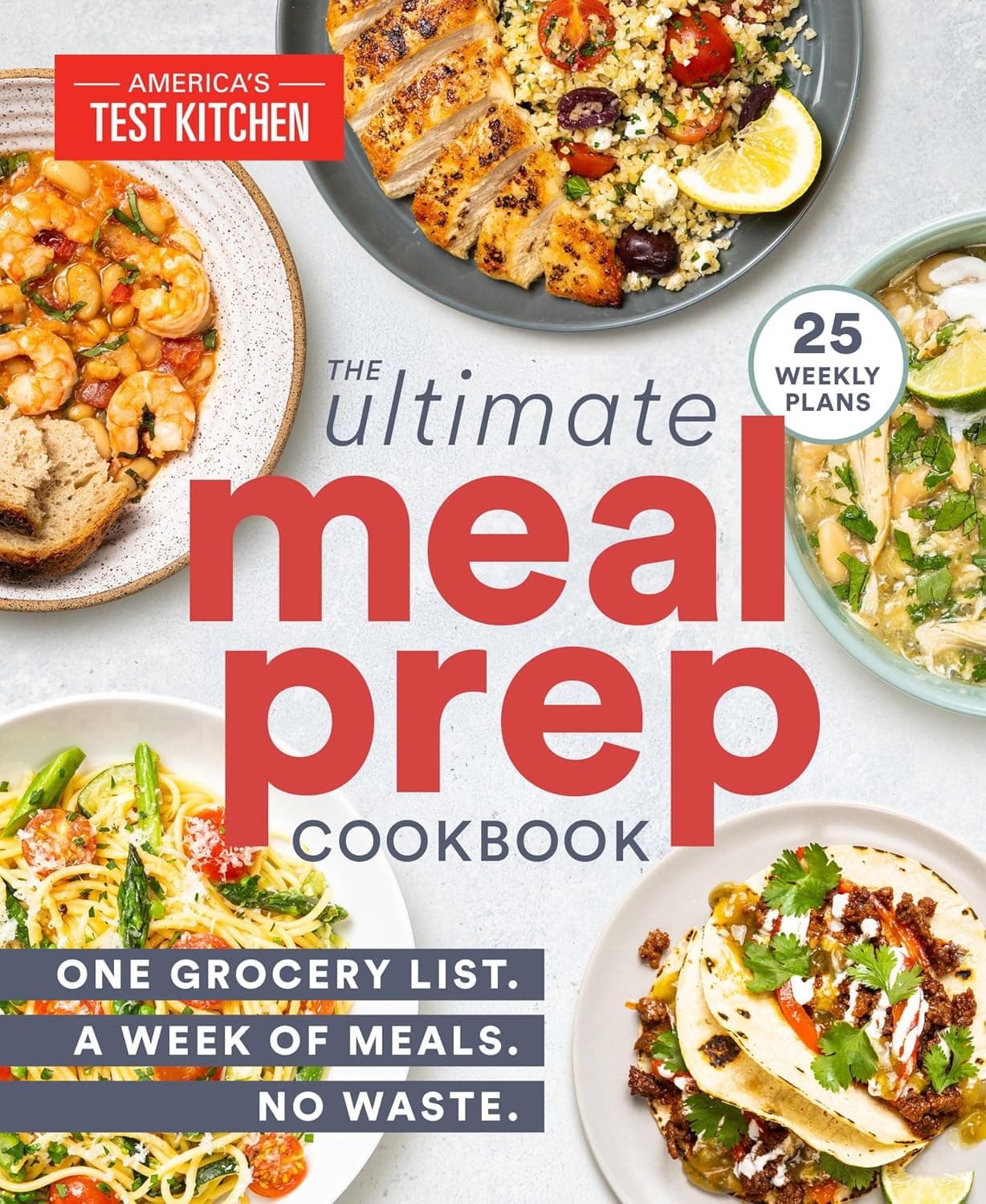
+ One grocery list approach simplifies weekly shopping
From our guide: Best Meal Prep Cookbooks
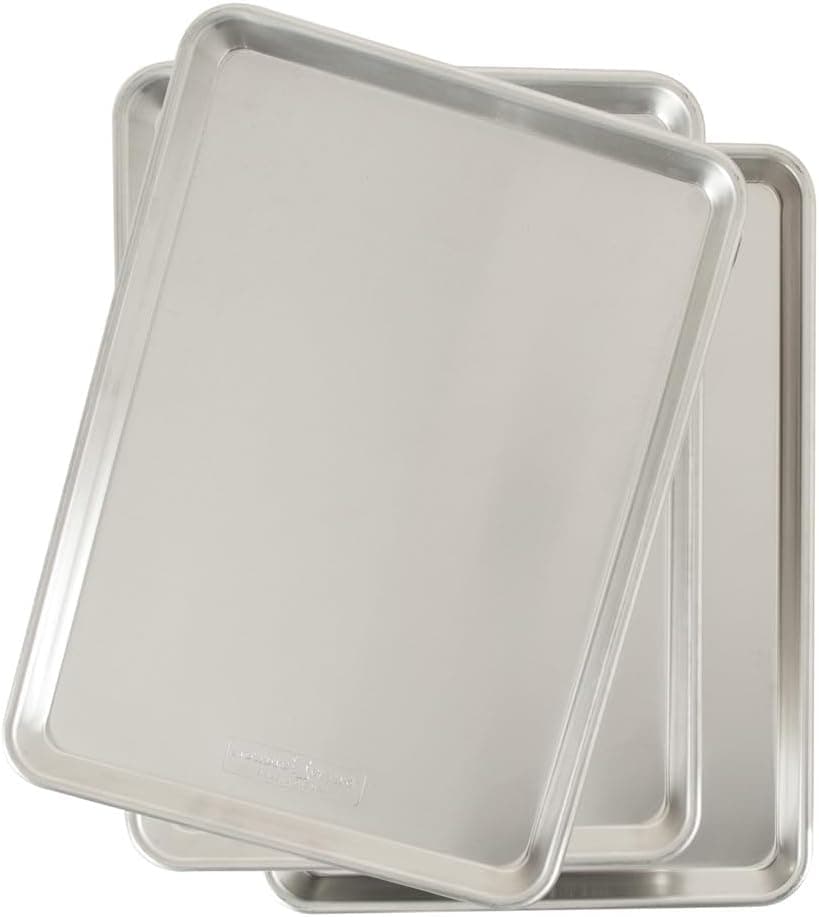
+ Three pans support big Sunday roasting sessions for the week
From our guide: Best Sheet Pans
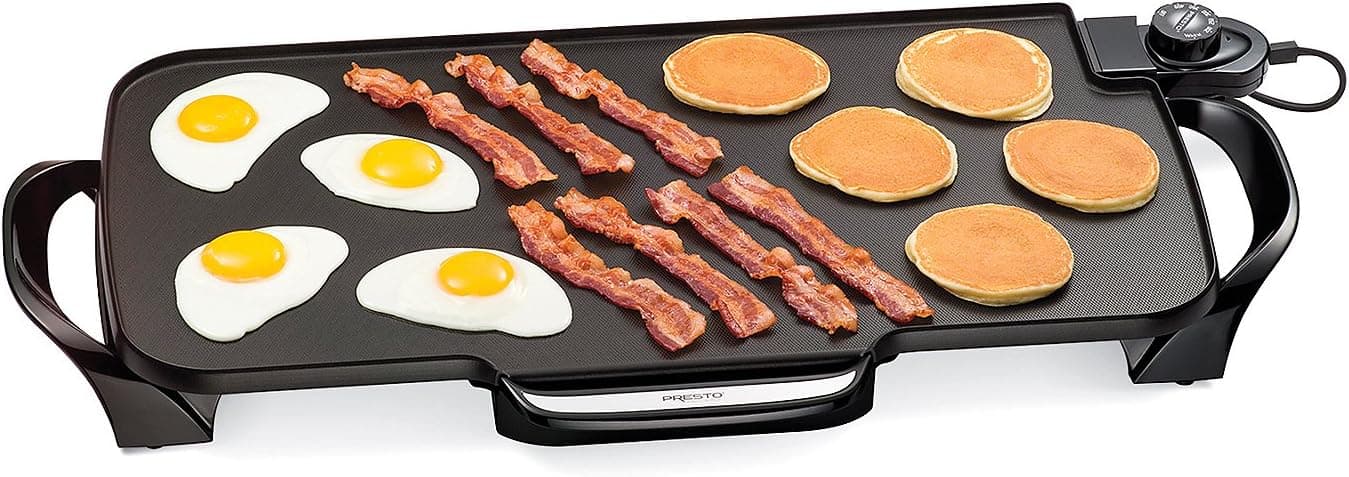
+ 22-Inch surface cooks pancakes, eggs and bacon in big batches
From our guide: Best Electric Griddles for Batch Meal Prep in 2026
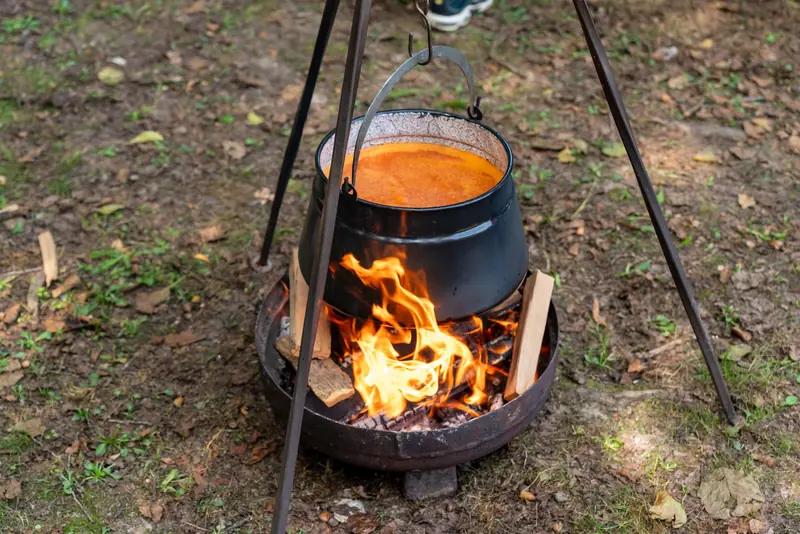
The key mindset shift is thinking in components rather than complete dishes. Rather than making three separate finished meals, you make versatile parts that mix and match. A batch of shredded chicken can become a rice bowl one day, a wrap the next, and a topping for a salad after that. This approach fights the biggest downside of prepping, which is boredom, because the same ingredients recombine into meals that feel different.
Efficiency lives in cooking things in parallel. Start with the oven, since roasting vegetables and baking proteins run hands-off while you work on everything else. Get grains simmering on one burner and a protein cooking on another. Use the downtime while things cook to chop, portion, and clean as you go. A well-sequenced batch session gets far more done in the same time than cooking one dish start to finish before beginning the next.
Scaling recipes takes a little care. Doubling or tripling ingredients is straightforward, but crowding a pan is not. Vegetables piled too high on a sheet pan steam instead of roasting and turn mushy, so spread them out and use multiple trays if needed. Larger pots of grains or stews may also need slightly longer cooking and more frequent stirring, so give bigger batches the attention they need rather than assuming everything simply multiplies.
Season components with flexibility in mind. If you spice a big batch of chicken very specifically, it only fits one flavor profile. Keeping core components more neutral and adding distinct sauces, spices, or toppings at serving time lets one batch stretch across cuisines. A plain roasted vegetable can go into an Italian-style bowl one day and a spiced grain bowl the next, just by changing what you add at the end.
Once cooked, cool everything and store it strategically. Portion some into complete meals for grab-and-go convenience, and keep some components stored separately so you can assemble fresh plates through the week. Label with dates, refrigerate what you will eat in the next few days, and freeze the rest. Master this rhythm and a single cooking session, often just a couple of hours, genuinely covers most of your meals for the week.
Popular right now
- Meal Prep Container Size ChartArticle
- Best Lunch Bags for Meal PrepBuying guide
- Best Insulated Lunch Boxes for Meal PrepBuying guide
- Best Glass Meal Prep ContainersBuying guide
- Freezer burn explainedGlossary
- Safe reheating temperature explainedGlossary
Based on the last 28 days of search and visitor data.