The Best Meal Prep Containers Guide
Published How we research
The container you choose does more work than any recipe in your meal prep routine, because it decides whether your food survives the fridge, the microwave, and your commute. A great container makes prepped meals feel appealing days later. A bad one leaks in your bag, stains permanently, or warps in the dishwasher until the lid no longer seals. Before you buy a set, it helps to know what actually separates the workhorses from the ones you will quietly retire after a month.
The first decision is glass versus plastic, and both have a real case. Glass containers resist stains and odors, go safely from freezer to oven, and never leave you wondering about chemicals leaching into hot food. The trade-off is weight and fragility, which matters if you carry meals to work. Plastic is light, cheap, and shatterproof, ideal for commuting and for a large collection, but the good ones should be labeled dishwasher and microwave safe, and even those can stain from tomato sauces and curry over time.
Compartments are worth thinking about based on how you eat. Single-compartment containers are the most flexible for soups, stews, grain bowls, and anything you want to mix. Divided containers keep components separate, which is perfect for meals where you do not want the sauce soaking into the rice or the salad wilting against a warm protein. Many people end up owning both, a stack of plain containers for saucy dishes and a set of divided ones for plated-style meals with distinct parts.
Lids are the unsung hero, and they fail more often than the containers themselves. Look for lids with a silicone gasket and locking tabs if you need genuine leak resistance for a bag. Snap-on lids are fine for fridge storage but rarely survive a tipped-over commute. A hidden benefit of a good set is lid interchangeability, where one lid style fits several base sizes, which cuts down on the maddening drawer of orphaned lids that never match anything.
Sizing and stackability affect your daily life more than you would expect. Containers that nest when empty and stack neatly when full keep your cupboards and fridge sane. For portioning, a set with a couple of consistent sizes, roughly a two-cup and a four-cup, covers most single-serving meals. Buying one uniform system rather than a mismatched collection means everything stacks, seals, and stores together, which is a small pleasure you notice every single day.
Finally, match the material to how you reheat. If you microwave straight from the container, avoid thin plastics that warp and prefer glass or sturdy microwave-safe plastic, and always vent the lid so steam escapes. If you batch cook and freeze, confirm the set is freezer safe so it does not crack in the cold. The best container is not the fanciest one, it is the one that fits your routine so well that using it never becomes a reason to skip prepping at all.
Products from this article
The highest-scoring picks from the buying guides mentioned above. Scores are our editorial assessment, not customer ratings.
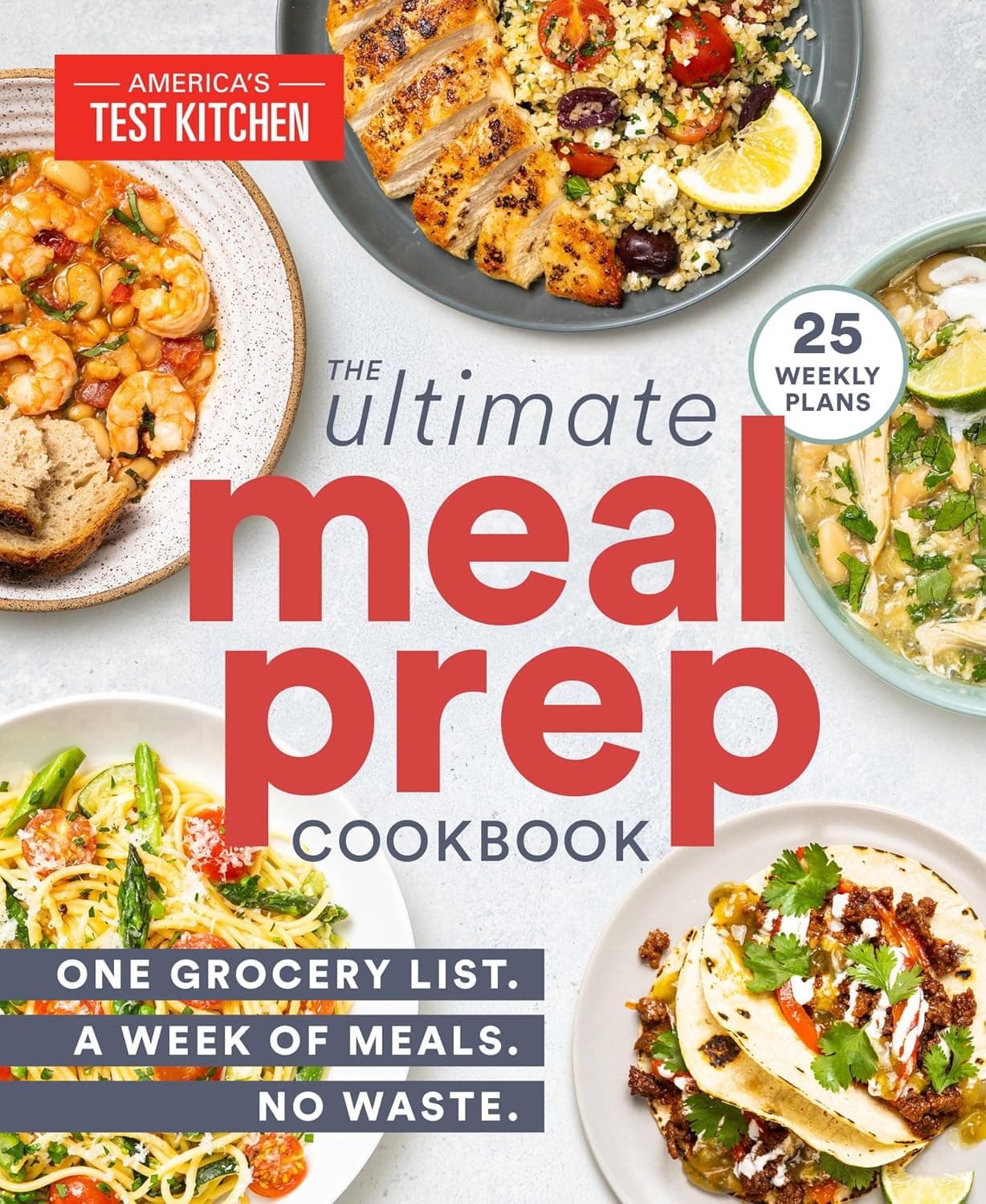
+ One grocery list approach simplifies weekly shopping
From our guide: Best Meal Prep Cookbooks
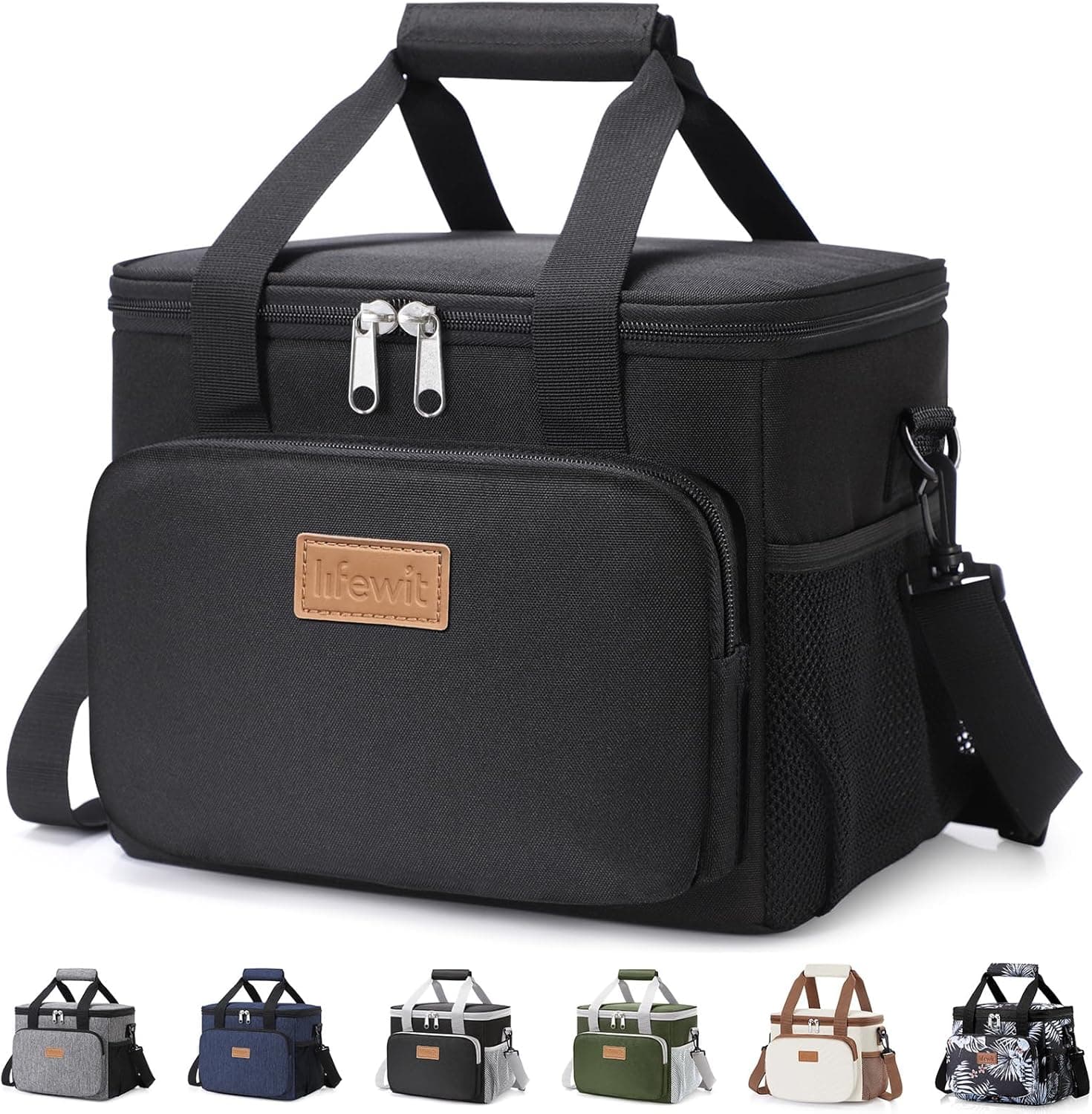
+ 12-Can (9L) capacity balances space with portability
From our guide: Best Lunch Bags for Meal Prep
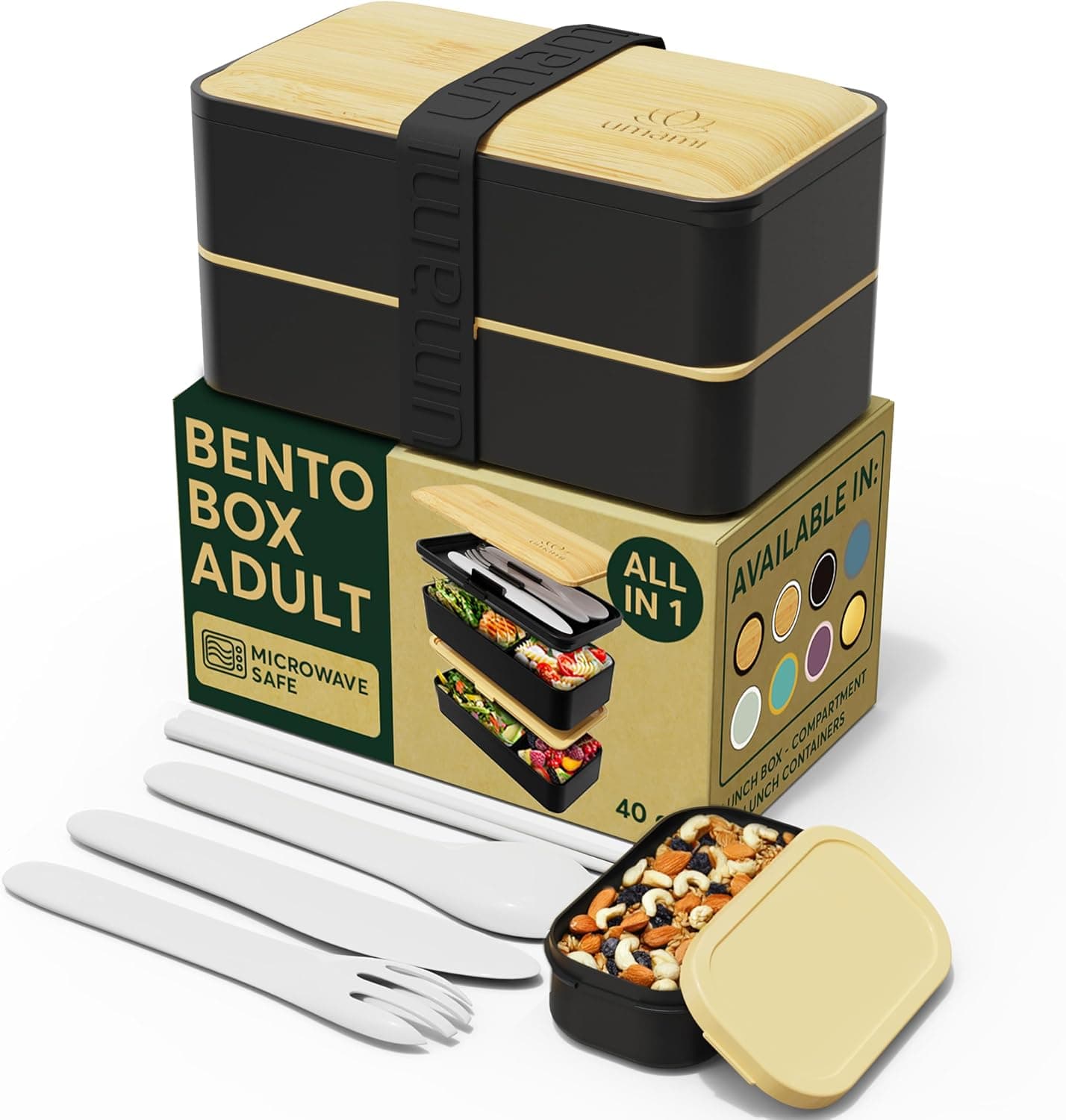
+ Sauce jar keeps dressings and dips separate until mealtime
From our guide: Best Bento Boxes
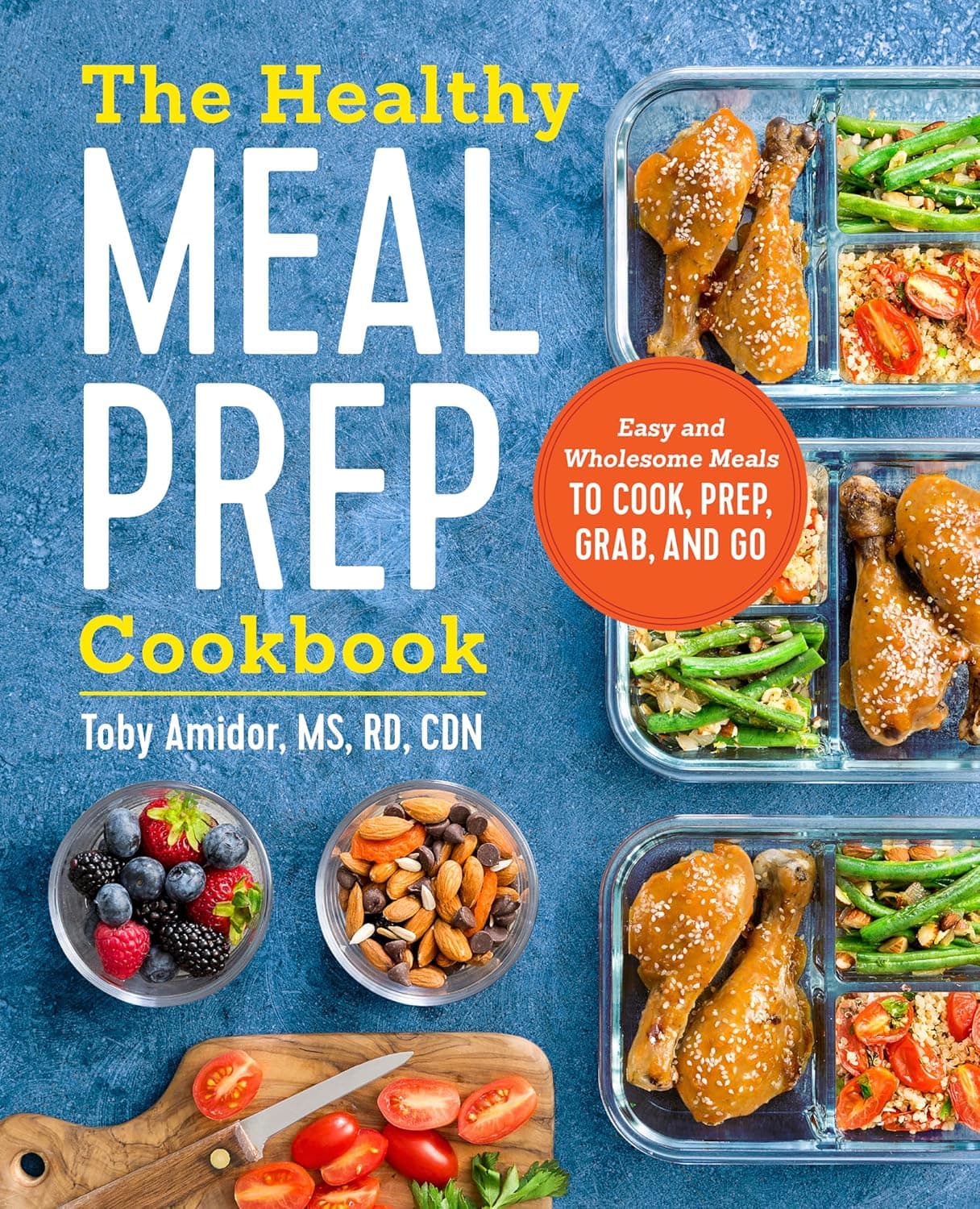
+ Toby Amidor is a registered dietitian and cookbook author
From our guide: Best Meal Prep Cookbooks
Popular right now
- Meal Prep Container Size ChartArticle
- Best Insulated Lunch Boxes for Meal PrepBuying guide
- Best Lunch Bags for Meal PrepBuying guide
- Best Salad ContainersBuying guide
- Batch Cooking ChickenArticle
- The Best Foods for Meal Prep That Actually Hold UpArticle
Based on the last 28 days of search and visitor data.