Reheating Tips
Published How we research
A great prepped meal can be undone in ninety seconds of careless reheating. Rubbery chicken, gummy rice, a lukewarm center, or soggy vegetables are almost always reheating failures rather than cooking ones. The good news is that warming food back up well is a learnable skill, and a few small adjustments make day-four leftovers taste remarkably close to freshly made. It mostly comes down to choosing the right method and adding back the moisture that storage takes away.
Products from this article
The highest-scoring picks from the buying guides this article links to. Scores are our editorial assessment, not customer ratings.
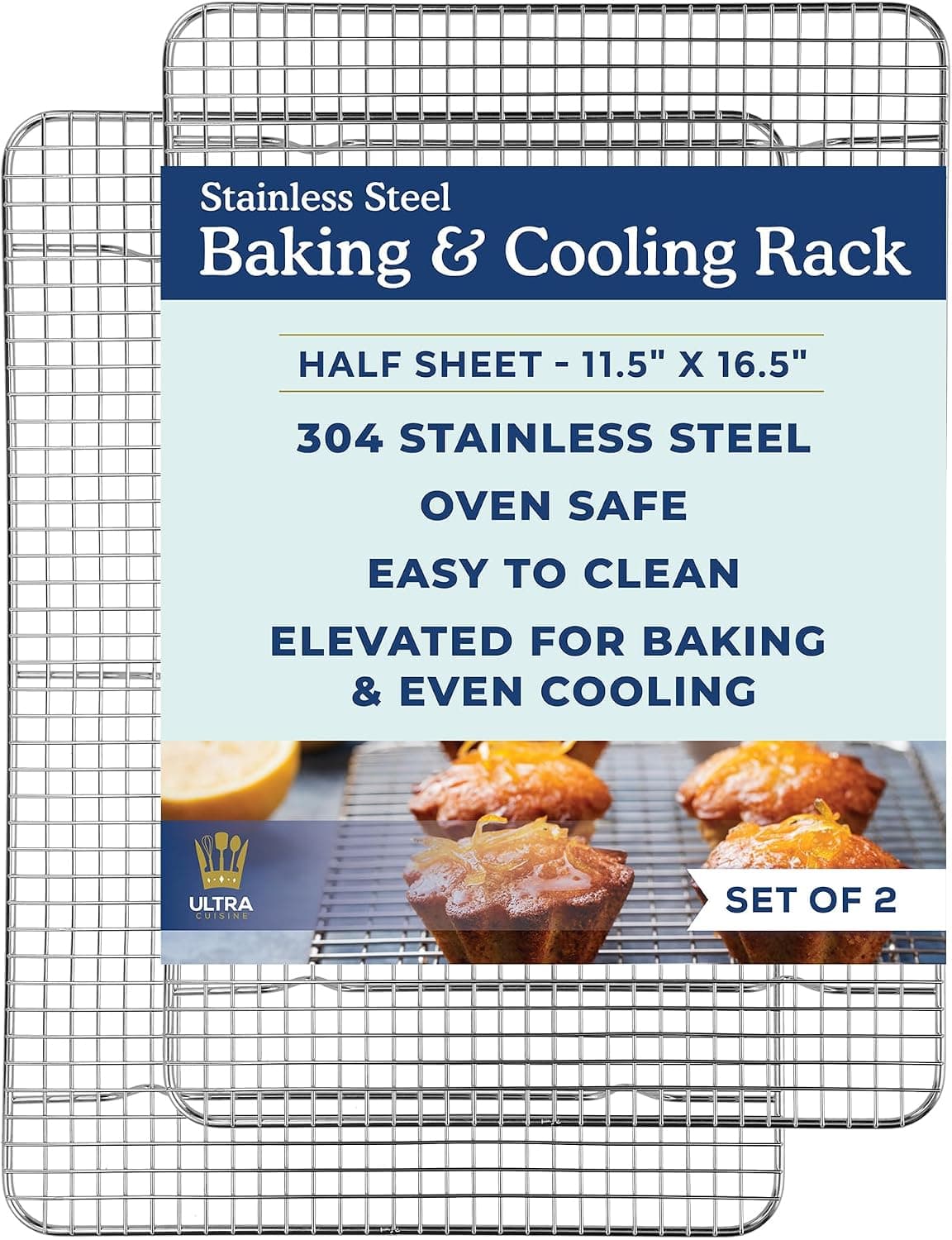
+ 100% stainless steel is oven safe for roasting on a raised rack
From our guide: Best Cooling Racks
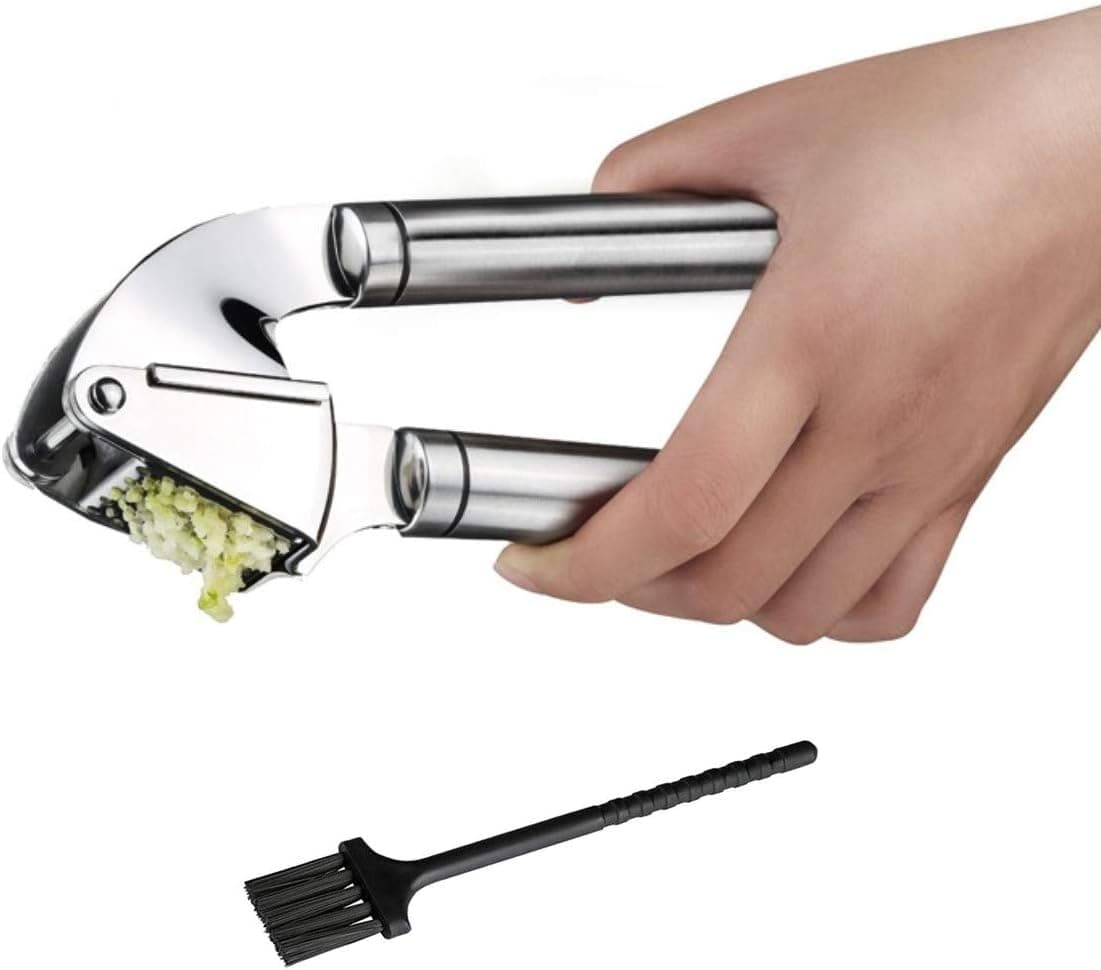
+ 18/10 stainless steel resists rust and garlic odor buildup
From our guide: Best Garlic Presses for Meal Prep
+ One grocery list approach simplifies weekly shopping
From our guide: Best Meal Prep Cookbooks
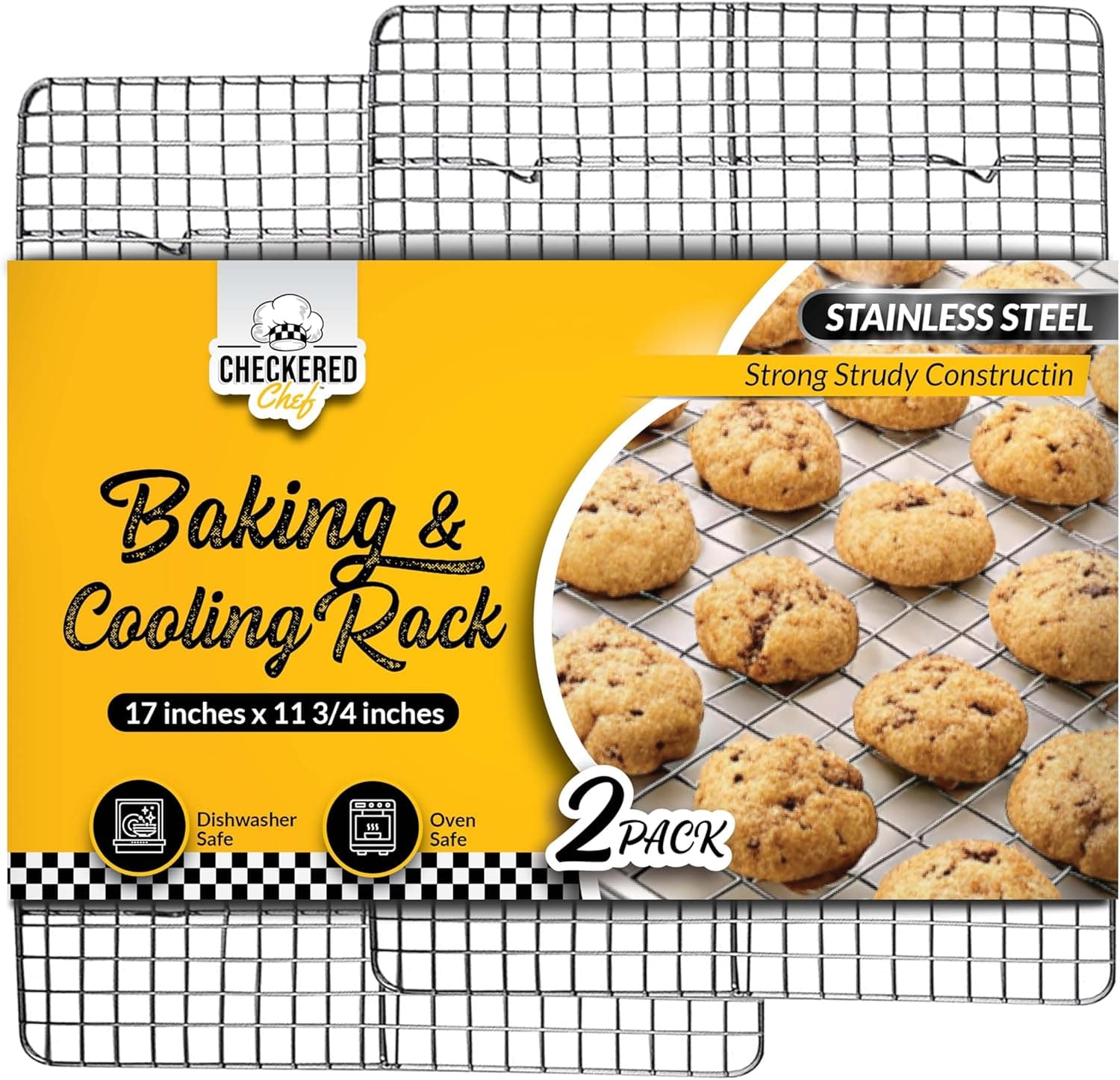
+ Full-size racks fit half sheet pans for oven roasted proteins
From our guide: Best Cooling Racks

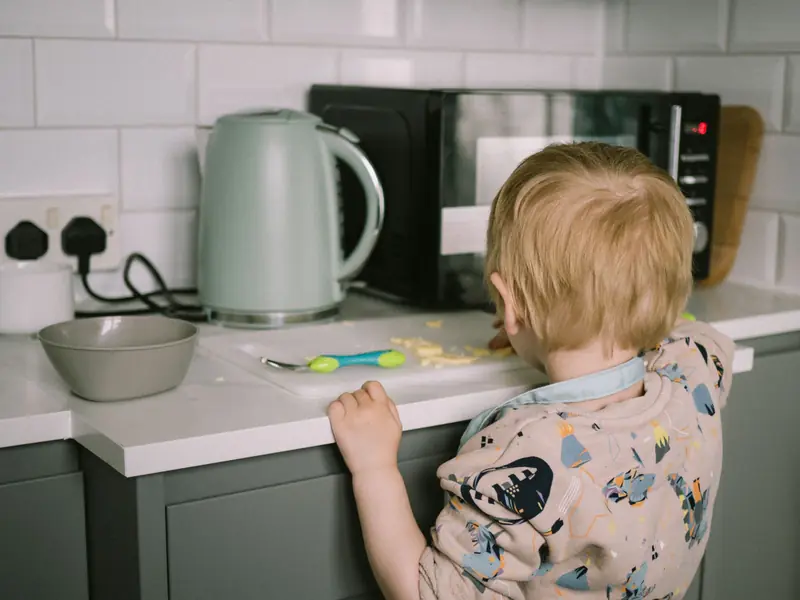
The microwave is fast and convenient, but it heats unevenly, which is why so many reheated meals have hot edges and a cold middle. The fixes are simple. Spread food out rather than piling it in a mound, so it heats through more evenly, and stir or rotate the dish partway through. Cover it loosely to trap steam, which warms the food gently and prevents drying, and use medium power for delicate items like proteins so the outside does not toughen while the center catches up.
Moisture is the single biggest lever for good reheating, because refrigeration dries food out. A tablespoon of water or broth sprinkled over rice, pasta, or chicken before reheating creates steam that revives the texture. A damp paper towel laid over a plate does the same job in the microwave. For meats especially, this small addition is the difference between juicy and jerky, so get in the habit of adding a splash of liquid to anything that tends to dry.
Sometimes the microwave is the wrong tool entirely. Anything you want crisp, roasted vegetables, breaded items, pizza, or fries, should go in an oven, toaster oven, or air fryer, which restore crunch that the microwave will only turn soft and rubbery. The stovetop is ideal for saucy dishes, soups, and stir-fries, where gentle heat and a little stirring bring everything back to life evenly. Match the method to the food and the results jump dramatically.
Certain foods need special handling. Rice reheats best with a sprinkle of water and a cover to steam it back to fluffy. Delicate fish and eggs prefer low, gentle heat to avoid turning tough. Creamy sauces can separate if blasted too hard, so warm them slowly and stir. Leafy salads and fresh toppings should never be reheated at all, which is why keeping crisp components separate on prep day lets you add them fresh to a warmed base.
Do not forget the safety layer underneath all this technique. Reheat food until it is steaming hot throughout, aiming for 165 degrees Fahrenheit, since gentle warming that leaves cold spots can let bacteria survive. Stir to eliminate those cold pockets, and as a rule reheat a given portion only once rather than warming it repeatedly across several days. Master these habits and your prepped meals will reward the effort you put into making them, tasting fresh right down to the last container.
Popular right now
- Meal Prep Container Size ChartArticle
- Best Lunch Bags for Meal PrepBuying guide
- Best Insulated Lunch Boxes for Meal PrepBuying guide
- Best Glass Meal Prep ContainersBuying guide
- Freezer burn explainedGlossary
- Safe reheating temperature explainedGlossary
Based on the last 28 days of search and visitor data.